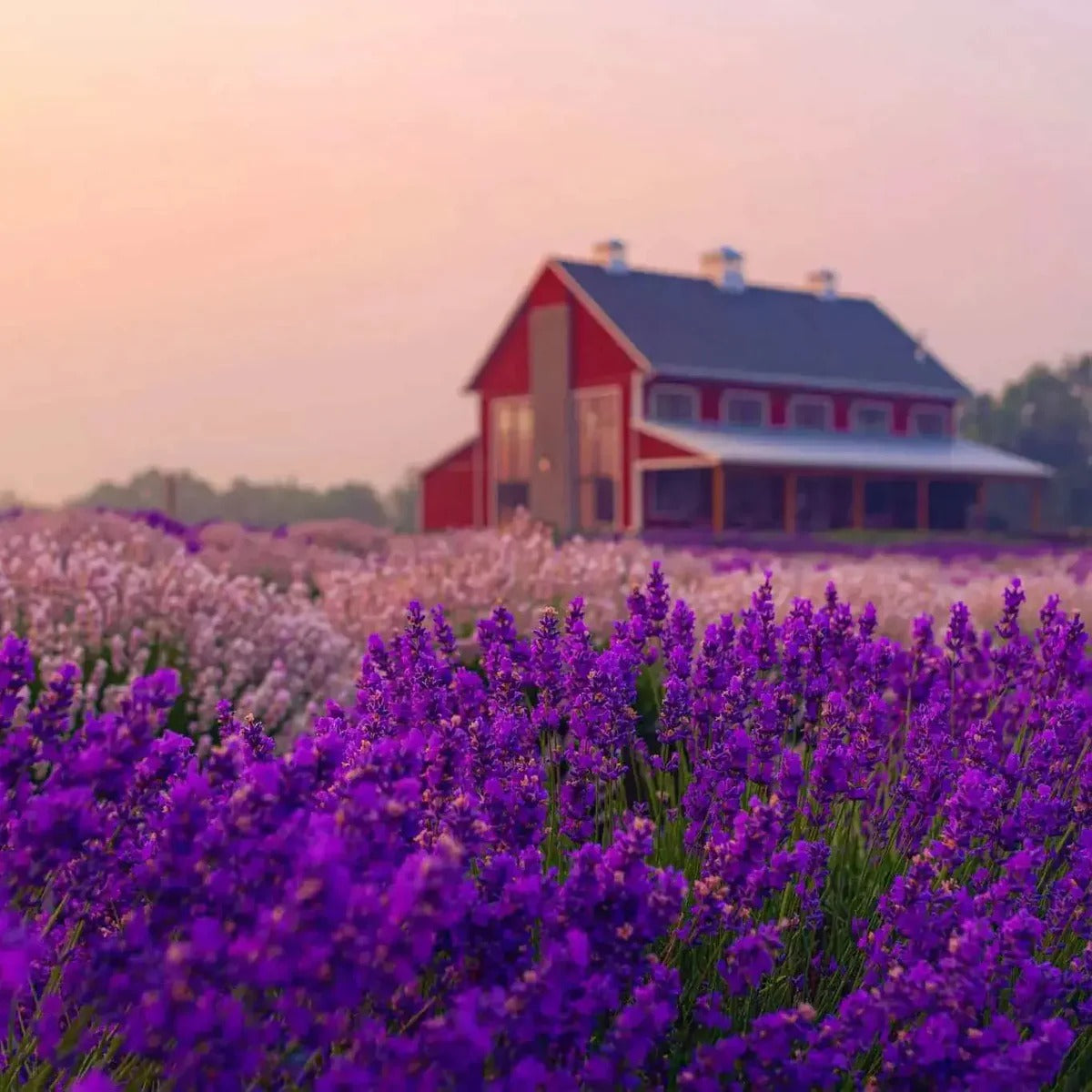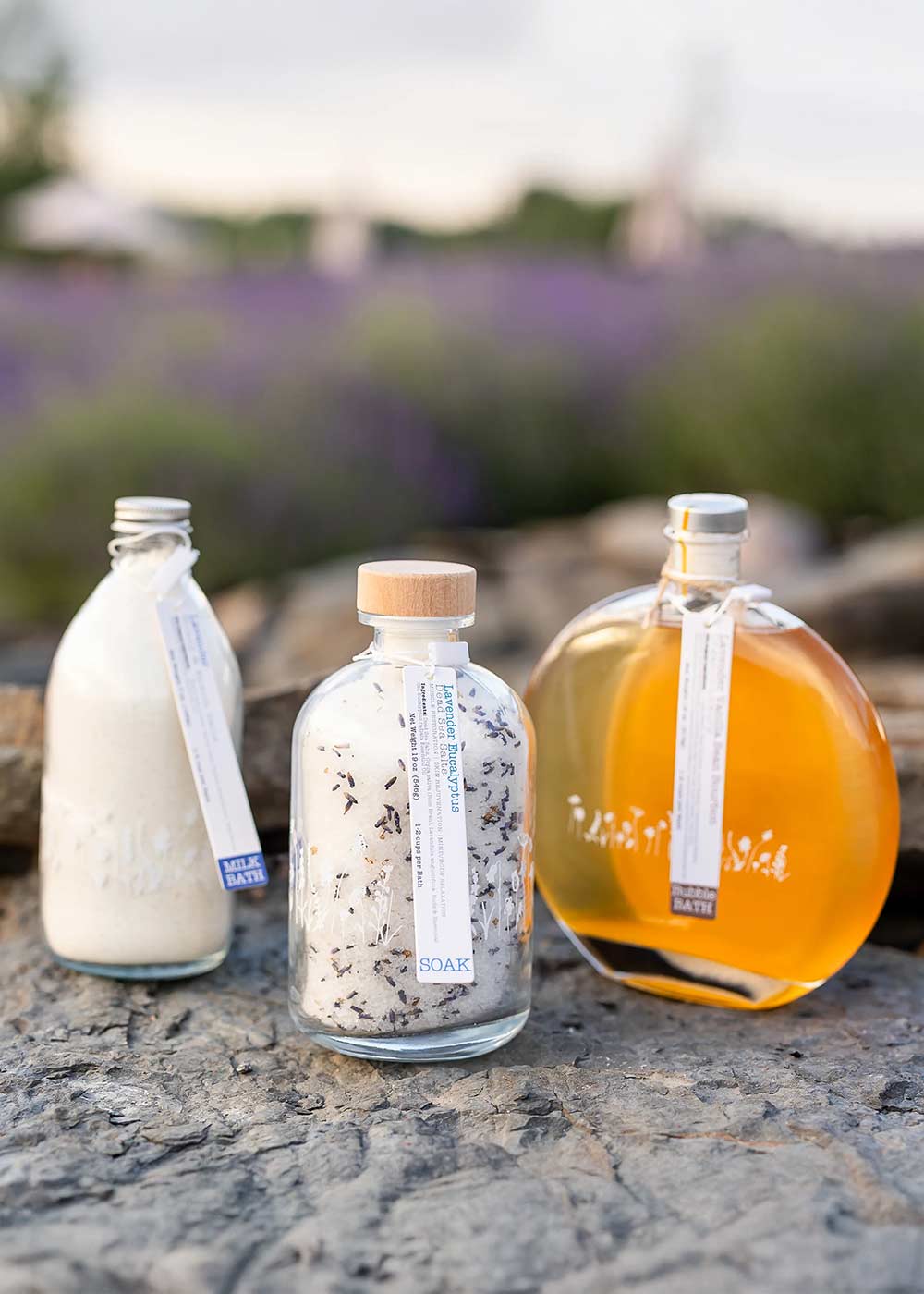

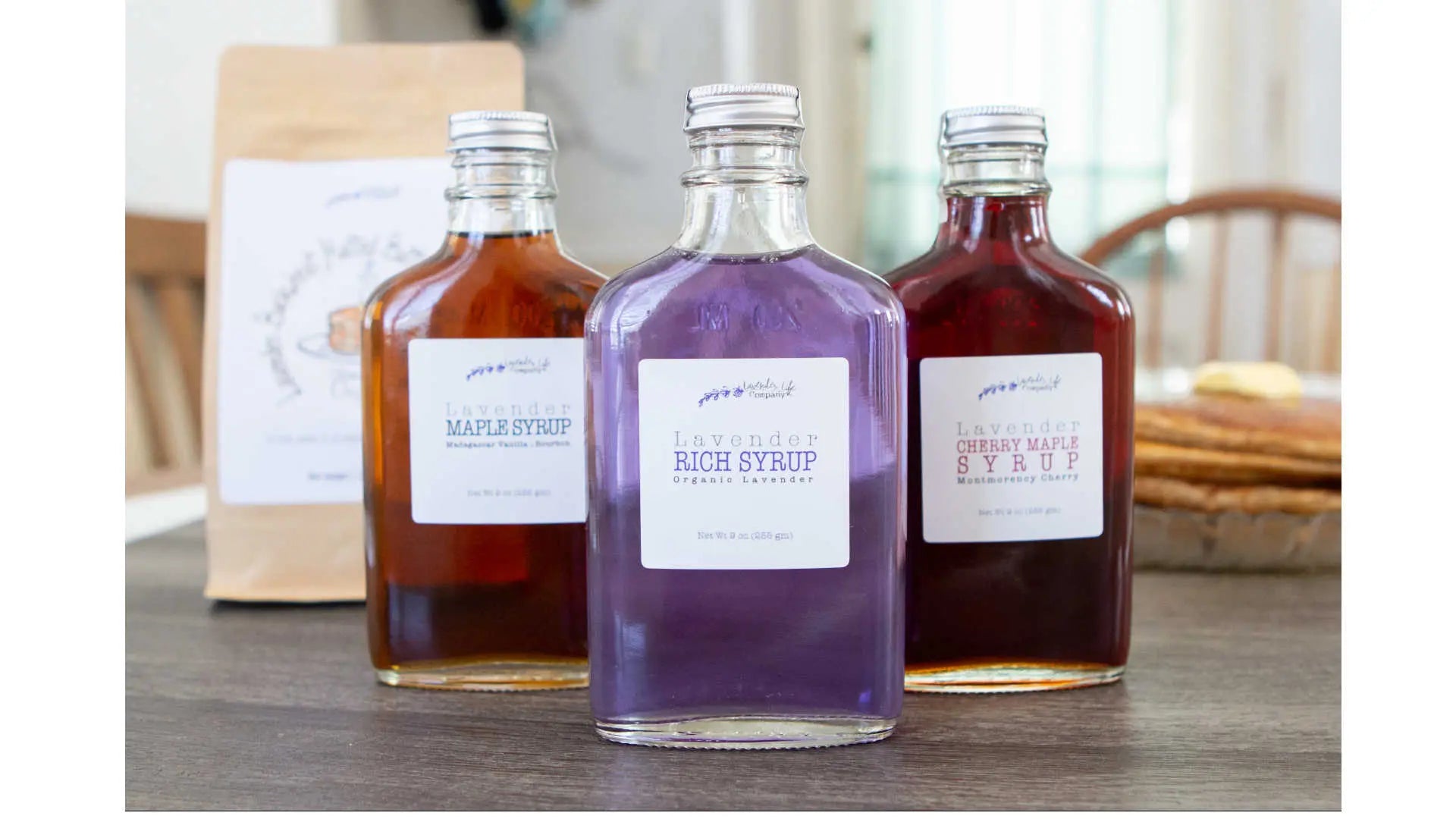
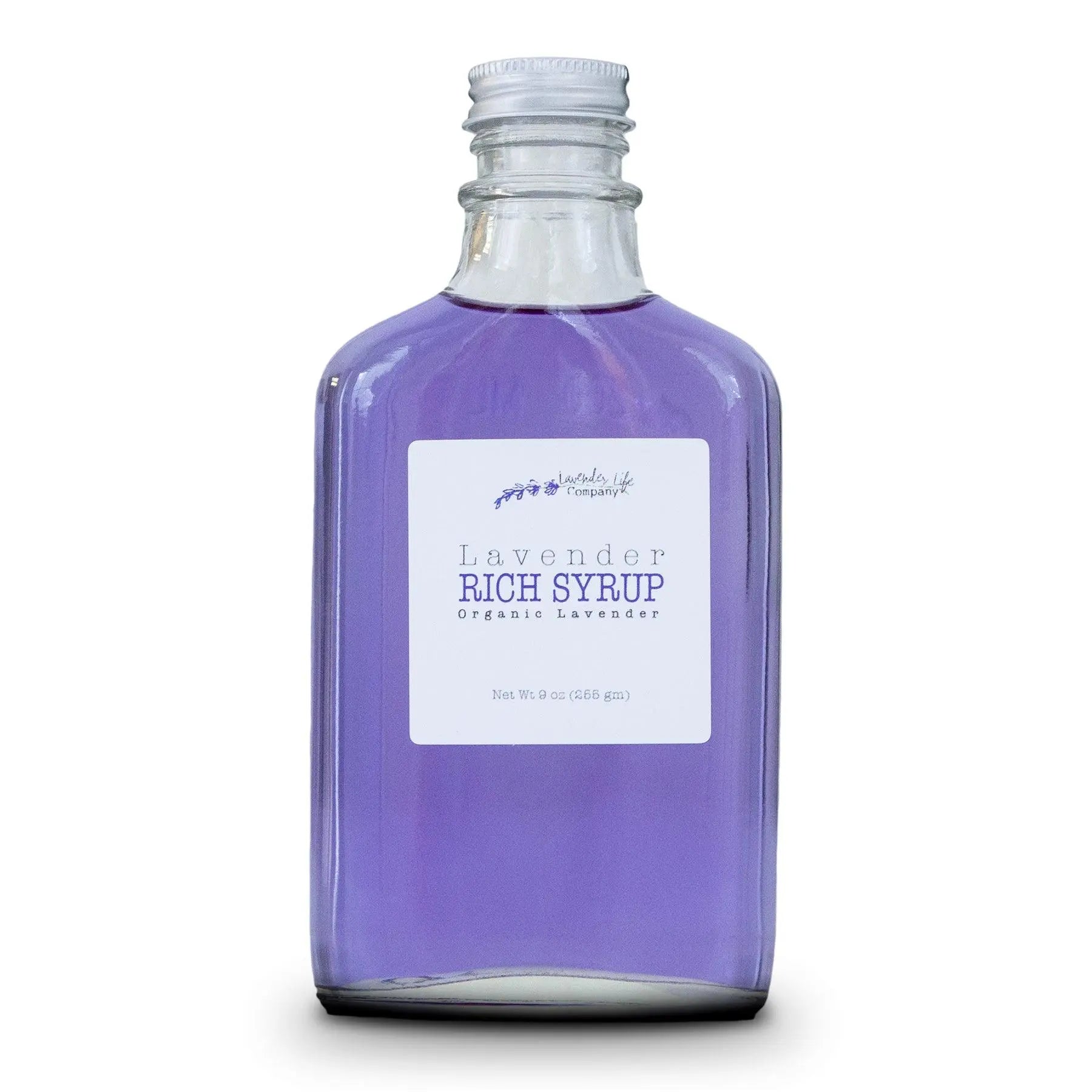







Have you ever dreamed of baking a batch of lavender shortbread or simmering a fragrant, lavender-infused syrup, only to pause with uncertainty? If the fear of your food tasting more like soap than a delicate floral treat has held you back, you are not alone. It’s a common worry, along with questions about which variety is safe to eat or how much is too much. We’re here to gently take the mystery out of cooking with this beautiful herb, showing you how simple and rewarding it is to use high-quality edible lavender flowers with confidence and joy.
From our Lavender Life Farm to your kitchen, this guide is your comforting companion. We’ll walk you through the simple secrets to choosing the right culinary lavender, preparing the buds, and perfectly balancing their flavor so they add a sophisticated, gentle warmth to your dishes-never overpowering them. Get ready to feel inspired and unlock a new layer of wholesome, delicious flavor in your everyday cooking and baking.
What Exactly Are Edible Lavender Flowers?
When you think of lavender, your mind might drift to fragrant soaps, soothing essential oils, or beautiful purple fields swaying in the Michigan breeze. But this beloved plant is so much more than a delightful scent-it’s also a wonderfully versatile herb with a long history in the kitchen. The most common question we hear is, “Can you actually eat it?” The answer is a joyful yes! When chosen with care, edible lavender flowers can add a touch of comfort and sophisticated flavor to your favorite dishes.
Not All Lavender is Created Equal: Culinary vs. Ornamental
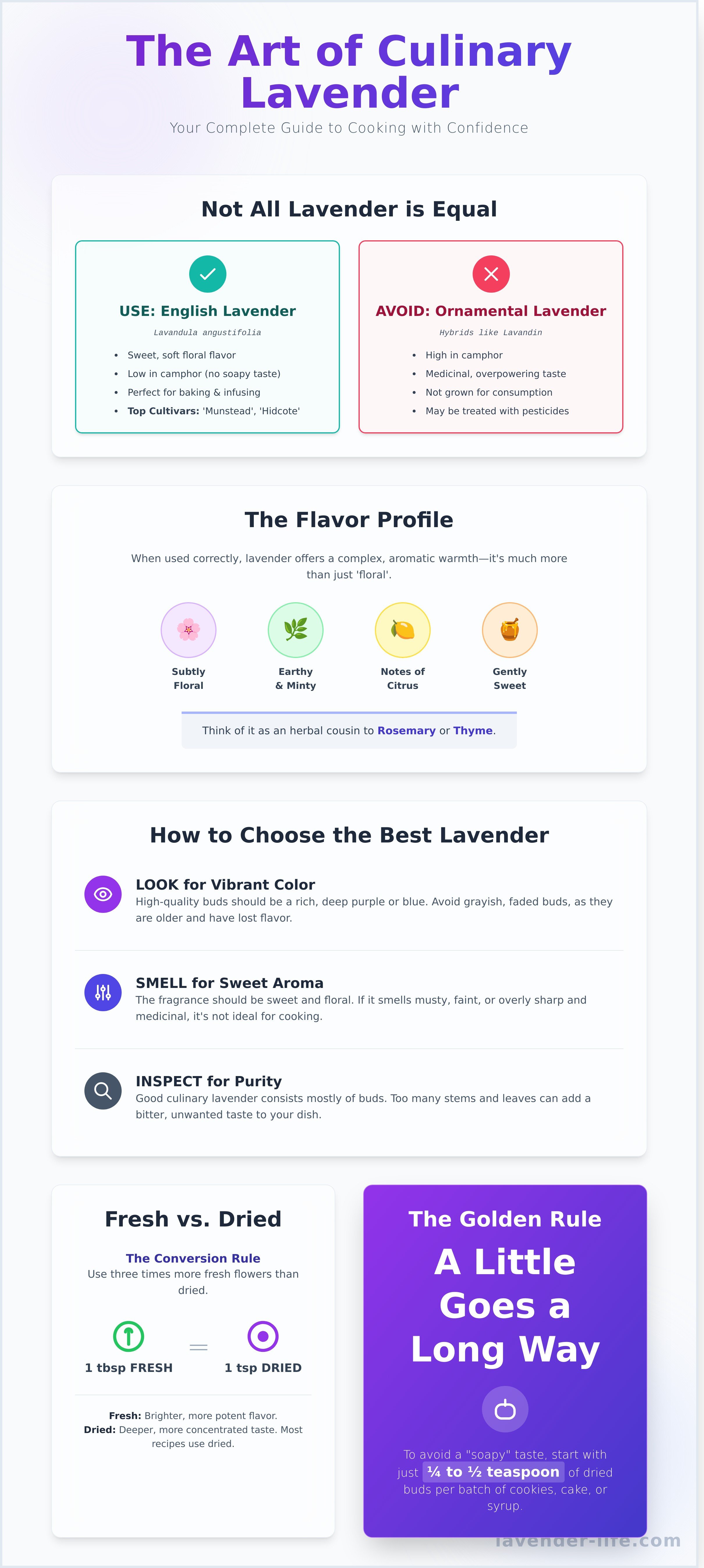
Before you sprinkle lavender from your garden into a batch of scones, it’s crucial to understand that only certain types are meant for consumption. The best and most widely used variety for cooking is English Lavender, or Lavandula angustifolia. It’s cherished for its sweet, soft fragrance and flavor. Other varieties, especially those bred for landscaping, can be high in camphor, which lends a medicinal, unpleasant taste. To ensure both safety and flavor, it is essential to use specific varieties of culinary lavender grown without pesticides. Never use lavender from a florist or garden center, as it's likely been treated with chemicals not safe for ingestion. Always look for products clearly labeled as “food-grade” or “culinary.”
The Flavor Profile: More Than Just 'Floral'
Many people worry that cooking with lavender will make their food taste like soap, but that only happens when it's used with a heavy hand. A little goes a long way! When used correctly, lavender has a surprisingly complex flavor profile. It’s subtly sweet and floral, with gentle, earthy notes of citrus and mint. Think of it as a cousin to herbs like rosemary or thyme; it adds a unique, aromatic warmth that feels both cozy and elegant. It’s the perfect ingredient for infusing a sense of calm and gentle joy into everything from baked goods and teas to savory rubs for roasted chicken.
A Touch of Wellness: Potential Benefits in the Kitchen
Cooking with lavender is more than just a culinary adventure; it’s an act of self-care. The same soothing aroma known to promote relaxation and calm can be woven into the food you prepare for yourself and your loved ones. For centuries, herbal traditions have cherished lavender for its gentle properties, often using it in teas and tonics to aid digestion and ease stress. Infusing your meals with this comforting herb is a simple, beautiful way to bring a moment of peace and wellness to your kitchen table, turning every bite into a nurturing experience.
How to Choose the Best Culinary Lavender
Venturing into the world of culinary lavender is a truly rewarding experience, but it’s natural to wonder where to begin. The secret to avoiding a soapy flavor and instead unlocking a world of gentle, floral sweetness lies in choosing the right kind. Think of it as selecting the perfect herb from the garden-quality and variety make all the difference.
Which Lavender Varieties Are Best for Cooking?
Not all lavender is created equal for the kitchen. For the most delightful flavor, always choose English Lavender (Lavandula angustifolia). This variety is celebrated for its sweet, soft floral notes without the sharp, camphor-like scent found in other types. Cultivars like 'Munstead' and 'Hidcote' are especially cherished for their beautiful color and perfect-for-baking sweetness. In contrast, varieties like Provence Lavender (Lavandin) are hybrids with a much higher camphor content. As the NC State Extension notes, these are wonderful for crafting and aromatherapy but can easily overpower a dish.
Fresh vs. Dried Lavender Flowers
You can cook with both fresh and dried lavender, but they offer slightly different experiences. Fresh lavender has a brighter, more potent flavor, while dried buds offer a deeper, more concentrated floral taste. Because it’s more accessible year-round, most recipes are developed using dried lavender. As a simple rule of thumb, use three times the amount of fresh flowers if a recipe calls for dried (e.g., 1 teaspoon dried = 1 tablespoon fresh).
What to Look For: Color, Aroma, and Purity
When you’re selecting edible lavender flowers, let your senses be your guide. A little care in choosing ensures your creations will be filled with love and the best possible flavor. Here’s what to look for:
- Vibrant Color: Look for buds that are a rich, deep purple or blue. Grayish, faded buds are often older and have lost much of their flavor and aroma.
- Sweet Aroma: Gently smell the lavender. It should have a sweet, floral fragrance. If it smells musty, faint, or overly sharp and medicinal, it’s best to pass.
- Purity and Form: High-quality culinary lavender consists mostly of buds, with very few stems or leaves, which can add a bitter taste. The product should be clean and well-sifted.
Ultimately, the best edible lavender flowers come from a source you can trust. Small farms that grow, harvest, and dry their lavender with care are dedicated to providing a pure, flavorful product. When you choose lavender grown with intention, you're not just getting an ingredient-you're bringing a piece of that farm's comfort and warmth right into your own kitchen.
A Beginner's Guide to Cooking with Lavender
Stepping into the world of culinary lavender can feel like discovering a beautiful secret ingredient. The key to unlocking its magic is a gentle touch and a bit of guidance. Cooking with lavender is a simple joy, meant to add a soothing, floral note that elevates everyday recipes into something truly special. Let these foundational tips give you the confidence to bring the comforting essence of our Michigan lavender from the field to your table.
The Golden Rule: A Little Goes a Long Way
Here is the most important piece of advice we can offer: start with a very small amount. The lovely floral flavor of lavender can quickly become overpowering and taste soapy if overused. For most recipes, like a batch of cookies or a cake, begin with just ¼ to ½ teaspoon of dried buds. Remember, you can always add a little more, but you can't take it away. The flavor will also deepen as it bakes or infuses, so trust the process.
Simple Preparation Techniques
Preparing your edible lavender flowers is wonderfully simple. The method you choose depends on the texture and flavor you desire.
- Infusing: For a smooth, delicate flavor in liquids, gently warm lavender buds in milk, cream, or simple syrup, then strain them out. This is perfect for ice cream, panna cotta, or lavender lattes.
- Grinding: To incorporate the lavender directly into baked goods, grind the buds with sugar or salt using a spice grinder or mortar and pestle. This releases the oils and distributes the flavor evenly in shortbread, scones, or savory rubs.
- Whole Buds: Use whole buds as a beautiful garnish on desserts and cocktails, or steep them for a calming cup of loose-leaf tea.
Perfect Pairings: Flavors that Complement Lavender
Lavender’s unique profile shines when paired with complementary flavors. Think of it as a delicate finishing touch, a quiet harmony rather than a loud solo. For your first culinary creations, try pairing our edible lavender flowers with these trusted companions:
- Fruits: The bright acidity of lemon and berries (especially blueberry and blackberry) cuts through the floral notes beautifully. Stone fruits like peaches and plums also create a warm, sweet pairing.
- Herbs: Earthy herbs like rosemary, thyme, and sage create a sophisticated, savory blend perfect for roasted chicken or focaccia.
- Sweets: Rich dark chocolate, creamy white chocolate, vanilla, and golden honey all provide a perfect canvas for lavender’s floral sweetness.
- Dairy: The tangy notes in goat cheese, yogurt, and rich cream balance lavender wonderfully in both sweet and savory dishes.
Inspiring Ways to Use Edible Lavender in Your Kitchen
Bringing the gentle aroma of a lavender field into your kitchen is a simple joy. If you've ever wondered how to use edible lavender flowers, you'll be delighted to discover how easily they can add a touch of warmth and elegance to your everyday meals. Let's explore some comforting and creative ways to begin your culinary lavender journey.
Sweet Treats: Baking and Desserts
In the world of sweets, lavender offers a delicate, floral perfume that pairs beautifully with citrus, berries, and rich dairy. It adds a layer of sophistication without overpowering. Start with small amounts; a little goes a long way in creating a memorable flavor.
- Lavender Sugar: Gently pulse a teaspoon of dried lavender buds with a cup of sugar in a food processor. Let it sit for a day to infuse. Sprinkle this fragrant sugar over shortbread cookies, fresh fruit, or use it to sweeten your morning tea.
- Infused Cream: Warm heavy cream with a spoonful of lavender buds, then let it steep for 30 minutes before straining. This aromatic cream is the perfect base for homemade ice cream, panna cotta, or a simple whipped topping for scones.
- Simple Syrup: Simmer equal parts sugar and water with a tablespoon of lavender until the sugar dissolves. This beautiful syrup is lovely drizzled over pancakes, yogurt, or fruit salads.
Savory Surprises: Meats and Vegetables
While it shines in desserts, lavender’s slightly peppery, rosemary-like notes make it a wonderful companion for savory dishes. It’s a key ingredient in the classic Herbes de Provence blend for a reason-it brings a unique, sunny flavor to roasted meats and vegetables.
- Herb Blends: Create your own Herbes de Provence by mixing dried edible lavender flowers with thyme, rosemary, and savory. It’s a heartfelt, handcrafted blend perfect for seasoning anything from chicken to vegetable stews.
- Rubs & Marinades: Combine crushed lavender with garlic, salt, and pepper for a fragrant rub for lamb, pork, or chicken. The floral notes create a beautiful crust when grilled or roasted.
- Roasted Vegetables: Toss root vegetables like potatoes, carrots, and parsnips with olive oil and a sprinkle of lavender before roasting for a comforting, earthy flavor.
Elegant Beverages: From Teas to Cocktails
A touch of lavender can transform a simple drink into a soothing ritual or a celebratory toast. Its calming properties are perfect for winding down, while its beautiful color and flavor make it a star in refreshing coolers and creative cocktails.
- Calming Lavender Tea: For a simple, soothing brew, steep one teaspoon of dried lavender buds in hot water for 5-7 minutes. Add a touch of honey for a perfectly tranquil cup.
- Lavender Lemonade: Add your lavender simple syrup to freshly squeezed lemonade for a stunningly beautiful and refreshing drink that’s perfect for a warm summer day.
- Cocktail Syrups: Elevate your home bar by using lavender syrup to create signature drinks. It pairs wonderfully with gin for a floral gin fizz or with champagne for an elegant spritzer.
We invite you to welcome these gentle flavors into your home. Experimenting with lavender is a way to practice self-care, share love through food, and create moments of calm. For the highest quality culinary lavender, grown with love right here in Michigan, explore our farm-fresh offerings at lavender-life.com.
Sourcing and Storing Your Lavender with Care
Now that you’ve discovered the gentle, nuanced flavor of Michigan lavender, bringing its comforting essence into your own home is the next beautiful step. To ensure every sip and bite is safe, fragrant, and delicious, it’s important to choose and store your lavender with the same care with which it was grown. This ensures you can enjoy its soothing qualities to the fullest.
Why 'Food-Grade' Matters: Finding a Trusted Source
Not all lavender is created equal, especially when it comes to the kitchen. Lavender grown for ornamental purposes or essential oils may be treated with pesticides not safe for consumption. When you're searching for edible lavender flowers, always choose a 'food-grade' or 'culinary' variety. Sourcing from a trusted farm or specialty shop gives you peace of mind, connecting you directly to the hands that nurtured your ingredients from seed to harvest.
How to Store Dried Lavender Flowers for Lasting Flavor
Once you have your beautiful culinary lavender, proper storage is key to preserving its delicate aroma and flavor for years to come. A little care goes a long way in protecting your gentle investment. Follow these simple steps:
- Find a cool, dark place: A pantry or cupboard away from direct sunlight is perfect for maintaining its color and potency.
- Use an airtight container: A glass jar with a tight-fitting lid is ideal for locking in the fragrant essential oils and keeping moisture out.
- Avoid heat and humidity: Keep your lavender away from the stove, oven, or refrigerator, as temperature fluctuations can degrade its quality.
Properly stored, your dried lavender can remain wonderfully potent for one to three years, ready to bring a touch of calm to your favorite recipes whenever you need it.
From Our Farm to Your Pantry: The Lavender Life Promise
At Lavender Life, we live by these principles of purity and care. Our culinary lavender is grown right here on our Michigan farm, where we nurture each plant without harsh chemicals. We hand-harvest our blossoms at their peak to ensure the most gentle and authentic flavor. This heartfelt process is our promise to you-that the edible lavender flowers you receive are pure, safe, and filled with the comforting spirit of our farm. We believe that what you bring into your kitchen should be as wholesome and loving as the meals you create.
Bring the gentle flavor of our farm to your kitchen.
Your Culinary Journey with Lavender Begins Now
We hope this guide has filled you with the confidence to welcome the soothing, floral notes of lavender into your home cooking. Remember that choosing the right variety and using a gentle hand are the keys to success with edible lavender flowers. By starting with a small amount and sourcing high-quality buds, you can effortlessly infuse everything from baked goods to savory dishes with a touch of gentle elegance and comforting aroma.
At Lavender Life, we pour our hearts into cultivating the finest lavender. Grown with care on our family farm in Michigan, our culinary lavender is specifically selected for its sweet, culinary-grade flavor and hand-crafted to ensure the highest quality and purity. Explore our farm-grown culinary lavender and bring a touch of comfort to your kitchen.
We invite you to infuse your recipes with a little bit of calm and a lot of love. Happy cooking!
Frequently Asked Questions About Cooking with Lavender
Can I eat the lavender growing in my garden?
While it can be tempting, it’s best to be cautious. Not all lavender varieties are suited for cooking, and ornamental plants may be treated with pesticides. For a truly wholesome and safe experience, we recommend using culinary-grade English lavender (Lavandula angustifolia). Sourcing high-quality edible lavender flowers ensures a delicate, sweet flavor without any harshness, bringing a touch of gentle comfort to your kitchen creations and peace of mind to your heart.
How much dried lavender should I use to replace fresh lavender in a recipe?
Dried lavender has a much more concentrated flavor than fresh, so a little goes a long way. The general rule of thumb is a 1:3 ratio. This means if your recipe calls for three teaspoons of fresh lavender, you should use just one teaspoon of dried culinary lavender. This simple conversion helps you achieve that perfect, gentle floral note without overwhelming your dish, ensuring a beautifully balanced and soothing taste in every bite.
What is the difference between using lavender buds and lavender extract?
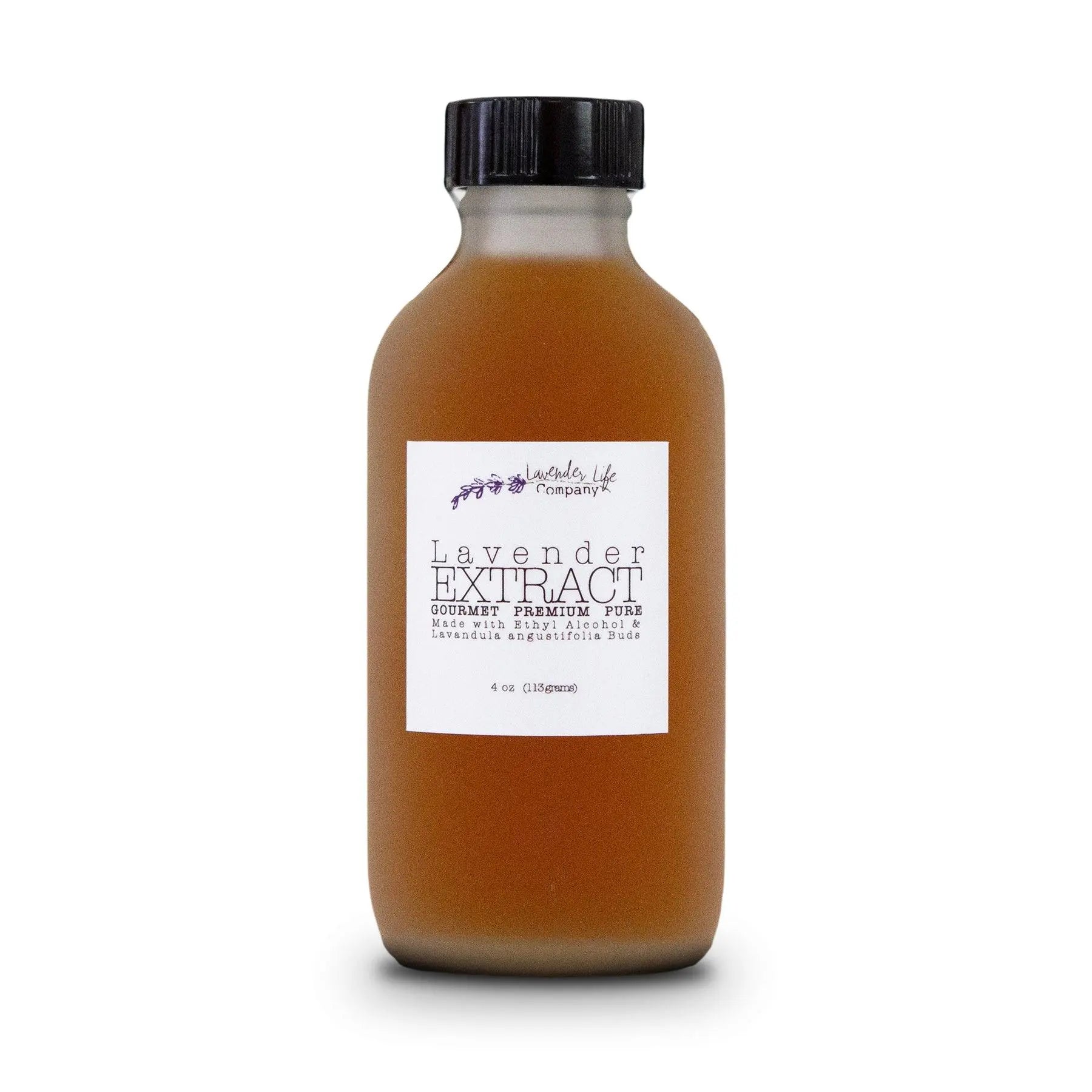
Think of it as the difference between a gentle whisper and a clear statement. Dried lavender buds offer a subtle, infused flavor and a lovely texture, perfect for shortbread cookies or scones. Lavender extract is a concentrated liquid that provides a stronger, more direct floral note, making it wonderful for liquids like icings, custards, or lemonades where you want a smooth consistency. Both bring a sense of calm to your cooking in their own unique way.
Does cooking or baking destroy the calming properties of lavender?
While very high heat can slightly diminish some of the most delicate aromatic oils, the wonderful, soothing essence of lavender largely remains. The comforting aroma that fills your home as you bake is part of the calming experience itself! More importantly, the ritual of creating something with love and care, then savoring it, is a powerful act of self-nurturing. The feeling of peace it brings is just as valuable as any compound.
Can you eat lavender flowers raw, like in a salad?
Absolutely! Sprinkling raw edible lavender flowers over a fresh salad is a beautiful way to add a pop of color and a surprising, delightful floral note. They are also lovely scattered over desserts like ice cream, yogurt, or fresh fruit. Just remember to use them sparingly, as their flavor is quite distinct. It’s a simple way to bring a touch of the lavender field’s gentle beauty and peace directly to your plate.
How do I make lavender sugar at home?
Creating your own lavender sugar is a simple, heartwarming ritual. In an airtight jar, gently combine one cup of granulated sugar with one to two teaspoons of dried culinary lavender buds. Seal the jar and shake it well. Let it rest for at least one week, giving it a little shake each day to help the flavors infuse. Sift out the buds before using your fragrant sugar to bring a touch of cozy sweetness to your tea, coffee, or baked goods.