News
News
Lavender Tea Blends For Calm Flavor and Everyday Wellness
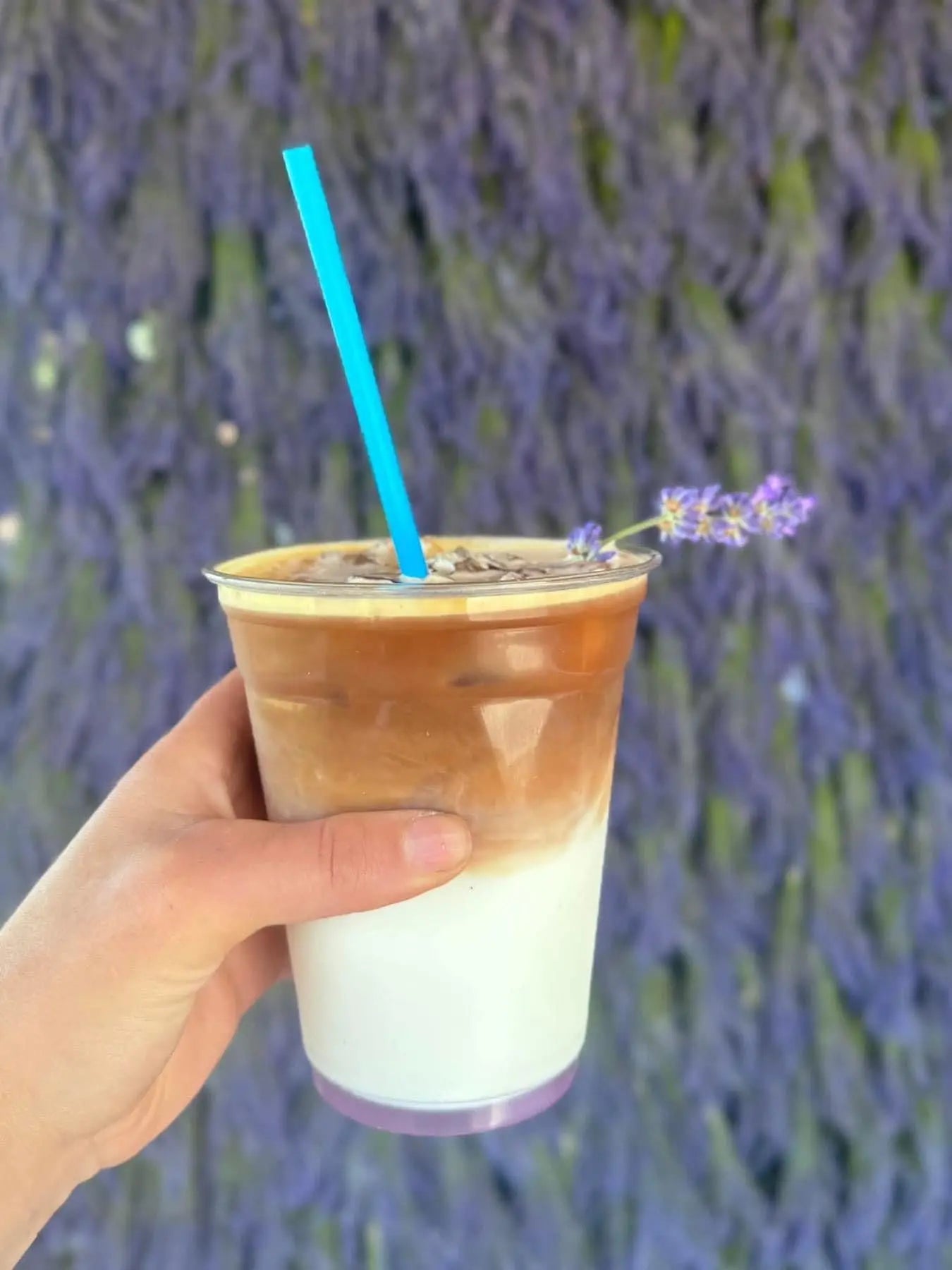
Updated on: April 5, 2026 Lavender tea blends offer a natural and soothing way to support relaxation and wellness. These aromatic herbal infusions combine dried lavender flowers with complementary botanicals to create calming beverages. Understanding the composition, benefits, and brewing methods of these blends can help you select the perfect option for your daily wellness routine. This comprehensive guide explores everything you need to know about lavender-infused tea preparations. Table of Contents What Are Lavender Tea Blends? Myths vs. Facts About Lavender Tea The Perfect Brewing Technique Personal Experience with Lavender Infusions Popular Blend Combinations Final Thoughts and Takeaways Frequently Asked Questions What Are Lavender Tea Blends? Lavender tea blends represent a sophisticated category of herbal beverages that combine the distinctive floral notes of lavender with other complementary ingredients. These carefully curated mixtures provide a sensory experience that extends beyond simple hydration. The primary component, dried lavender flowers, contains aromatic compounds that have been valued for centuries in traditional wellness practices. A quality blend typically includes whole lavender buds alongside supporting botanicals such as chamomile, lemon balm, or honey. The composition determines both the flavor profile and the overall experience when consumed. Premium blends prioritize organic sourcing and minimal processing to preserve the delicate volatile oils that give lavender its characteristic aroma and properties. When selecting a blend, attention to ingredient quality and transparency becomes essential for achieving optimal results. The versatility of these infusions makes them suitable for various occasions throughout the day. Whether enjoyed in the morning for a gentle start or in the evening as part of a calming routine, lavender tea blends adapt to individual preferences and schedules. Understanding the distinctions between different blend varieties helps consumers make informed choices aligned with their specific wellness goals. Dried lavender flowers with complementary botanical ingredients arranged together Myths vs. Facts About Lavender Tea Myth: All lavender tea blends taste identical. Fact: Flavor profiles vary significantly depending on growing conditions, harvest timing, and the specific botanicals included in each blend formulation. Myth: Lavender tea provides immediate results. Fact: The benefits of herbal infusions develop gradually through consistent consumption over time, not through single-use experiences. Myth: Higher price always indicates superior quality. Fact: Quality depends on sourcing practices, processing methods, and ingredient transparency rather than price point alone. Myth: All lavender plants produce tea-grade flowers. Fact: Only specific lavender varieties grown under appropriate conditions yield flowers suitable for culinary and wellness applications. Myth: Lavender tea blends produce identical results for everyone. Fact: Individual responses vary based on personal constitution, existing habits, and overall wellness practices. The Perfect Brewing Technique Proper preparation significantly impacts the quality and effectiveness of your lavender tea experience. The brewing process involves precise temperature control and timing to extract optimal flavor and aromatic compounds. Water temperature should range between one hundred ninety and two hundred ten degrees Fahrenheit, as water that is too hot can damage delicate floral notes while cooler water may result in insufficient extraction. Measurement precision matters considerably when preparing these infusions. A standard guideline recommends one teaspoon of dried lavender blend per eight ounces of water. Steeping duration typically extends from five to ten minutes, depending on personal preference and the specific blend composition. Longer steeping times produce stronger flavor intensity, while shorter durations preserve more delicate floral characteristics. Quality brewing vessels enhance the overall experience. Glass or ceramic teapots allow visual appreciation of the infusion process and prevent unwanted flavor interactions. Strainers or infuser baskets capture botanical material while allowing full contact with hot water. For optimal results, pre-warming your cup before adding the brewed tea helps maintain appropriate serving temperature throughout consumption. Personal Experience with Lavender Infusions My introduction to lavender tea blends began during a particularly demanding period requiring enhanced focus on personal wellness practices. A friend recommended trying a simple lavender and chamomile preparation as part of an evening routine. The initial skepticism quickly transformed into genuine appreciation as I experienced the sensory pleasure of the aromatic steam and the subtle floral taste. Over subsequent weeks, I explored various blend combinations from different sources, discovering remarkable differences in flavor complexity and overall experience. Premium blends sourced from reputable providers delivered noticeably superior aromatic profiles compared to lower-quality alternatives. The ritual of preparing and consuming these infusions became meaningful beyond the beverage itself, creating a dedicated moment for intentional self-care and relaxation. This personal journey highlighted the importance of ingredient quality and proper preparation methods. Investing in premium lavender preparations yielded substantially more satisfying experiences than casual, convenience-oriented options. The practice demonstrated how thoughtful selection and mindful consumption enhance both the practical and psychological dimensions of wellness routines. Steaming cup of lavender tea with fresh botanical garnish and warm lighting Popular Blend Combinations The world of lavender tea blends extends far beyond single-ingredient preparations. Creative combinations unlock distinct flavor profiles and enhance the overall wellness experience. Lavender paired with chamomile creates a deeply calming infusion suitable for evening consumption, while lavender combined with lemon balm provides a brighter, more uplifting option for daytime use. Honey-enhanced blends add natural sweetness and additional aromatic complexity. Rose petals contribute floral elegance and subtle sweetness when combined with lavender, creating sophisticated preparations suitable for special occasions. Herbal combinations incorporating mint provide refreshing notes that balance lavender's distinctive character while adding digestive support benefits. Advanced enthusiasts experiment with spice additions including light touches of cinnamon or cardamom. These warming elements complement lavender's coolness and create seasonally appropriate variations. Ginger-based blends offer additional warming properties, making them ideal for cooler months. Understanding the interplay between different botanicals enables creation of personalized blends aligned with individual preferences and seasonal needs. For those seeking comprehensive wellness support through accessory products, complementary comfort items can enhance the overall relaxation experience when enjoyed alongside your preferred lavender blend. Similarly, curated gift collections offer convenient options for those new to these preparations. Final Thoughts and Takeaways Lavender tea blends represent an accessible and enjoyable approach to incorporating calming botanicals into daily wellness practices. The diversity of available options ensures that virtually every palate preference and wellness goal can be accommodated through thoughtful selection. Key considerations include prioritizing quality ingredients, understanding proper preparation techniques, and allowing sufficient time for consistent consumption to experience the full benefits. Success with these herbal infusions depends on establishing sustainable routines rather than expecting immediate transformations. Dedicating specific moments to mindful preparation and consumption amplifies the wellness benefits beyond the beverage itself. Quality matters significantly in this category, as premium blends deliver superior flavor and aromatic experiences compared to lower-cost alternatives. As you explore lavender tea options, remember that personal preferences and responses vary considerably. Experimentation with different blends, brewing methods, and consumption timing helps identify the approach that works best for your individual needs. Whether you are seeking evening relaxation support or a daytime calming ritual, quality lavender preparations offer a natural, enjoyable path toward enhanced wellness. Frequently Asked Questions Can lavender tea be consumed daily without concerns? Yes, most people can safely consume quality lavender tea regularly as part of their daily routine. Lavender is a culinary herb with a long history of traditional use. However, individuals taking specific medications or those who are pregnant should consult healthcare providers before establishing regular consumption patterns. Starting with moderate amounts and observing your personal response provides the best approach for determining appropriate daily intake. What is the ideal time of day to drink lavender tea blends? While many people prefer evening consumption for relaxation purposes, lavender tea can be enjoyed at any time according to personal preference. Morning blends featuring brighter botanicals like lemon balm provide gentle support for daily activities. Evening preparations with chamomile create ideal pre-sleep beverages. The most important factor involves consistency and personal alignment with your wellness objectives rather than adhering to rigid timing rules. How should lavender tea blends be stored to maintain freshness and potency? Proper storage preserves the delicate volatile oils that give lavender tea its characteristic properties and aroma. Keep blends in airtight containers positioned away from direct sunlight, heat sources, and moisture. Dried herbs maintain optimal quality for six to twelve months when stored correctly. Glass jars with secure lids work exceptionally well, while opaque containers provide additional protection from light exposure that can degrade quality over time. Are there any complementary practices that enhance the lavender tea experience? Mindful consumption practices significantly amplify the benefits beyond the beverage itself. Creating dedicated quiet moments free from distractions allows full appreciation of the aromatic and sensory elements. Many find that pairing tea consumption with gentle breathing exercises or light stretching creates comprehensive relaxation experiences. Products like complementary aromatic preparations can extend the calming atmosphere throughout your environment. How do I identify high-quality lavender tea blends versus lower-grade options? Quality indicators include transparent ingredient lists featuring recognizable whole botanicals rather than unclear proprietary blends. Examine the appearance of dried flowers, which should display vibrant color and intact buds rather than dust or broken particles. Reputable suppliers provide information about sourcing practices, growing methods, and processing techniques. Aroma intensity upon opening the package serves as an excellent quality marker, as premium blends deliver pronounced floral fragrance while lower-quality options may smell weak or stale. Can lavender tea blends be combined with other beverages? Absolutely. Many people enjoy adding brewed lavender preparations to warm milk or plant-based milk alternatives for enhanced creaminess and flavor complexity. Blending cooled lavender tea into smoothies provides a refreshing variation, while adding it to warm water with honey creates simplified versions suitable for those preferring subtler flavors. Experimentation allows discovery of preferred combinations aligned with individual taste preferences and lifestyle patterns. What should I expect when first trying quality lavender tea blends? Initial experiences typically involve appreciation of the aromatic qualities and subtle floral taste. The sensory experience of steam, aroma, and flavor provides immediate pleasure. Benefits related to relaxation and wellness develop gradually through consistent consumption patterns rather than single-use experiences. Many find that the ritual aspect becomes equally important as the beverage itself, creating dedicated moments for intentional self-care and mindfulness. How do brewing methods differ between loose-leaf and bagged lavender tea blends? Loose-leaf preparations typically deliver superior flavor extraction and aromatic intensity due to increased surface area contact with hot water. Bagged options offer convenience and portion control, making them ideal for those with busy schedules or those new to herbal preparation. Both formats can deliver quality experiences when sourced from reputable providers using premium ingredients. Personal preference regarding convenience versus flavor intensity should guide your selection between these formats. About the Author I am a wellness enthusiast and content creator with extensive experience exploring herbal infusions and natural wellness practices. My passion for lavender and complementary botanicals stems from years of personal research and experimentation with various preparations and blend combinations. Through this journey, I have discovered the remarkable impact that quality ingredients and mindful consumption practices can have on daily wellness routines. At Lavender Life Company, I am committed to sharing evidence-based information and authentic experiences that help others discover the benefits of premium lavender preparations. My goal involves empowering readers to make informed choices that align with their individual wellness objectives and personal preferences. The content in this blog post is intended for general information purposes only. It should not be considered as professional, medical, or legal advice. For specific guidance related to your situation, please consult a qualified professional. The store does not assume responsibility for any decisions made based on this information.
Read more