








Does the thought of cooking with lavender bring to mind a beautiful, fragrant field... followed by a flicker of worry that your dish might taste more like perfume than pastry? We understand that hesitation completely. It’s a common feeling when approaching such a unique ingredient. But what if we told you that the secret to unlocking its delightful, subtly sweet, and floral flavor is simpler than you think? The key lies in understanding and using true culinary lavender-a world away from the potpourri you might be imagining.
In this complete guide, we’ll gently walk you through everything you need to feel confident and inspired in your kitchen. You'll discover which lavender varieties are best for eating, how to measure the perfect amount for a whisper of flavor, and the simple differences between using fresh buds, dried flowers, and extracts. Prepare to infuse your favorite sweet and savory recipes with a touch of warmth and elegance, creating beautiful dishes that bring comfort and joy to your table.
What is Culinary Lavender? Your Gentle Introduction
When you think of lavender, your mind might drift to fragrant soaps or calming essential oils. But we invite you to discover its softer, more delicious side. So, what is lavender in the kitchen? Simply put, culinary lavender is a specific, food-grade herb grown with the intention of being eaten. It belongs to the mint family, sharing a wholesome heritage with familiar herbs like rosemary, sage, and thyme. This fragrant blossom has a rich history, adding a touch of gentle, floral warmth to dishes for centuries, long before it became a staple in home fragrance.
Understanding this special herb is the first step to bringing its unique, comforting flavor into your own cooking, transforming simple recipes into something truly special.
Not All Lavender is Created Equal
Before you begin your cooking adventure, it’s comforting to know that the lavender in your garden or a floral shop is not the same as what you’ll use in your recipes. The key difference lies in the variety. Most cooking uses Lavandula angustifolia, commonly known as English lavender, for its sweet, soft floral notes. Other varieties can be more pungent with a camphor-like scent, which can easily overpower a dish.
To ensure a safe and delicious experience, always remember:
- Never use lavender from floral shops or garden centers, as it may be treated with pesticides not safe for consumption.
- Only use buds that are explicitly labeled as 'culinary' or 'food-grade'. This guarantees they were grown and processed with care, just for your kitchen.
Is Lavender Safe to Eat? A Reassuring Answer
Yes, absolutely! When you choose the correct type, culinary lavender is perfectly safe and wonderfully edible. As a member of the mint family, its use in food is as natural as sprinkling rosemary on potatoes or adding thyme to a cozy soup. For generations, its buds have been used to infuse a sense of calm and comfort into everything from baked goods to traditional remedies.
The most important step is choosing a trusted source. By selecting pure, untreated lavender buds meant for cooking, you can feel confident and at ease as you explore the wonderful flavors this special herb has to offer.
The Surprising Flavor Profile of Culinary Lavender
When you think of lavender, your mind might drift to fragrant soaps or calming essential oils. But in the kitchen, its flavor is a gentle, comforting surprise that goes far beyond a simple floral note. Let’s demystify the beautiful taste of culinary lavender and give you the confidence to bring its warmth into your favorite dishes.
What Does Lavender Actually Taste Like?
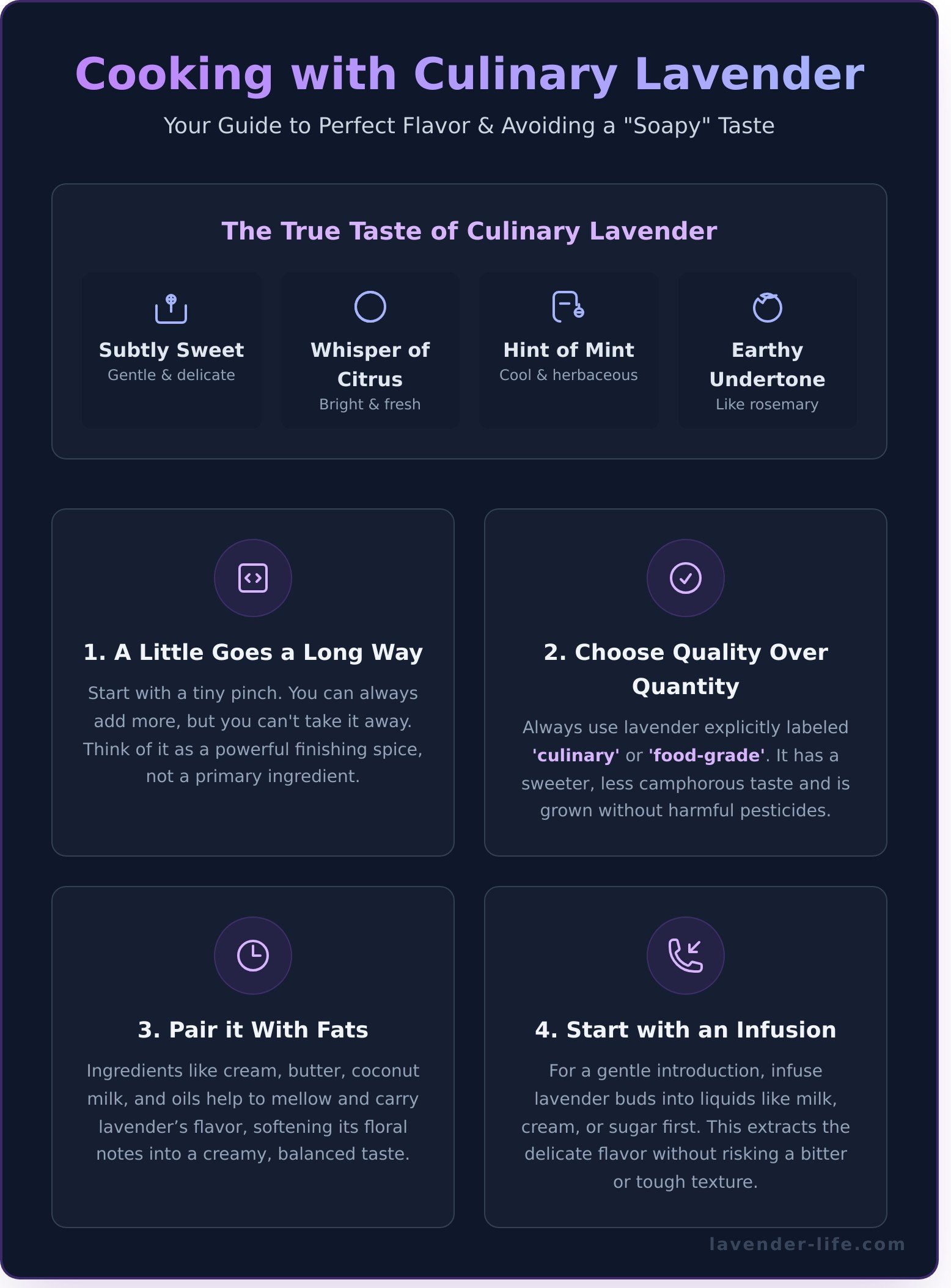
Imagine a flavor that is subtly sweet with a bright whisper of citrus and a cool hint of mint. That’s the true essence of high-quality lavender. Beneath these top notes, you’ll discover an earthy, almost woodsy undertone, much like a delicate version of rosemary. It’s not an overpowering perfume but a complex, wholesome herb that adds a unique layer of warmth to both sweet and savory recipes. The key is using a variety grown for the kitchen, which offers a soft, rounded flavor meant for tasting, not just smelling.
How to Avoid the 'Soapy' Taste: The Golden Rules
The most common worry for newcomers is creating a dish that tastes like soap. This is a valid concern, but thankfully, it’s very easy to avoid. That bitter, soapy taste comes from using too much lavender or a variety not intended for cooking. To ensure a lovely, gentle flavor every time, just follow these simple, comforting rules:
- A little goes a very long way. This is the most important rule. Start with a tiny pinch-you can always add more, but you can't take it away. Think of it as a finishing spice, like saffron.
- Choose quality over quantity. Always use high-quality culinary lavender, which has a sweeter, less camphorous flavor than ornamental varieties.
- Pair it with fats. Cream, butter, coconut milk, and oils help to soften and carry lavender’s flavor, mellowing its floral notes into a creamy, dreamy background taste.
- Start with an infusion. For a gentle introduction, try infusing lavender buds into milk, cream, or sugar first. This extracts the delicate flavor without the risk of a bitter bite.
As you gently heat lavender, its flavor deepens and melds beautifully with other ingredients. When baked into scones or infused into a custard, its minty and citrus notes become softer, creating a cozy, aromatic warmth. For more inspiration on balancing its unique profile in various dishes, the MasterClass guide to cooking with lavender offers wonderful recipes and techniques. With these tips, you're ready to explore its comforting flavor with joy and confidence.
How to Use Culinary Lavender in Your Kitchen
Stepping into the kitchen with lavender is like inviting a gentle sense of calm into your cooking. This fragrant herb is surprisingly versatile, lending its unique floral notes to everything from cozy baked goods to savory weeknight dinners. The key is to start with a light touch, as a little goes a long way. Let's explore the simple ways to bring the comforting essence of culinary lavender into your favorite recipes.
Working with Dried Lavender Buds
Dried lavender buds are the most common form you’ll find for cooking. Their concentrated flavor is floral, slightly sweet, and a bit woodsy. For recipes like cookies or scones, it’s often best to grind the buds into a fine powder with a spice grinder or mortar and pestle to avoid a tough texture. For infusing liquids like milk or cream, you can use the buds whole. For a more detailed look at preparation and storage, the Purdue University Extension guide to culinary lavender is a wonderful resource. You can also try these simple infusions:
- Lavender Sugar: Mix one tablespoon of dried buds with one cup of granulated sugar in an airtight jar. Let it infuse for a week, then sift out the buds.
- Lavender Salt: Combine one teaspoon of ground lavender with a quarter cup of sea salt for a beautiful finishing salt on roasted vegetables or chicken.
Using Fresh Lavender Flowers
If you’re lucky enough to have fresh lavender growing in your garden, you’re in for a treat. Fresh flowers have a softer, more herbaceous, and less potent flavor than their dried counterparts. Because they are a seasonal delight, they’re perfect for adding a special touch to summer dishes. Try gently muddling a few fresh flowers into a glass of lemonade for a refreshing twist, or use a whole sprig as a beautiful, fragrant garnish for a simple cake or a sparkling cocktail.
The Ease of Lavender Syrups, Extracts, and Honey
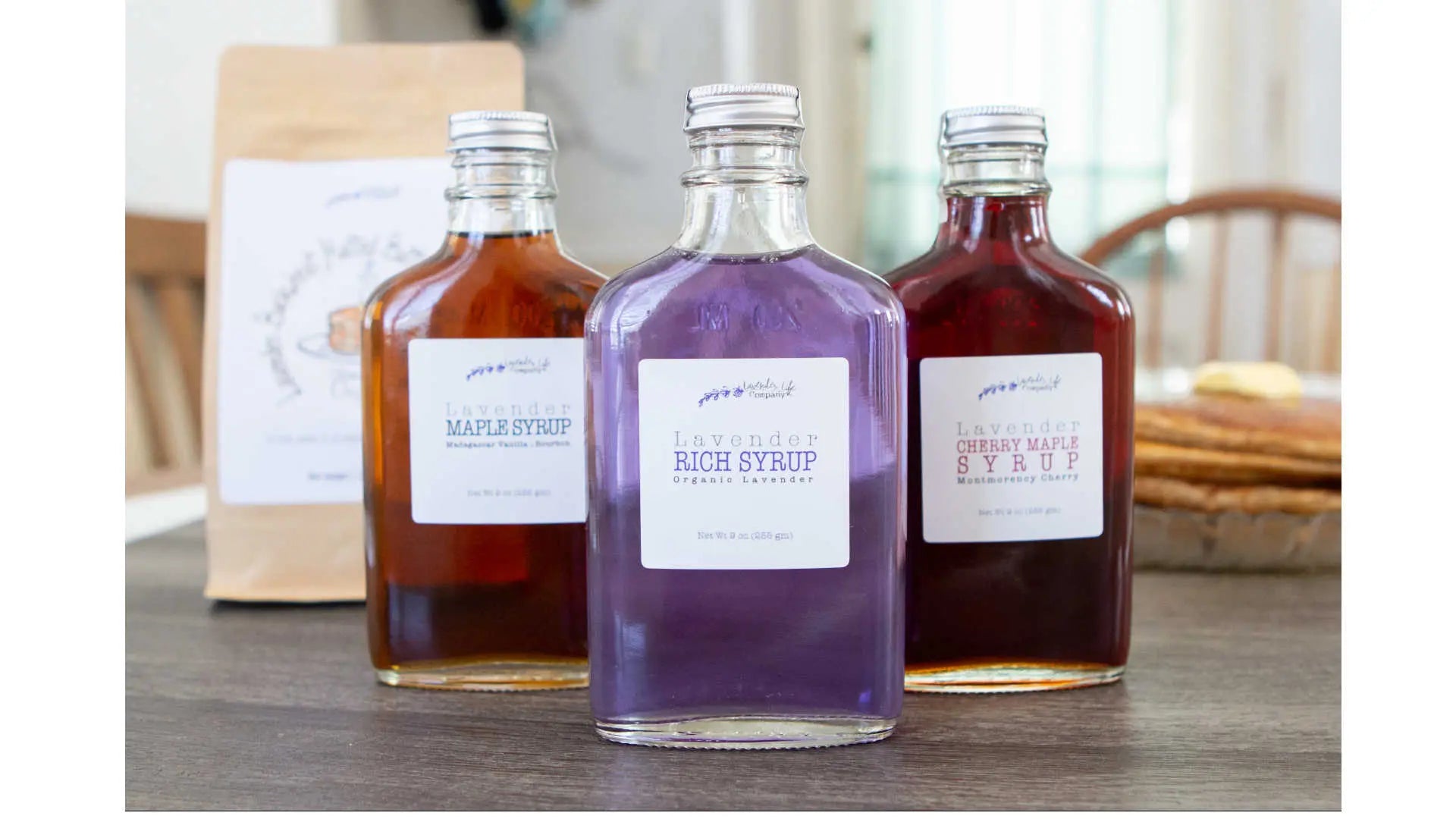
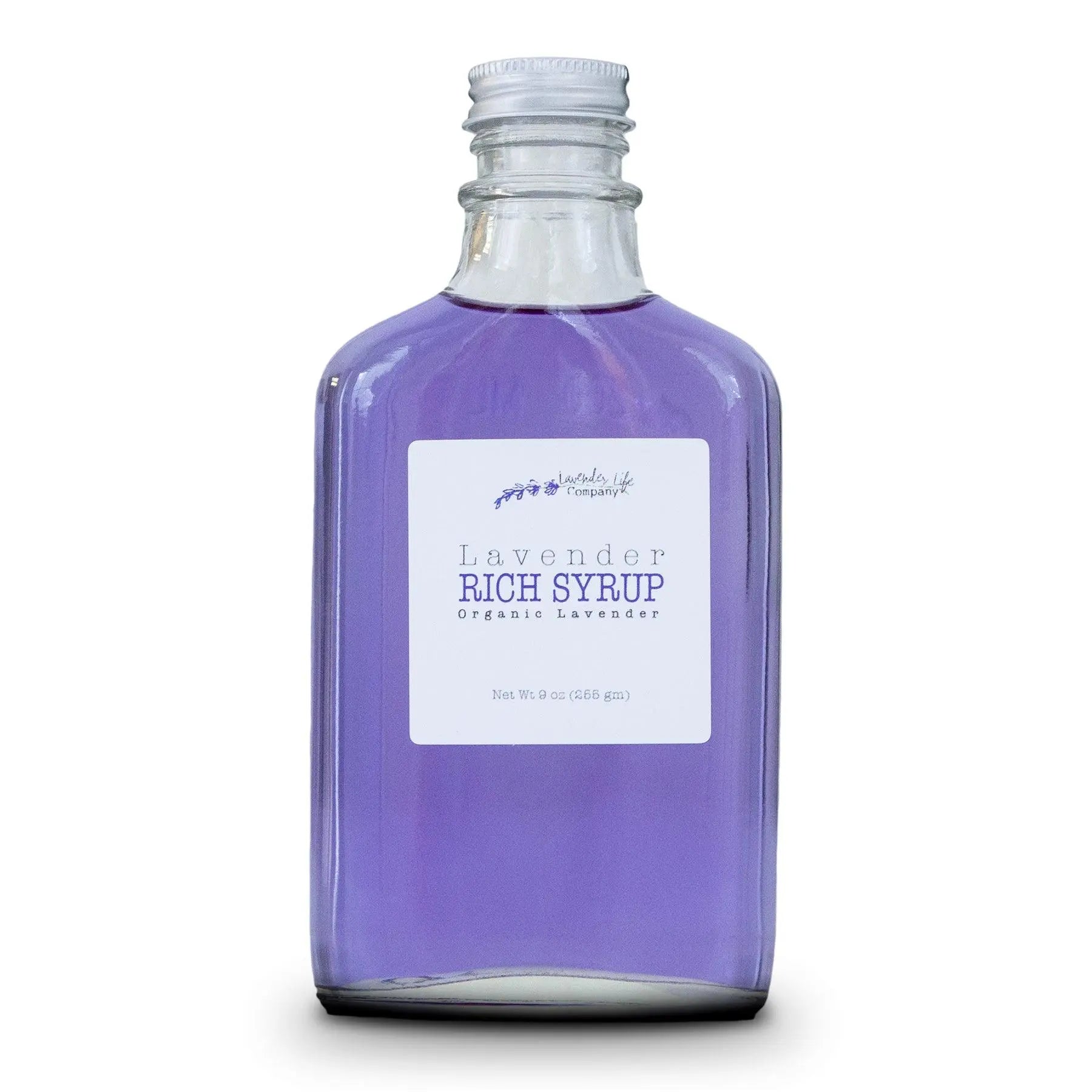
For those new to cooking with lavender, infused liquids are a foolproof and delightful way to begin. Syrups, extracts, and honeys offer a consistent, balanced flavor without any guesswork. They blend seamlessly into drinks, desserts, and even savory glazes. A simple drizzle of lavender-infused honey over warm goat cheese, a bowl of yogurt, or a fresh scone can elevate a simple treat into something truly special. For a perfectly balanced flavor every time, you can explore our gentle, farm-made Lavender Simple Syrup.
Perfect Pairings: Flavors that Love Lavender
Once you begin cooking with lavender, you’ll discover its gentle floral note is a wonderfully versatile friend in the kitchen. Far from being overpowering, its purpose is often to balance and elevate other flavors, adding a touch of comforting warmth and unexpected brightness. The key is knowing which ingredients welcome its unique character. Think of these pairings as a gentle invitation to get creative and find what brings you the most joy.
We invite you to explore these classic combinations. Let them be the starting point for your own wholesome kitchen experiments with high-quality culinary lavender.
Sweet & Fruity Companions
In sweet dishes, lavender’s floral essence beautifully balances richness and acidity. It adds a layer of comforting sophistication to desserts, jams, and baked goods.
- Berries: Blueberries, blackberries, and strawberries have a sweet-tart profile that is wonderfully complemented by lavender. Think of a warm blueberry and lavender scone.
- Citrus: Lemon is a classic partner. Its bright acidity cuts through the floral notes, creating a clean, refreshing taste perfect for shortbread, cakes, and beverages.
- Stone Fruits: The deep sweetness of peaches, plums, and apricots becomes more complex and fragrant with a hint of lavender. Try it in a simple fruit crumble.
- Rich Flavors: Dark chocolate, honey, and vanilla bean all have a depth that is lifted by lavender’s aromatic touch. A lavender-infused honey is a simple, delicious treat.
Savory & Herbaceous Partners
Don't be shy about bringing culinary lavender into your savory cooking. It has long been a staple in French cuisine, particularly in Herbes de Provence blends, for its ability to enhance earthy and rich flavors.
- Herbs: Lavender shares a natural harmony with other Mediterranean herbs like rosemary, thyme, and sage. They share a similar resinous quality that works beautifully together.
- Dairy & Cheese: The creamy tang of goat cheese, mascarpone, and brie is a perfect canvas for lavender. A simple baked brie with a drizzle of lavender honey is divine.
- Meats: Traditionally, lavender is paired with roasted lamb, chicken, and duck. Its floral notes cut through the richness of the meat, adding an elegant and aromatic finish.
- Vegetables: The subtle sweetness of fennel and root vegetables like carrots and parsnips is gently enhanced by a sprinkle of lavender in the roasting pan.
We hope these ideas inspire you to bring a little more comfort and creativity into your kitchen. You can find our hand-harvested lavender and other wholesome goods at lavender-life.com.
Sourcing with Confidence: How to Choose the Best Culinary Lavender
As you begin your journey into cooking with lavender, the quality of your ingredients will make all the difference. The right lavender imparts a sweet, floral note, while a lower-quality product can taste soapy or bitter. To ensure your creations are filled with delightful flavor and comforting aromas, it’s important to know what to look for. Choosing a high-quality culinary lavender is the first step toward a beautiful dish.
What to Look for When You Buy
When you're shopping, let your senses be your guide. A little mindfulness here will reward you in the kitchen. Here are the key markers of purity and freshness to seek out:
- Color: Look for buds that have a vibrant, grayish-purple hue. This indicates they were harvested at their peak and dried properly. Avoid lavender that appears dull, brown, or overly gray, as this is often a sign of age or poor handling.
- Scent: The aroma should be sweet, fragrant, and distinctly floral. If it smells musty, faint, or has no scent at all, it has likely lost its essential oils and, with them, its flavor.
- Labeling: This is non-negotiable. Always choose a package that is clearly marked as ‘culinary grade’ or ‘food grade.’ This ensures it was grown and processed without the use of pesticides or chemicals not intended for consumption.
- Origin: Knowing where your lavender was grown adds a wonderful layer of trust and connection to your food. Small, dedicated farms often produce the most flavorful and aromatic lavender.
From Our Michigan Farm to Your Kitchen
We believe that the best ingredients are grown with love and gentle care. Here at Lavender Life, our lavender is more than just a product; it’s a piece of our farm, nurtured from soil to sachet with a commitment to natural, wholesome cultivation. We walk our fields and hand-harvest each plant at the perfect moment to capture its peak flavor and aroma, ensuring that what reaches your kitchen is pure, fragrant, and full of life.
This careful process brings a warmth and authenticity you can truly taste. We invite you to bring the heart of our Michigan farm into your home. Taste the difference with our Farm-Grown Culinary Lavender.
Embrace the Gentle Art of Cooking with Lavender
As you've discovered, cooking with this fragrant herb is a wonderfully creative journey. It's about understanding its surprisingly complex flavor-a delicate balance of floral and earthy notes-and knowing that a small amount can beautifully transform a dish. From sweet bakes to savory roasts, the possibilities are as endless as they are comforting. Remember that choosing high-quality culinary lavender is the most important step to ensure your creations are truly delightful.
If you’re ready to infuse your meals with this soothing essence, we invite you to bring our farm's gentle touch into your home. Grown with love on our Michigan lavender farm, each product is hand-crafted to ensure the highest quality and flavor. It’s a simple way to bring both comfort and creativity to your kitchen. Shop our collection of farm-grown culinary lavender products and begin your own flavorful adventure. We hope you feel inspired to create moments of calm and joy, one delicious dish at a time.
Frequently Asked Questions About Cooking with Lavender
How much culinary lavender should I use in a recipe?
A little lavender goes a long way, so we always suggest starting with a gentle touch. For most recipes, like a batch of cookies or a loaf of bread, begin with just ½ to 1 teaspoon of dried buds. You can always add more next time! For infusions, like lavender simple syrup or sugar, a good starting point is about 1 tablespoon per cup of liquid or sugar. It’s all about creating a delicate, comforting hint of floral flavor.
Can I just use lavender from my garden for cooking?
To ensure a lovely, sweet flavor and your well-being, it's best to use specific culinary varieties. We recommend using true culinary lavender, such as English lavender (Lavandula angustifolia), which has a less medicinal taste than other types. It’s also very important to make sure the plants have not been treated with any pesticides or chemicals not meant for consumption. Using a trusted source brings peace of mind and the most beautiful results for your kitchen creations.
What's the best way to store dried culinary lavender?
To keep your lavender buds cozy and full of their beautiful aroma, store them with love in an airtight container, like a small glass jar. Find a cool, dark place for them in your pantry, away from direct sunlight and heat. This simple step protects the lavender’s delicate essential oils, preserving its vibrant color and ensuring its soothing fragrance is ready for you whenever you feel inspired to bake or cook something special and comforting.
Does culinary lavender have any health benefits?
Lavender is a beautiful gift from nature, long cherished for its ability to soothe the mind and spirit. While it's most famous for its calming properties in aromatherapy, these gentle benefits can be carried into your food. Incorporating lavender into your cooking can be a lovely and delicious way to bring a sense of peace and tranquility to your table. It turns a simple meal or treat into a moment of comforting self-care and warmth.
Can I substitute lavender extract for dried lavender buds?
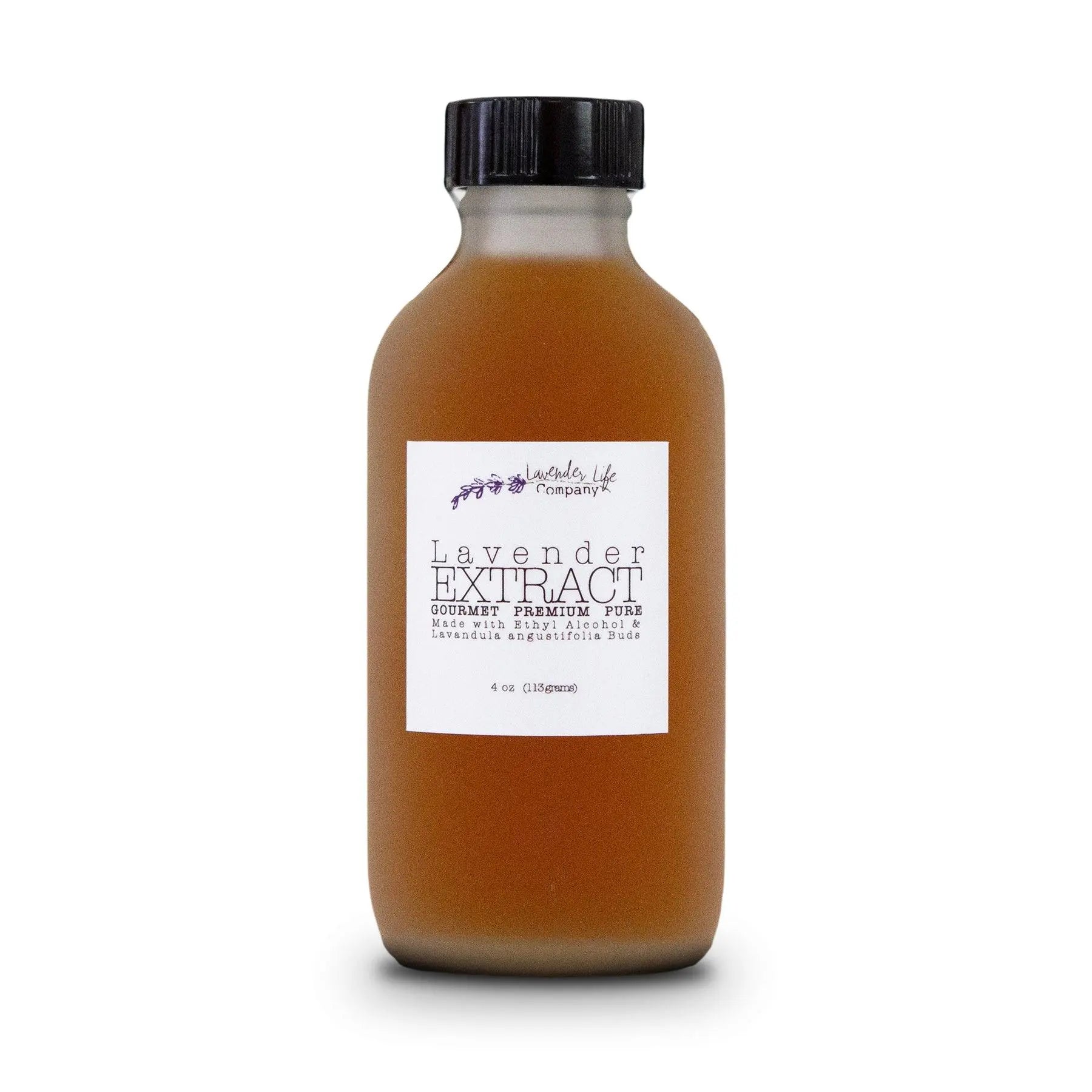
Absolutely! Lavender extract is a wonderful way to infuse that gentle flavor, especially in liquids like custards, icings, or beverages. Just remember that the extract is more concentrated. A good rule to follow is to start with about ¼ teaspoon of extract for every 1 teaspoon of dried buds called for in a recipe. You can always add another drop if you feel it needs more, ensuring a perfect, balanced flavor every time.
What is a simple, beginner-friendly recipe to try first?
We believe the most beautiful journeys start with a simple step. A lovely place to begin is by making lavender-infused sugar. Simply combine a cup of sugar with a tablespoon of dried lavender in a jar and let it sit for a week. It’s perfect for sweetening tea or coffee. Lavender shortbread cookies are another comforting classic that truly lets the gentle, floral notes shine through without being overwhelming. Both are a wonderful introduction to this soothing herb.