







Have you ever dreamed of infusing your baking with the lovely, calming scent of lavender, only to hesitate? If the fear of creating something that tastes more like perfume than a delicious treat has held you back, you are not alone. It’s a common worry that keeps this beautiful herb from finding its rightful place in the heart of the home: the kitchen. But we believe that using dried lavender for cooking should be a joyful and comforting experience, free from any guesswork or apprehension.
Consider this your warm, gentle guide to culinary lavender. Together, we will walk through how to choose the right variety, understand the perfect amount for just a whisper of floral flavor, and explore simple methods for adding its unique essence to everything from cozy scones to elegant savory dishes. Get ready to welcome a new layer of wholesome, handcrafted flavor into your cooking and create dishes that truly soothe the soul.
First, Choose the Right Lavender for Your Kitchen
Before you begin infusing your favorite recipes with the soothing aroma of lavender, it’s essential to start with a gentle foundation. Not all lavender is created equal, especially when it comes to your kitchen. Choosing the right kind is the most loving step you can take to ensure your dishes are safe, wholesome, and wonderfully delicious. Using high-quality dried lavender for cooking is the secret to unlocking its true, delicate flavor.
Culinary vs. Ornamental Lavender: A Crucial Difference
Many lavender varieties you find in garden centers or floral shops are grown for ornamental purposes. They are prized for their vibrant color and strong fragrance, which often comes from high levels of camphor. This compound can give the lavender a soapy or unpleasantly medicinal taste. For this reason, you should never use lavender from a florist or nursery in your food unless it is explicitly labeled as edible.
Why English Lavender is the Chef's Choice
For a flavor that is truly delightful, chefs and home cooks turn to English Lavender (Lavandula angustifolia). This species is celebrated for its sweet, floral notes with soft, gentle whispers of citrus. Its delicate profile enhances both sweet and savory dishes without overpowering them. While English Lavender is the most common choice, other varieties like Provence are also cultivated for their lovely, mild taste, making them beautiful additions to any home pantry.
How to Be Sure Your Lavender is Food-Safe
To bring that farm-to-table comfort into your home, it’s important to source your lavender with care. Here are a few simple tips to ensure the buds you choose are perfect for your next culinary creation:
- Look for clear labeling. Always choose packages specifically marked 'culinary grade' or 'food-grade'. This is your first and most important sign that the lavender is intended for consumption.
- Source from a place you trust. We recommend purchasing your dried lavender for cooking from reputable suppliers, specialty food stores, or directly from a lavender farm where quality is a priority.
- Choose organic when possible. Opting for organically grown culinary lavender guarantees no harmful pesticides were used, leaving you with nothing but pure, wholesome flavor for your family to enjoy.
Preparing Dried Lavender: Simple Techniques for Perfect Flavor
A little loving preparation is the secret to unlocking the beautiful, gentle flavor of lavender in your kitchen. Just like anything hand-crafted, taking a moment to prepare your ingredients brings warmth and intention to your final dish. How you treat the delicate buds directly impacts their flavor, ensuring a soft floral note rather than an overpowering one. These simple techniques help you control the intensity, making your experience with dried lavender for cooking a truly comforting one.
Using Whole Buds vs. Grinding into a Powder
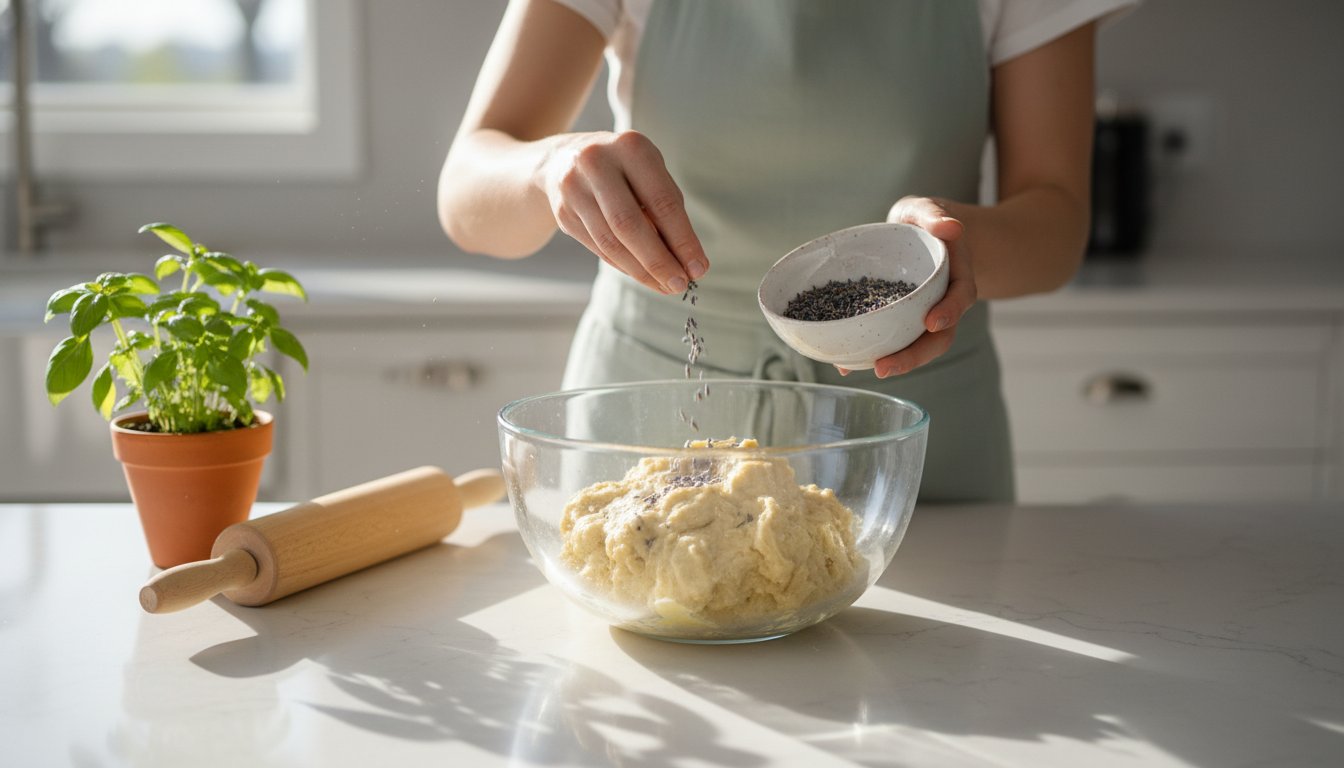
Think of whole lavender buds as a slow, gentle release of flavor. They are perfect for steeping in teas, infusing into syrups, or scattering as a lovely garnish. For a more immediate and robust taste in spice rubs or baked goods, grinding the buds into a fine powder is the way to go. You can use a clean spice grinder or a mortar and pestle. We suggest sifting the powder afterward to remove any tough bits for a perfectly smooth texture.
The Infusion Method: Gently Flavoring Liquids
Infusing is a wonderfully soothing way to add a whisper of lavender to liquids. To gently flavor milk, cream, or simple syrup, simply warm one cup of your liquid over low heat-be careful not to boil. Stir in one teaspoon of dried lavender buds, remove from the heat, and let it steep for 15-20 minutes. This gentle process is key; overheating or steeping too long can create a bitter flavor. For more tips on getting the balance just right and learning how to avoid a soapy taste, it's helpful to understand the properties of the herb. Once steeped, strain the liquid through a fine-mesh sieve to remove the buds.
Creating Your Own Lavender Sugar and Salt
Making your own lavender-infused staples is a simple joy and a wonderful way to keep this beautiful flavor on hand for everyday use. These also make heartfelt, hand-crafted gifts.
- Lavender Sugar: In a clean jar, combine 1 cup of granulated sugar with 1 tablespoon of dried lavender buds. Seal and shake gently. Let it sit for about a week, shaking occasionally, to allow the fragrant oils to infuse the sugar. Use it in baking or to sweeten your favorite cozy beverage.
- Lavender Salt: For a savory touch, blend 1 teaspoon of finely ground lavender with ¼ cup of sea salt. This aromatic salt is beautiful on roasted vegetables, chicken, or even lamb.
The Golden Rule: How to Avoid a Soapy Taste
Let's gently address the biggest worry when using dried lavender for cooking: the fear of a soapy flavor. It’s a common concern, but we’re here to reassure you that creating beautifully fragrant dishes-not soapy ones-is wonderfully simple. That overwhelming taste almost always comes from one of two small missteps: using a little too much, or using a lavender variety not meant for the kitchen. With a bit of care and mindfulness, you can unlock the lovely, subtle flavor of lavender every single time.
Think of these tips as your recipe for success, ensuring every dish is a comforting and delightful experience.
'A Little Goes a Long Way': Mastering the Dosage
The most important principle to remember is that lavender is potent, and a delicate touch is all you need. Always begin with a small amount; you can taste and add more if needed, but you can’t take it away. As a gentle starting point, try using just 1/4 to 1/2 teaspoon of dried lavender buds for a recipe that serves four people. Remember that ground lavender is even more concentrated than whole buds, so you’ll want to use even less.
Balancing Lavender with Other Flavors
Lavender loves company! Its distinct floral notes are beautifully softened and enhanced when paired with other complementary flavors. Think of it as a harmony in your dish. Bright, acidic, or rich ingredients help to mellow its profile and prevent it from becoming overwhelming. Some of our favorite companions for lavender include:
- Bright Citrus: Lemon, lime, and orange
- Sweet & Rich: Honey, dark chocolate, and vanilla
- Berries: Blueberries, blackberries, and strawberries
- Herbs: Rosemary and thyme
Converting Between Fresh and Dried Lavender
If your recipe calls for fresh lavender but you only have dried on hand, the conversion is simple. The flavor of high-quality dried lavender is much more concentrated. A good rule of thumb is to use one part dried lavender for every three parts fresh. For example, if a recipe needs 1 tablespoon of fresh lavender, you would use just 1 teaspoon of dried buds. Always be mindful of this potency when substituting to ensure a balanced, delightful result.
Sweet Inspirations: Using Dried Lavender in Baking & Desserts
Perhaps the most beloved way to bring the gentle, soothing essence of lavender into your home is through baking. A touch of dried lavender for cooking can transform a simple recipe into an elegant and memorable treat, infusing every bite with a whisper of floral sweetness and a comforting aroma. This is where lavender’s delicate flavor truly shines, adding a layer of sophisticated warmth to your favorite desserts.
If you’re just beginning your culinary lavender journey, these familiar and heartwarming ideas are the perfect place to start. Let these inspirations guide you in creating sweet moments of calm and joy in your kitchen.
In Classic Bakes and Pastries
Imagine the comforting scent of freshly baked goods, now elevated with a hint of floral perfume. Finely grinding dried lavender and adding it to your dry ingredients is a simple way to introduce its flavor. It pairs beautifully with buttery, simple recipes where its unique character can stand out.
- Cookies and Shortbread: Add a teaspoon of ground culinary lavender to your favorite sugar cookie or shortbread dough for an aromatic twist.
- Scones and Muffins: Mix lavender buds into lemon or blueberry scone batter for a delightful, tea-time-ready bake.
- Cakes and Glazes: Gently infuse lavender into a simple syrup to brush over a lemon pound cake or mix into a delicate glaze.
For Creamy Delights and Frozen Treats
Lavender’s floral notes are a dreamy match for rich, creamy textures. The key is to gently infuse the flavor into milk or cream. Simply warm your dairy with whole lavender buds, let it steep for 15-20 minutes, and then strain before using. This method imparts a smooth, consistent flavor perfect for:
- Custards: Create a truly special crème brûlée, panna cotta, or pot de crème.
- Ice Cream: Churn a batch of hand-crafted lavender or lavender-honey ice cream for a refreshing and elegant dessert.
- Simple Creams: Stir a pinch of ground lavender into Greek yogurt or whip it into fresh cream to top berries or scones.
In Refreshing Beverages
Carry the calming spirit of lavender into your favorite drinks. Whether you're starting your morning or winding down in the afternoon, a touch of lavender can make any beverage feel like a small, peaceful ritual.
- Lavender Simple Syrup: A must-have for sweetening lemonade, iced tea, or even sparkling water.
- Calming Herbal Tea: Steep a spoonful of whole lavender buds in hot water for a simple, soothing infusion.
- Aromatic Lattes: Add a tiny pinch of finely ground lavender to your coffee grounds before brewing for a subtle floral note.
Ready to fill your kitchen with the comforting scent of lavender? Find the perfect culinary lavender for your creations.
Savory Adventures: Bringing Lavender to the Dinner Table
When you think of using dried lavender for cooking, your mind might drift to sweet scones and delicate desserts. But we invite you to explore its other, more robust personality. In savory dishes, lavender offers a wonderfully complex, herbaceous note-think of it as a cousin to rosemary or thyme. It’s no surprise that it’s a key ingredient in the classic French blend, Herbes de Provence, adding a unique floral pepperiness that brings warmth and depth to countless meals.
Creating Aromatic Rubs and Marinades
One of the simplest ways to begin is by creating a fragrant rub for meats. Gently combine finely ground lavender with coarse salt, black pepper, and a touch of garlic powder. This wholesome blend adds a comforting, aromatic crust and is especially beautiful with:
- Chicken
- Lamb
- Pork
For a simple marinade, whisk together olive oil, fresh lemon juice, and a pinch of culinary lavender. It tenderizes the meat while infusing it with a soothing, sun-kissed flavor.
Pairing with Other Herbs
Lavender is a wonderful team player in the herb garden. It harmonizes beautifully with other strong, woodsy herbs without overpowering them. Try combining it with rosemary and thyme for a truly special seasoning blend. This trio is perfect for tossing with roasted vegetables like potatoes, carrots, and butternut squash, adding a comforting and aromatic touch to a simple side dish.
In Dressings and Sauces
A little lavender can bring a touch of magic to your favorite sauces and dressings. Gently warm honey with a few lavender buds and let it infuse for a delightful drizzle over goat cheese or a charcuterie board. For a simple salad dressing, add a tiny pinch of ground dried lavender for cooking to a classic balsamic vinaigrette. You can also create a luxurious lavender-infused butter sauce to pour over pan-seared fish or fresh pasta.
Exploring lavender's savory side is a rewarding way to bring a sense of calm and creativity to your dinner table. To begin your culinary journey, start with pure, culinary-grade lavender, like the kind we lovingly grow and hand-harvest right here at the Lavender Life Farm.
Embrace the Gentle Flavor of Lavender
As you've discovered, welcoming the lovely essence of lavender into your kitchen is a simple joy. By remembering to choose the right culinary variety and honoring the golden rule that a little goes a long way, you can gracefully avoid any soapy notes. From delicate desserts to surprisingly complex savory dishes, using dried lavender for cooking opens up a whole new world of comforting flavor.
To ensure your creations are filled with only the purest, sweetest notes, the quality of your lavender matters deeply. Grown with care on our Michigan Lavender Farm, our 100% natural, food-grade English Lavender is hand-crafted for the perfect taste. We invite you to begin your own culinary story with ingredients you can trust.
Ready to infuse your meals with a touch of calm? Explore our farm-grown culinary lavender and start your flavorful journey. We can’t wait to see the beautiful, comforting dishes you create.
Frequently Asked Questions About Cooking with Lavender
Can I use any dried lavender from my garden for cooking?
While it’s lovely to see lavender blooming in your garden, it’s best to use a specific culinary variety for your recipes. We recommend English lavender (Lavandula angustifolia) as it has a sweet, gentle flavor, unlike other types that can taste soapy. For your peace of mind and the most wholesome taste, always choose lavender that is grown without pesticides and is specifically intended for cooking. This ensures every dish is both safe and delicious.
How much dried lavender should I use in a recipe for four people?
A little lavender brings a wealth of flavor, so it’s best to start with a gentle touch. For a recipe that serves four people, we suggest beginning with just ½ to 1 teaspoon of dried lavender for cooking. This small amount will impart a beautiful, subtle floral note without overwhelming your dish. You can always add a tiny bit more if you like, ensuring your meal is perfectly balanced and full of comfort and love.
What flavors and ingredients pair best with culinary lavender?
Culinary lavender pairs beautifully with a surprising number of flavors, adding a touch of warmth to both sweet and savory dishes. For a cozy treat, try it with honey, lemon, dark chocolate, or berries like blueberries and blackberries. In savory cooking, it creates a wonderful harmony with herbs like rosemary and thyme, and it beautifully complements chicken, lamb, and even potatoes. These pairings help create truly memorable and comforting meals from the heart.
How should I properly store my dried culinary lavender to keep it fresh?
To keep your culinary lavender vibrant and full of its soothing aroma, proper storage is key. Simply place the dried buds in an airtight container, like a small glass jar, and store it in a cool, dark place such as a pantry or cupboard. Keeping it away from direct sunlight and heat will preserve its delicate flavor for up to a year, ensuring it’s ready whenever you wish to add a touch of handcrafted care to your cooking.
Is it better to use whole lavender buds or ground lavender in baking?
The choice between whole and ground lavender truly depends on the cozy creation you have in mind. Whole buds are perfect for gently infusing flavor into liquids like milk or syrups, which you can then strain for a smooth result. Ground lavender blends directly into batters and spice rubs for a more pronounced taste. For the most vibrant flavor, we love to grind the whole buds just before using them in our favorite baked goods.
Can I make lavender tea from the same lavender I use for cooking?
Absolutely! The same beautiful, culinary-grade lavender you use in your recipes makes a wonderfully calming cup of tea. It’s a simple way to create a moment of peace in your day. Just steep about one teaspoon of dried lavender buds in hot water for 3-5 minutes. For an extra touch of comfort, you can add a spoonful of honey or a squeeze of fresh lemon to your soothing brew. Enjoy that moment of calm.