







Lavender Tea and Raw Honey for Winter Immune Support

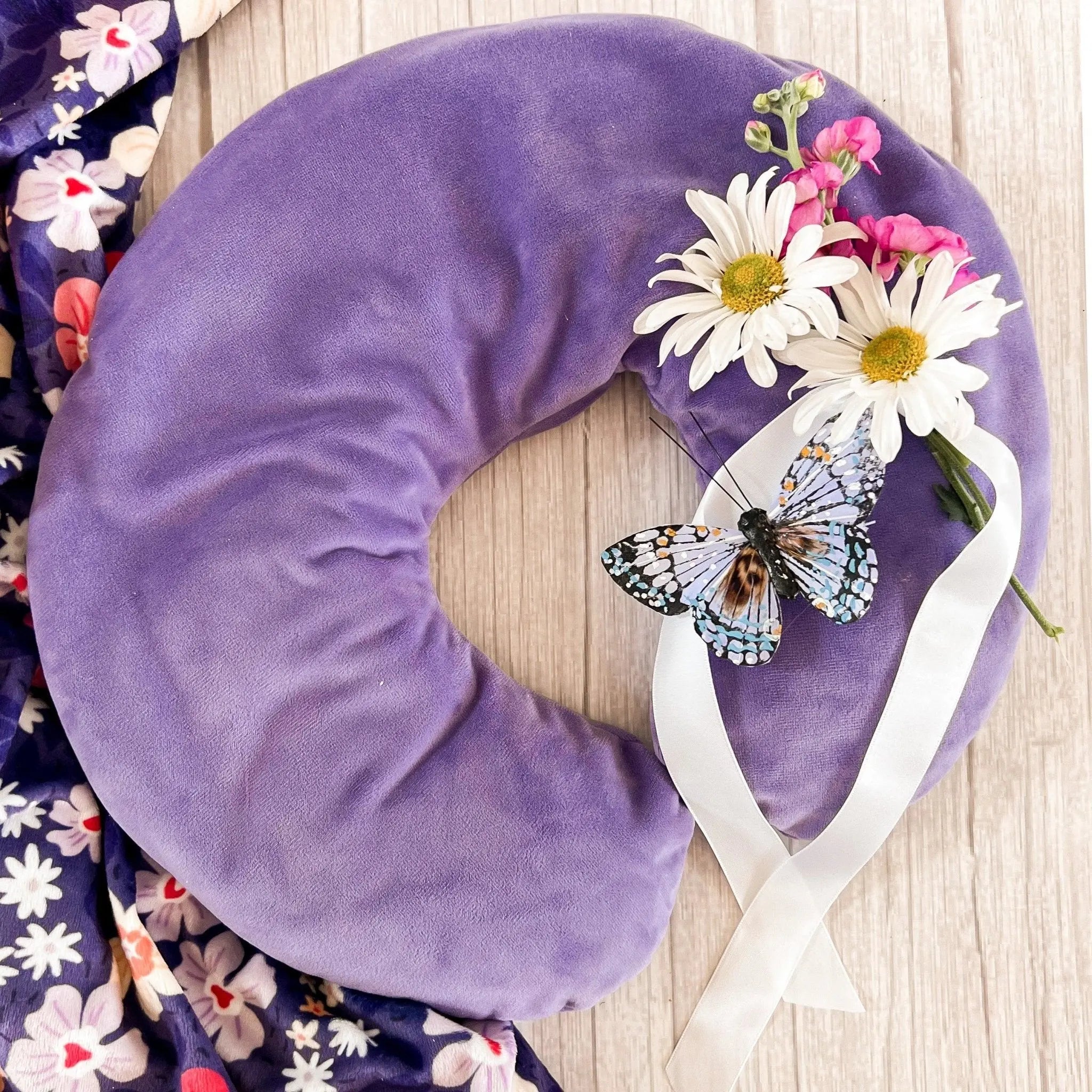
Lavender Life Tea and Honey Gift Set
When you feel run‑down every winter, you’re not imagining it. Cold, dry air, less sunlight, and more time indoors all put extra pressure on your immune system. While no tea can “cure” flu or replace medical care, a simple routine built around high‑quality lavender tea and raw honey can support sleep, stress balance, throat comfort, and overall resilience.
This article looks at how lavender and raw honey fit into an evidence‑informed winter wellness plan, with a special focus on farm‑grown lavender from Lavender Life Company and their LIFE Tea Collection.
Why Winter Is So Hard on Your Immune System
Several well‑known factors make colds and flu more common in colder months:
-
More time indoors: Viruses spread more easily when people are close together in enclosed spaces.
-
Dry air: Heated indoor air dries out the lining of your nose and throat, which normally helps trap and clear viruses.
-
Less sunlight: Lower vitamin D levels and changes in circadian rhythm may affect immune function and mood.
-
Higher stress, less sleep: Holiday schedules, work demands, and disrupted sleep all increase stress hormones that can weaken defenses.
Clinicians often emphasize basic pillars—sleep, stress management, good nutrition, and hand‑washing—as the foundation of immune support. Lavender tea and raw honey sit on top of those essentials, adding comfort and modest, research‑supported benefits.
How Lavender May Support Immune Health (Indirectly)
Lavender (Lavandula angustifolia) is best known for its calming and sleep‑supportive properties, not as a direct “immune herb.” However, what we know from clinical research suggests it can support the conditions your immune system needs to function well.
Stress, anxiety, and sleep
Human clinical trials using standardized lavender preparations (usually oils or capsules) have shown:
-
Reduced mild anxiety and nervousness compared with placebo
-
Improved sleep quality and shortened time to fall asleep in people with sleep complaints
These outcomes matter because chronic stress and poor sleep are linked to:
-
Higher levels of cortisol and other stress hormones
-
Increased susceptibility to respiratory infections
-
Slower recovery when you do get sick
While most trials use concentrated forms of lavender, a warm cup of lavender‑based tea in the evening can work along the same mind‑body pathways: signaling safety, relaxation, and readiness for sleep.
Antioxidant and anti‑inflammatory activity
Laboratory and animal studies suggest lavender contains:
-
Polyphenols and flavonoids with antioxidant properties
-
Compounds that may modulate inflammatory pathways
We should be cautious not to overstate this—these are not large human immune‑trials—but they support the traditional use of lavender for soothing, calming, and gentle support during times of physical and emotional stress.
Taken together, the most realistic clinical view is this: lavender tea will not “supercharge” your immune system, but it can:
-
Reduce perceived stress and tension
-
Support better sleep quality
-
Provide mild antioxidant and anti‑inflammatory support
All of those help create an internal environment in which your immune system can work more effectively.
Why Source Matters: Farm‑Grown Lavender and the LIFE Tea Collection
Not all lavender is grown or handled the same way. For something you’ll drink daily, quality and transparency matter.
Lavender Life Company (lavender-life.com) focuses on farm‑grown, small‑batch lavender products, including their LIFE Tea Collection. Using a curated blend like this can offer several practical advantages:
-
Culinary‑grade flowers: You know the lavender is intended for consumption, not just for potpourri or decoration.
-
Better preservation of aroma and oils: Careful harvesting and drying help retain the natural essential oils that contribute to flavor and potential benefits.
-
Consistent experience: A well‑designed blend is less likely to be too bitter, harsh, or weak from cup to cup.
From a clinical perspective, consistency is important: a daily ritual only works if people actually enjoy and stick with it. Having a reliable, pleasant‑tasting lavender tea—like one from the LIFE Tea Collection—makes it much easier to keep up a supportive winter routine.
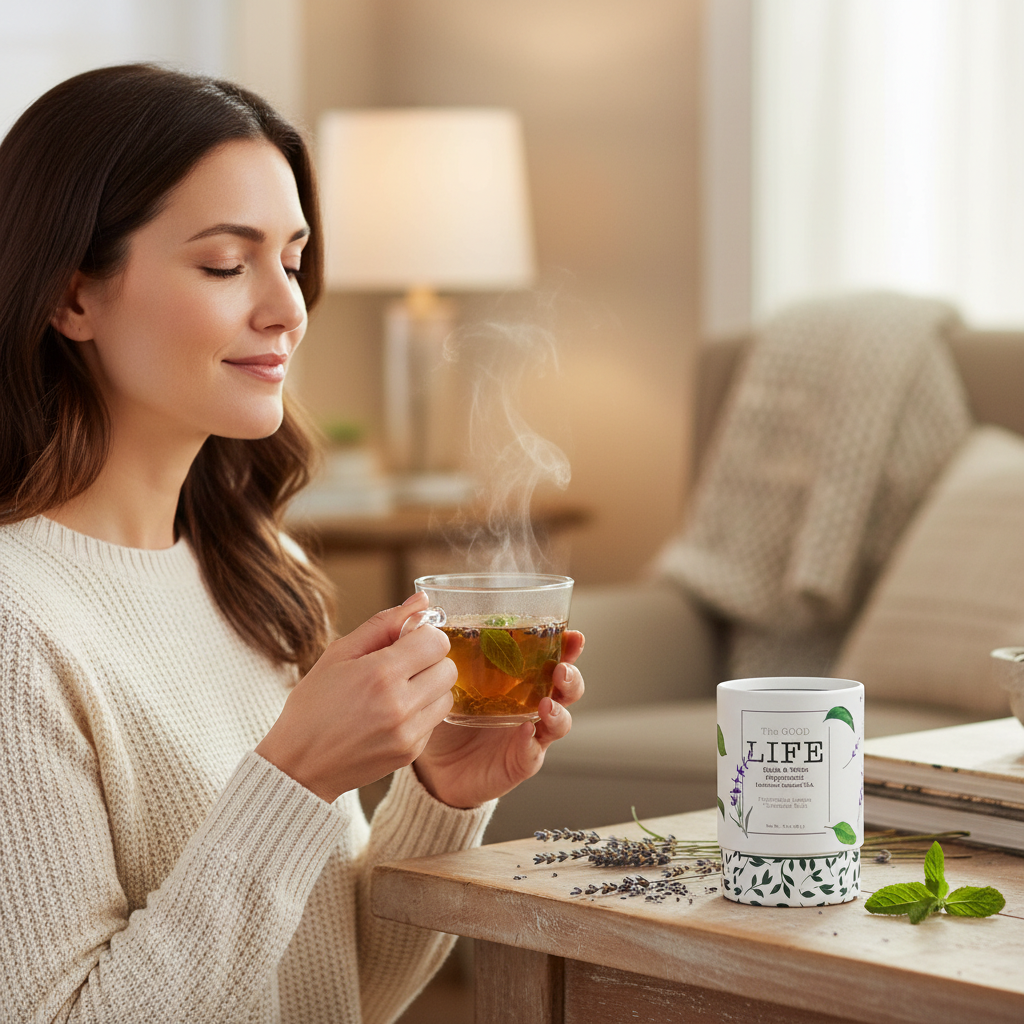
Image suggestion: Insert a product photo of a lavender‑based tea from Lavender Life Company’s LIFE Tea Collection here.
What the Evidence Says About Raw Honey for Coughs and Colds

Raw honey is one of the few traditional remedies that has been tested directly in human trials for upper‑respiratory infections.
Cough relief and better sleep
Several randomized trials in children with viral upper‑respiratory infections have found that a small dose of honey before bed:
-
Reduces cough frequency and severity
-
Improves sleep for both children and their parents
In at least one well‑known study, honey performed as well as or better than a common over‑the‑counter cough suppressant. Based on this evidence, many pediatric and respiratory guidelines now consider honey a reasonable option for cough relief in children over one year of age.
Antimicrobial and soothing properties
Laboratory studies show that honey:
-
Has broad antibacterial activity, due to its acidity, high sugar content, and natural enzymes
-
Contains antioxidants and phytonutrients that may help modulate inflammation
-
Forms a protective, soothing coating over irritated throat tissue
This does not mean honey can cure flu or kill every virus, but it supports its traditional use to:
-
Calm a sore, scratchy throat
-
Ease the urge to cough
-
Provide gentle, short‑term symptom relief
Safety note: Raw honey should never be given to children under 12 months of age due to the risk of infant botulism.
Building a Winter “Clinical‑Style” Tea Ritual

When clinicians talk about evidence‑informed self‑care, they often focus on realistic, sustainable habits—not miracle cures. A nightly cup of lavender tea with raw honey is one such habit.
How to prepare immune‑supportive lavender tea with honey
-
Choose a quality lavender blend
-
Use a lavender‑based herbal tea designed for drinking, such as a blend from Lavender Life Company’s LIFE Tea Collection.
-
-
Brew it properly
-
Steep 1–2 teaspoons of the blend (or 1 tea bag) in freshly boiled water for 5–10 minutes, covered, to capture the aromatic components.
-
-
Add raw honey (for adults and children over 1)
-
Let the tea cool slightly so it’s warm, not scalding.
-
Stir in 1–2 teaspoons of raw honey. This amount is in line with clinical studies that used small, bedtime doses for cough.
-
-
Use timing to your advantage
-
For sleep and stress: enjoy 1 cup in the evening, 30–60 minutes before bed.
-
For cough and sore throat: sip slowly, especially before bed or during nighttime awakenings.
-
How this helps in practice
From a clinical reasoning standpoint, this simple ritual can:
-
Support a more relaxed nervous system before sleep
-
Provide a mild, evidence‑supported cough remedy (via honey)
-
Encourage hydration, which helps thin mucus and support mucosal defenses
-
Create a consistent signal to your body that it’s time to wind down and recover
None of this replaces vaccines, prescribed medications, or medical evaluation when needed—but it is a meaningful, low‑risk layer of support.
Image suggestion: Insert a close‑up photo of a LIFE Tea Collection cup with a drizzle of raw honey being added.
Who Should Be Cautious
Even gentle remedies like lavender tea and raw honey are not for everyone. It’s wise to speak with a healthcare professional if you have questions about your specific situation.
You should use extra caution or seek medical advice if:
-
You are pregnant or breastfeeding
-
Lavender is generally considered mild, but safety data in pregnancy and breastfeeding are limited.
-
-
You have a history of severe allergies
-
Especially to lavender, other Lamiaceae herbs (like mint), or bee products.
-
-
You have diabetes or need strict blood sugar control
-
Honey is a concentrated source of carbohydrates; discuss appropriate amounts with your clinician.
-
-
You are taking sedating medications
-
Because lavender has a calming effect, combining it with other sedatives may increase drowsiness.
-
-
You are considering honey for a child
-
Never give honey to a child under 12 months. For older children, check with a pediatrician if there are chronic health issues or frequent infections.
-
Always seek prompt medical care if you or a family member has high fever, trouble breathing, chest pain, confusion, or symptoms that are rapidly worsening.
Bringing It All Together
Lavender tea and raw honey will not make you “flu‑proof,” but they fit well into an evidence‑informed winter strategy focused on sleep, stress balance, throat comfort, and daily rituals that support the body’s own defenses.
Using farm‑grown, carefully blended lavender—such as the LIFE Tea Collection from Lavender Life Company—gives you a consistent, enjoyable way to build that ritual. Adding a modest amount of raw honey provides a soothing, research‑supported option for cough and sore throat relief in adults and older children.
Paired with basics like good nutrition, hand‑washing, movement, and appropriate medical care, this simple cup can become one of the most comforting parts of staying well through winter.