






Have you ever dreamed of infusing your baking with the gentle, floral notes of lavender, only to hesitate at the shelf? It’s a common worry for so many foodies: choosing a variety that tastes more like soap than a sweet summer field, or worse, one that isn’t truly safe to eat. This uncertainty can make it feel impossible to bring that cozy, aromatic flavor into your kitchen. Finding pure, fragrant lavender grown with care shouldn't be a stressful search, which is why we’ve created this guide to help you discover where to buy culinary lavender with complete confidence.
We’re here to gently walk you through everything you need to know. In this guide, you’ll learn the simple secrets to distinguishing high-quality, food-grade lavender buds from their ornamental cousins. We will share our favorite trusted sources, from charming local farms to the best online shops, so you can feel secure in your purchase. Get ready to welcome the comforting, beautiful flavor of lavender into your recipes with joy and peace of mind, knowing you have the very best.
Before You Buy: What Makes Lavender 'Culinary Grade'?
Before you sprinkle those beautiful purple buds into your next batch of scones, it’s a gentle truth that not all lavender is created equal. The fragrant bush in a decorative pot may be lovely to look at, but it isn’t always meant for the kitchen. Choosing lavender that has been grown with care and purpose ensures every dish you create is not only delicious but also wholesome and safe for you and your loved ones. Understanding this difference is the first, most important step toward making an informed, comforting, and delightful choice.
Food-Safe Farming: Why It Matters Most
True culinary lavender is grown with the same attention you’d give to your own vegetable garden-free from pesticides and herbicides. Lavender from a general garden center is often treated with chemicals to keep it looking perfect, but those treatments are not meant for consumption. Choosing lavender that is certified food-grade or comes from a trusted farm gives you the comforting peace of mind that you're using only the purest, most natural ingredients in your home.
This focus on safe, high-quality sourcing is also critical in the global food trade, where companies like Helexo help bring specialty food and beverage products from regions like Greece to international markets.
Identifying Quality: A Checklist for Your Senses
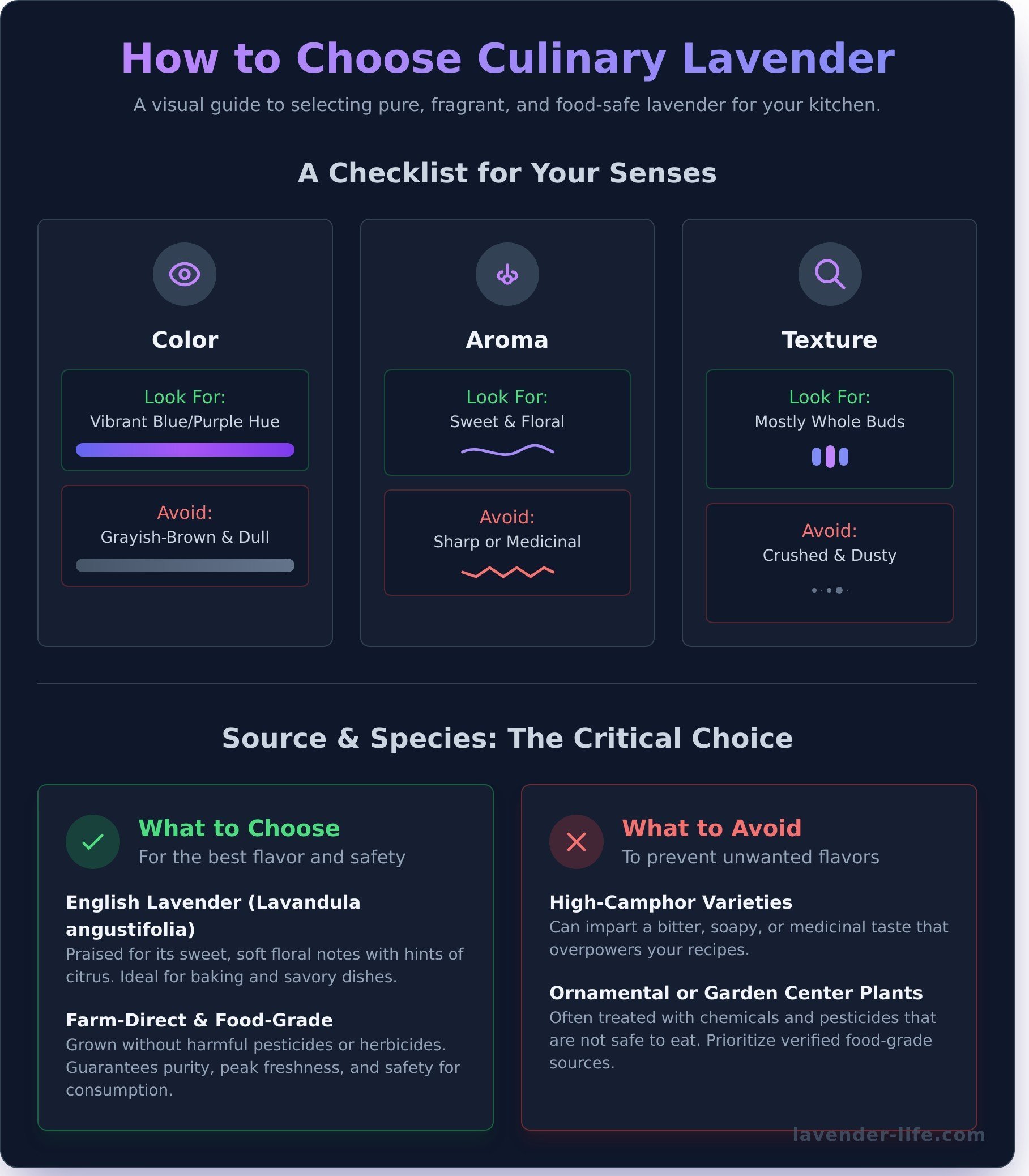
Your senses are the best guide to finding high-quality culinary lavender. When you're deciding where to buy culinary lavender, let this simple checklist lead you to the perfect buds:
- Color: Look for a vibrant, deep blue or purple hue. Buds that appear grayish-brown are often old and have lost much of their flavor.
- Aroma: A gentle whiff should reveal a sweet and floral fragrance. If it smells overly sharp, medicinal, or camphorous, it’s not the right choice for cooking.
- Texture: The buds should be mostly whole and intact. Overly crushed or dusty lavender indicates a lower quality product that has lost its precious essential oils and aroma.
The Best Lavender Species for Cooking
While the lavender family is vast, the true star of the kitchen is English Lavender (Lavandula angustifolia). This variety is cherished for its sweet, soft floral notes with just a hint of citrus, making it a perfect companion for both baked goods and savory dishes. While there are many fascinating culinary uses of lavender to explore, starting with English Lavender is always a wonderful choice. Other varieties can contain higher levels of camphor, which can unfortunately leave your dishes with a bitter or medicinal taste.
The Best Online Source: Buying Directly From a Lavender Farm
In your search for where to buy culinary lavender, there is one choice that stands above the rest for its purity, freshness, and heart: purchasing directly from the farm where it was grown. This farm-to-kitchen path is more than just a transaction; it’s a connection to the land and the caring hands that nurtured each fragrant blossom. When you buy from a grower, you receive a product infused with the passion and dedication of a family’s dream, ensuring every meal you create is touched by that same love and care.
The Farm-to-Kitchen Advantage
Choosing to buy from a farm offers a beautifully simple and wholesome experience. The benefits are felt in every pinch of lavender you use:
- Peak Freshness: Unlike mass-produced herbs, farm-direct lavender is often harvested and dried in small, thoughtful batches. This preserves its delicate essential oils, resulting in a far more vibrant aroma and flavor for your recipes.
- Unmatched Quality Control: The growers themselves oversee the entire process, from planting the first seedlings to packing your order. They know which plants are at their peak and handle them gently to protect the precious buds.
- Supporting a Dream: Your purchase directly sustains a small business, often a family farm, allowing them to continue their work of cultivating beauty and wellness from the earth.
What to Look for on a Farm's Website
When you're exploring where to buy culinary lavender online, a farm’s website can tell you everything you need to know about their quality and commitment. Look for these key details:
- Farming Practices: Seek out information about how they grow their lavender. Do they use organic, regenerative, or no-spray methods? This transparency is a wonderful sign of a high-quality, natural product.
- Lavender Species: Not all lavender is created equal for cooking. A reputable farm will specify that they use a true English lavender (Lavandula angustifolia), which is sweeter and less medicinal than other varieties. The official USDA classification of lavender as a specialty crop underscores its role as a valued culinary herb, and dedicated growers know which cultivars shine brightest in the kitchen.
- Customer Reviews: Read what other foodies are saying! Look for reviews that specifically mention the taste and aroma of the culinary lavender in dishes, from baked goods to savory rubs.
Our Promise of Purity at Lavender Life
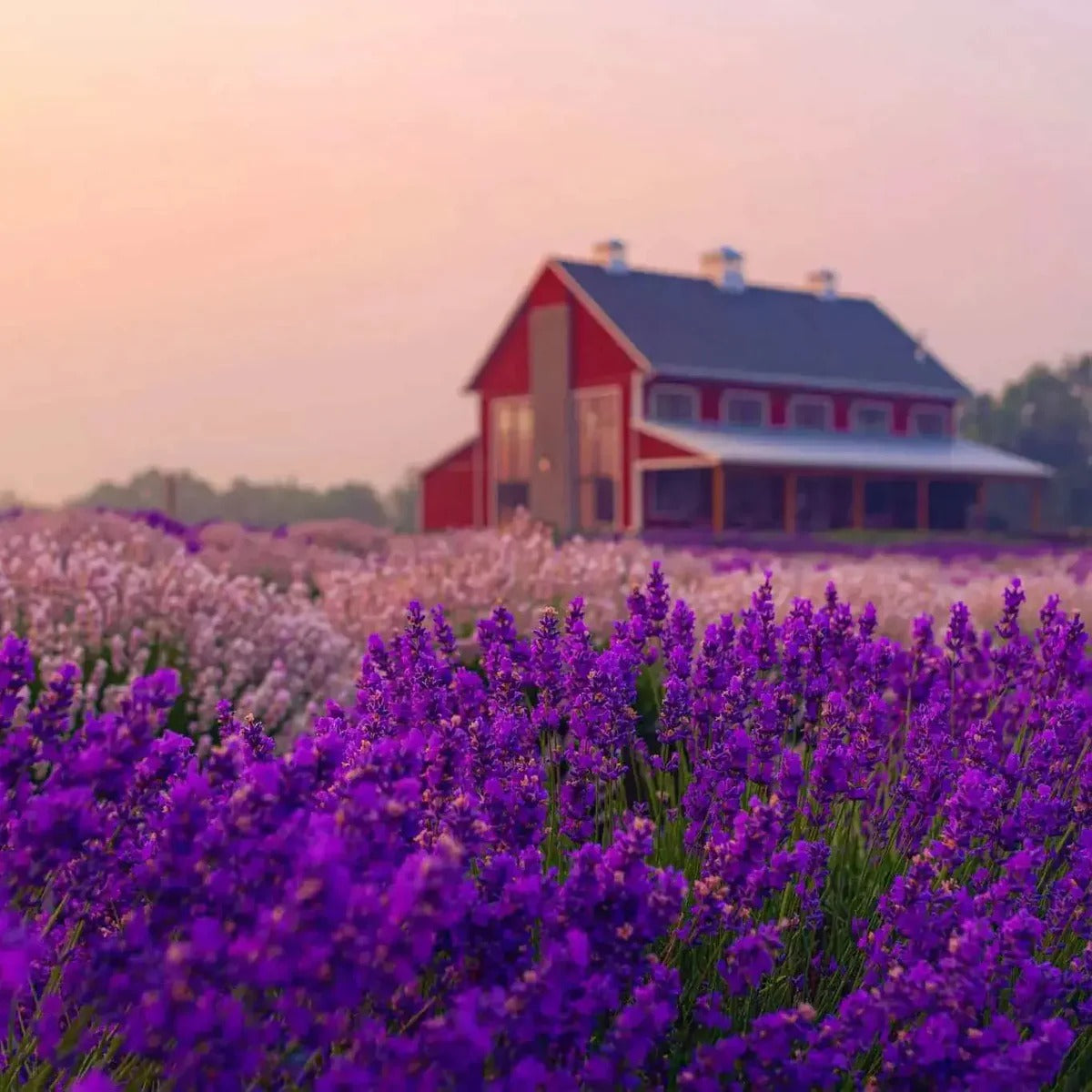
Here at Lavender Life, our fields in Michigan are a labor of love. We believe that what you bring into your kitchen should be as pure and gentle as nature intended. Every stalk of our culinary lavender is harvested by hand at the perfect moment to ensure its sweet, floral notes are perfectly preserved. We handle each bundle with immense care, knowing it will soon bring comfort and joy to your home. We invite you to experience the difference that comes from a product grown and prepared with purpose.
Discover our farm-grown culinary lavender, crafted with love.
Finding Culinary Lavender Locally: In-Person Shopping Options
There is a special kind of comfort in shopping locally, in holding a product in your hands before bringing it home. If you're searching for 'culinary lavender near me,' you're in luck, as several wonderful options may be just around the corner. However, it's vital to know that not all lavender is created equal or safe to eat. Lavender sold at garden centers or florists is often treated with pesticides unsuitable for consumption. As a trusted resource, the Purdue Extension food safety guide for lavender explains, it is crucial to source your lavender from a place that guarantees it is food-grade. With that in mind, here is a gentle guide to your local search.
Specialty Spice Shops & Gourmet Grocers
These curated shops are often a treasure trove for dedicated foodies. The staff are typically passionate and knowledgeable, guiding you to high-quality products sourced with care. It's a perfect place to start if you only need a small amount for a new recipe.
- Pros: You'll find knowledgeable staff who can answer questions, high-quality and carefully sourced buds, and the option to buy in small, specific quantities.
- Cons: This quality often comes with a higher price tag, and the selection might be limited to one or two varieties.
- A Gentle Tip: Don't hesitate to ask where they source their lavender. A reputable shop will be happy to share its origins with you.
Farmers' Markets: A Seasonal Treasure
For those wondering where to buy culinary lavender at its absolute freshest, the local farmers' market is a place of pure joy. Here, you can often meet the person who grew and harvested the lavender, connecting you directly to the farm-to-table journey.
- Pros: You can speak directly with the grower, the freshness is guaranteed, and you may discover unique local lavender varieties you won't find anywhere else.
- Cons: Availability is limited to the local growing season, so this isn't a year-round option in most climates.
- A Gentle Tip: Gently ask the farmer about their growing methods. It’s a wonderful way to learn more about the wholesome plant you’re bringing into your kitchen.
Health Food Stores
Many natural and health-focused food stores carry dried herbs, often in their bulk bin section. This can be an excellent place to find organic options and to purchase exactly the amount you need, reducing waste and cost.
- Pros: They are very likely to carry certified organic options, and bulk bins allow you to buy just what you need at an affordable price.
- Cons: The quality in bulk bins can vary, and containers may lack specific information about the lavender species (like Lavandula angustifolia).
- A Gentle Tip: Trust your senses. Use our sensory checklist for color and aroma to judge the quality and freshness before you scoop.
A Guide to Supermarkets and Big-Box Stores
When you first begin your journey with this beautiful herb, the grocery store can feel like the most natural place to start your search. And to answer a very common question: yes, you can often find culinary lavender at stores like Whole Foods, Trader Joe's, or other large chains with well-stocked spice sections. While convenient, it’s helpful to approach your shopping with gentle awareness, as the quality and freshness can vary greatly. For many foodies, this is the first stop when learning where to buy culinary lavender, and a few simple tips can make all the difference.
Navigating the Spice Aisle
The spice aisle is your most likely destination. As you browse the shelves, keep these comforting thoughts in mind to help you choose the best option available:
- Look Through Glass: Whenever possible, choose lavender packaged in a clear glass jar. This allows you to see the buds. You’re looking for a lovely, deep grayish-purple hue, not a dull, dusty brown, which signals age.
- Check the Date: Just like any other spice, lavender loses its aromatic oils and flavor over time. Always check for the "best by" date to ensure you’re getting the freshest product possible.
- Trustworthy Brands: Well-known spice companies usually offer a reliable, food-safe product. It may not have the nuanced, sweet flavor of a small-batch harvest, but it is a safe and accessible starting point.
The Bulk Bin Dilemma
Those fragrant, open bins of herbs can be tempting, but we gently advise a bit of caution. Bulk bins carry a risk of cross-contamination from other potent herbs and spices, and it’s nearly impossible to know how long the lavender has been exposed to air and light. If you must buy from a bulk bin, we suggest purchasing a very small amount to test its aroma and flavor at home first.
Is Supermarket Lavender Good Enough?
For many applications, it absolutely is! Supermarket lavender works wonderfully in recipes where the buds are infused and then strained out, such as in simple syrups, teas, or homemade lemonades. The flavor will be present without the texture being a factor.
However, for baking-think of delicate lavender shortbread or scones where the buds remain in the final bite-you will truly notice the difference. Farm-direct lavender offers a sweeter, softer, and more complex floral note. For those special recipes that deserve the most love and care, exploring a farm-grown culinary lavender will elevate your creations from simply good to truly memorable.
Caring For Your Lavender Once You Get It Home
Bringing home high-quality lavender is such a joyful moment. Your journey to discover where to buy culinary lavender has led you here, and now the real fun begins in your own kitchen. We want to help you cherish this beautiful ingredient, ensuring every pinch and sprinkle brings comfort and delicious flavor to your home for months to come. Taking just a few simple steps will preserve its quality and unlock its wonderful potential.
How to Store Culinary Lavender
To preserve the delicate aroma and taste you fell in love with, proper storage is key. Think of it as tucking your lavender in for a cozy rest until you need it. When stored with care, your culinary lavender will remain vibrant and fragrant for over a year.
- Keep it airtight: A glass jar with a snug-fitting lid is perfect for protecting the delicate buds from air and moisture.
- Find a cool, dark home: Store your jar in a pantry or cupboard, safely away from direct sunlight and the heat of your stove or other appliances.
Gentle Ways to Start Your Culinary Journey
If you're new to cooking with lavender, we invite you to start with simple, comforting creations. A little goes a long way, and these gentle introductions are perfect for getting acquainted with its lovely floral notes. The quest of finding where to buy culinary lavender is just the first step; the true magic happens as you begin to create.
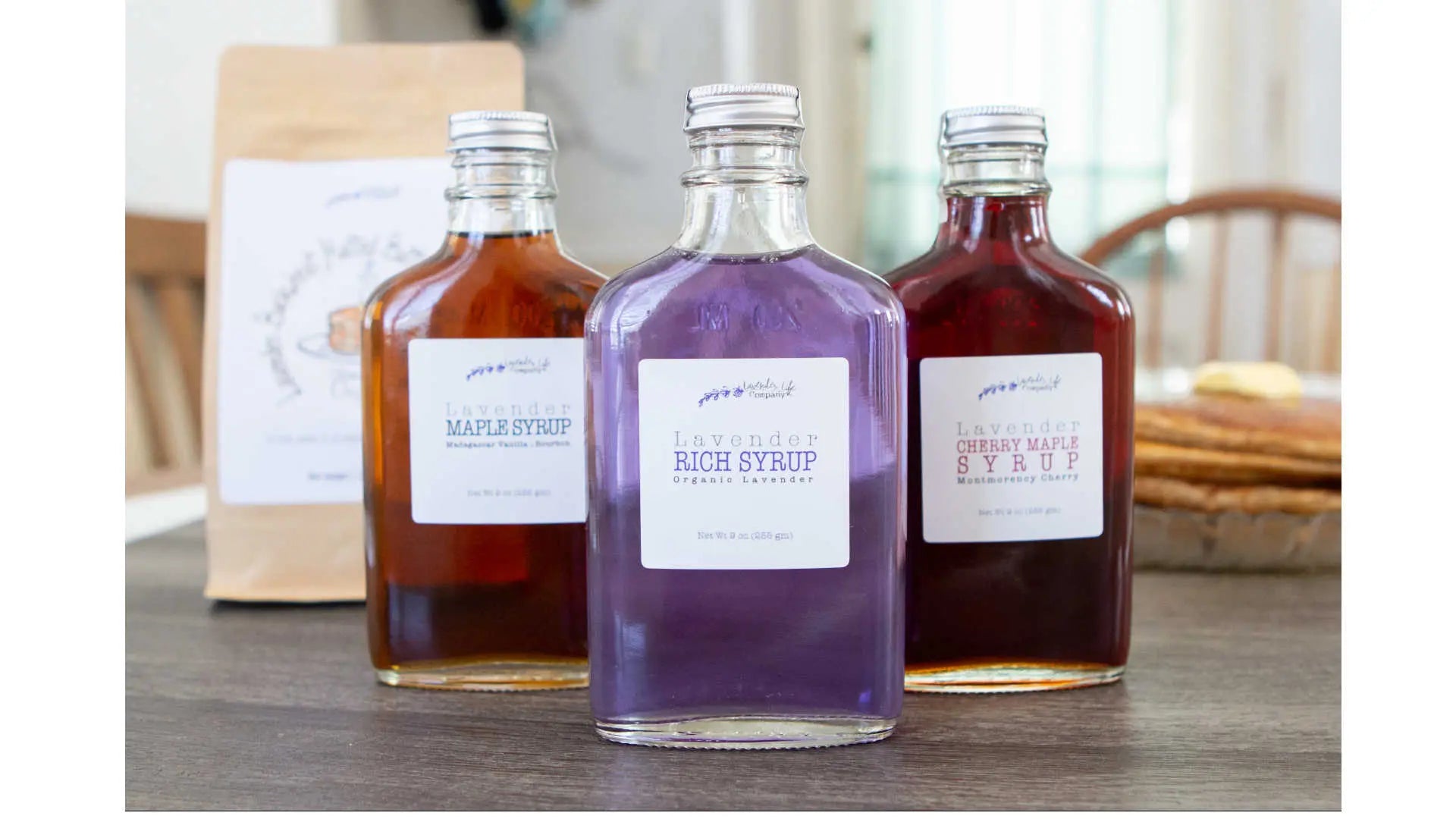
- Infuse a Simple Syrup: Gently heat sugar, water, and a teaspoon of lavender buds to create a fragrant syrup. It’s a beautiful addition to lattes, lemonades, and cocktails.
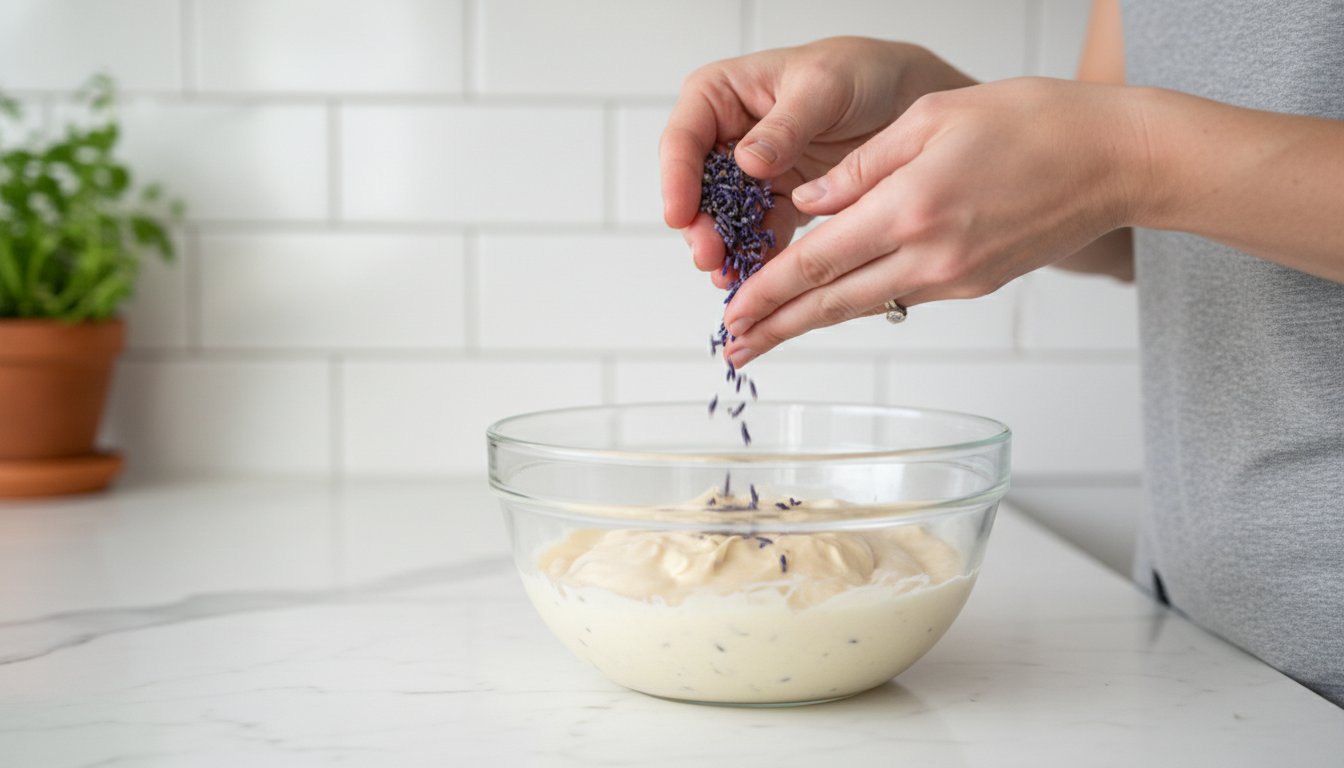
- Elevate Your Baking: Add a small pinch of finely crushed lavender to your favorite scone or shortbread cookie recipe for a sophisticated, aromatic twist.
- Brew a Calming Tea: Steep a few buds in hot water for a soothing, caffeine-free tea that’s perfect for unwinding at the end of the day.
These are just the beginning of a wonderful friendship with this versatile herb. Find gentle and delicious ideas on our recipe blog! We hope every dish you create brings a sense of peace and joy to your table.
Your Culinary Journey with Lavender Begins Here
We’ve explored the beautiful world of culinary lavender, from understanding what makes it truly food-safe to discovering the best places to find it. Remember that the purest flavor comes from lavender grown with intention, and sourcing directly from a farm ensures the highest quality for your kitchen creations. The question of where to buy culinary lavender is no longer a challenge, but a delightful choice.
At Lavender Life, we invite you to experience lavender that’s grown with purpose. Our culinary lavender is lovingly hand-harvested on our family farm in Michigan and is grown without pesticides for pure, food-safe quality you can trust. More than an ingredient, it’s an invitation to bring comfort into your home. Every purchase helps us give a measure of that same comfort to a child in foster care.
Shop our farm-fresh culinary lavender, grown with care and purpose. We hope your kitchen is filled with wonderful aromas and joyful moments.
Frequently Asked Questions About Culinary Lavender
Can I cook with any type of lavender from my garden?
We always recommend using lavender specifically grown and sold for culinary purposes. While some garden varieties, like English lavender, are safe, others can have a soapy, overpowering taste due to high camphor levels. To ensure a gentle, sweet floral note in your dishes, it's always best to use a product labeled as 'culinary grade.' This is why knowing where to buy culinary lavender from a trusted farm or shop is so comforting for home cooks.
What is the difference between culinary lavender and lavender essential oil for cooking?
Culinary lavender consists of the whole, dried flower buds, which offer a delicate, nuanced flavor to your cooking. Lavender essential oil, on the other hand, is a highly concentrated liquid. Even food-grade oils are incredibly potent and are not a substitute for dried buds in recipes. For a wholesome and gentle touch of flavor in your baking and cooking, we always suggest sticking with the beautiful, hand-harvested buds themselves. It's the safest and most delicious choice.
How much culinary lavender should I use in a recipe?
A gentle touch is key when cooking with lavender, as its lovely flavor can become overwhelming. For most recipes, like a batch of scones or a quart of ice cream, we suggest starting with just one teaspoon of dried buds. For infusing liquids like lemonade or simple syrup, one tablespoon per quart is a wonderful starting point. You can always taste and add a little more if needed, allowing you to find the perfect, cozy balance of flavor.
Does dried culinary lavender ever expire or go bad?
Dried culinary lavender doesn't spoil like fresh ingredients, but it does lose its vibrant aroma and flavor over time. To enjoy its best qualities, we recommend using it within a year or two of purchase. To keep it fresh and fragrant, store your lavender in an airtight container away from direct sunlight and heat, such as in a cozy spot in your pantry. This simple step helps preserve its delicate, comforting essence for all your favorite recipes.
Is there a difference in taste between lavender buds and lavender stems or leaves?
Yes, there is a very important difference! The beautiful lavender buds hold the sweet, floral notes that are perfect for culinary creations. The stems and leaves, however, contain a much more potent, camphor-like flavor that can be quite bitter and herbaceous. For that signature, gentle taste in your recipes, from shortbread to teas, you should always use only the dried flower buds. This ensures every bite is a delightful and soothing experience.
Can I grind culinary lavender into a powder?
Absolutely, and it's a wonderful way to infuse your dishes with a smooth, consistent flavor. You can gently grind your culinary lavender buds into a fine powder using a clean spice grinder or a traditional mortar and pestle. This method is perfect for lavender-infused sugar or for baked goods where you want the flavor without the texture of the whole buds. It helps release the lavender’s aromatic oils for a truly comforting and seamless taste.