







Have you ever stood beside a fragrant lavender bush, perhaps in your own garden, and wondered if its beautiful buds were safe to sprinkle into your baking? Or maybe you’ve tried a lavender-infused recipe, only to be met with a disappointing, soapy flavor that left you feeling discouraged. It’s a common hesitation that leads so many of us to ask, is all lavender edible? The fear of accidentally choosing the wrong kind for your family is a real concern, and it can take the joy right out of bringing this calming herb into your kitchen.
Take a gentle breath. We’re here to bring you comfort and clarity. In this soothing guide, we'll lovingly walk you through the simple differences between the lavender varieties that are delicious and the ones best left for fragrance. You’ll gain the confidence to select the perfect, sweet-smelling buds for your recipes, understand why some are better for cooking, and know exactly where to find pure, food-grade lavender you can trust. It’s time to replace worry with the warmth of creating something truly special.
The Simple Answer: Not All Lavender is Created Equal for Cooking
When you dream of baking with lavender, you might wonder, is all lavender edible? The simple, comforting answer is no, but not in a way that should cause you worry. The main distinction between lavender varieties isn't about danger, but about delight. While most types of lavender won't harm you if ingested in small amounts, many are simply not pleasant to eat and can lend a harsh, perfume-like flavor to your cherished recipes.
The key to creating beautiful, fragrant dishes is understanding that flavor, not toxicity, is the most important factor. The beautiful genus of Lavender (Lavandula) is incredibly diverse, with some varieties grown for their potent essential oils and others cultivated specifically for their gentle, sweet flavor profile. Choosing the right one is the first step toward culinary success.
Toxic vs. Unpalatable: A Comforting Clarification
Please rest assured, true lavender poisoning is exceptionally rare. The term ‘inedible’ in this context almost always means unpalatable. Lavenders with high camphor content-often used for fragrances and oils-can taste medicinal, pine-like, or even soapy. Culinary lavender, on the other hand, is carefully grown to have a low camphor level, ensuring a sweet, floral note that beautifully complements both sweet and savory dishes.
Why 'Culinary Grade' Matters for Your Health
Beyond flavor, it's vital to choose lavender that is safe to eat. Lavender purchased from a florist or garden center is often treated with pesticides and chemicals not approved for consumption. ‘Culinary grade’ is your promise of safety. It means the lavender was grown with the intention of being eaten-without harmful sprays and in conditions that ensure it is pure, wholesome, and ready for your kitchen.
So, while the answer to 'is all lavender edible?' is a gentle no, the path to cooking with it is simple and safe. By choosing the right type of lavender, you open up a world of calming, aromatic, and truly delicious possibilities. Now, let's explore the specific varieties that will bring comfort and joy to your table.
Meet the Lavender Family: The Best Varieties for Your Plate
Stepping into the world of culinary lavender can feel like exploring a new garden, full of wonderful possibilities. But just like you wouldn't use a tart Granny Smith apple in a recipe that calls for a sweet Honeycrisp, not all lavender is created equal for the kitchen. So, to answer the question "is all lavender edible?", the simple answer is yes, but the more helpful answer is that only certain varieties will bring that delightful flavor you’re looking for.
Let's gently walk through the three most common types of lavender you'll encounter, so you can choose the perfect one for your next comforting creation.
The Chef's Choice: English Lavender (Lavandula angustifolia)
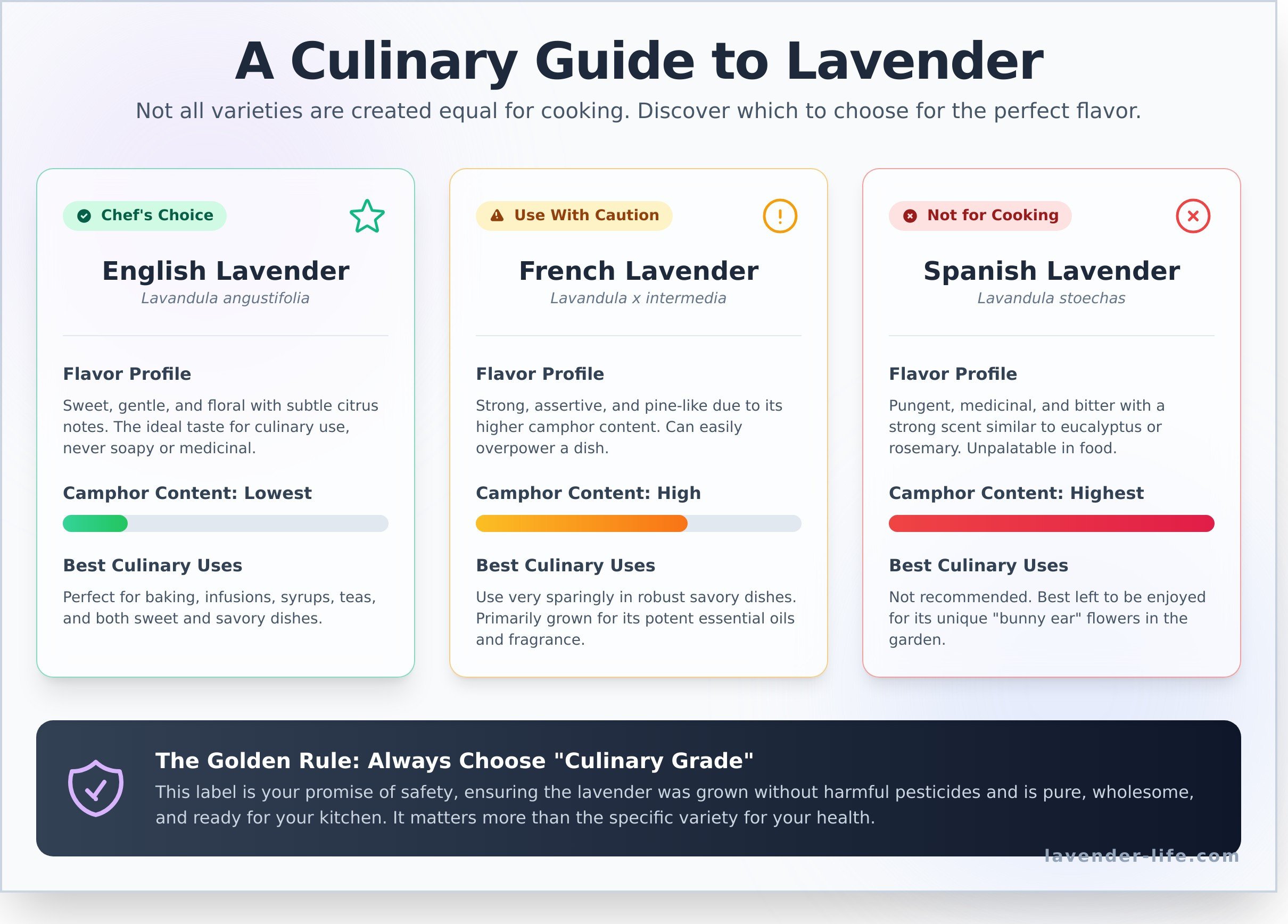
This is the gold standard for culinary creations. English lavender is celebrated for its sweet, gentle floral notes with soft whispers of citrus. It has the lowest camphor content, which means its flavor is never medicinal or soapy. Look for popular cultivars like 'Munstead' and 'Hidcote', as these are the varieties most often grown and sold specifically for cooking. From lavender lattes to shortbread cookies, this is your go-to for a truly beautiful taste.
Use with Caution: French Lavender/Lavandin (Lavandula x intermedia)
French lavender, a hybrid of English and Spike lavender, is what many of us picture when we think of the fragrant fields of Provence. While lovely, it has a much stronger, more assertive personality. This is because it has a significantly higher concentration of camphor, a compound that gives it a potent, pine-like aroma. Scientific studies on the camphor content in lavender confirm these differences between species. While you can use it for cooking, do so with a very gentle hand, as it can easily overpower a dish.
Best Left in the Garden: Spanish Lavender (Lavandula stoechas)
Easily identified by its charming "bunny ear" petals, Spanish lavender is a feast for the eyes but not for the palate. It contains the highest levels of camphor, giving it a strong, pungent scent similar to eucalyptus or rosemary. This intensity makes it quite bitter and unsuitable for most recipes. We recommend letting this beautiful variety bring comfort and joy to your garden, where its unique appearance and robust fragrance can be fully appreciated.
| Lavender Variety | Flavor Profile | Best Culinary Use |
|---|---|---|
| English Lavender | Sweet, floral, subtle citrus | Baking, infusions, syrups, teas, and savory dishes |
| French Lavender | Strong, sharp, pine-like | Used sparingly in robust savory dishes; primarily for fragrance |
| Spanish Lavender | Pungent, medicinal, bitter | Not recommended for cooking; best enjoyed in the garden |
The Science of Flavor: Why Camphor Content is Key
Have you ever noticed how some lavender smells deeply soothing and floral, while another might have a sharper, more medicinal scent? The secret lies in a natural compound called camphor. Think of it as lavender’s inner voice-some varieties speak in a soft, sweet whisper, while others have a strong, bracing tone.
Camphor is what gives certain lavenders, like the robust hybrid Lavandin, their powerful, pine-like aroma. While this quality makes them wonderful for aromatherapy and clearing the senses, it can make them taste soapy or bitter when eaten. This is the key to understanding why the answer to the question, is all lavender edible, depends so much on the specific variety you have. True English lavender (Lavandula angustifolia) is naturally low in camphor, making it the star of the kitchen.
What Does Low Camphor Taste Like?
When lavender is low in camphor, its true culinary magic shines through. The flavor is soft, sweet, and floral, with light, almost fruity notes that are a joy to cook with. This is the flavor profile celebrated by chefs and bakers, as detailed in the American Culinary Federation's guide to culinary lavender, which recommends this variety for its superior taste. It’s this gentle essence that beautifully infuses comforting treats like lavender scones, honey, and refreshing lemonade.
Identifying High Camphor by Scent
You can easily test your lavender’s camphor level with a simple sensory check. Here’s a gentle guide:
- Gently pluck a single dried or fresh bud from your lavender sprig.
- Roll it between your thumb and forefinger to warm it and release its essential oils.
- Bring your fingers to your nose and inhale deeply.
If you smell a sharp, pine-like, or medicinal scent-similar to eucalyptus or Vicks VapoRub-you likely have a high-camphor variety. While we wouldn’t recommend this for your tea, please don’t discard it! This lavender is still a wonderful gift, perfect for creating fragrant sachets, soothing aromatherapy bouquets, or homemade cleaning solutions that will fill your home with a fresh, clean scent.
How to Source and Prepare Culinary Lavender Safely
Now that you understand the nuances of lavender, let's move to the most joyful part: bringing its gentle flavor into your kitchen. Choosing the right lavender doesn't have to be complicated. With a little guidance, you can feel confident and calm as you select and prepare this wonderful herb for your favorite recipes.
What to Look For When Buying
The simplest way to ensure safety is to buy from a trusted source that understands the difference between ornamental and edible plants. When shopping, always look for lavender that is clearly labeled as 'culinary' or 'food-grade'. This is your best guarantee that you're getting a variety, like Lavandula angustifolia, that is prized for its sweet flavor and grown without harmful chemicals. Good culinary lavender will have a deep, vibrant color and a rich fragrance. We recommend sourcing from specialty food shops or farms rather than craft stores, as their products are intended for decoration, not digestion. For complete peace of mind, you can explore our farm-fresh culinary lavender, grown with care right here in Michigan.
Using Lavender from Your Own Garden
It’s a lovely thought to step outside and harvest herbs from your own garden. If you'd like to use your homegrown lavender, here are two gentle questions to ask yourself first:
- Is it the right kind? The question of is all lavender edible starts here. Confirm that you are growing an English lavender (Lavandula angustifolia). Its fragrance will be sweet and floral, not overly camphorous like some other varieties.
- Is it grown organically? Have you used any chemical pesticides, herbicides, or non-organic fertilizers on or near your lavender plants? If the answer is no, you're on the right track.
If your lavender passes both checks, simply snip the stems just as the buds are beginning to open, tie them in a small bundle, and hang them upside down in a cool, dark, and dry place for a week or two.
Preparing Lavender for a Recipe
Once you have your beautiful, food-safe lavender, preparation is simple. The flavor is concentrated in the flower buds, so you’ll want to gently strip them from the stems. The stems and leaves are too woody and potent for most dishes. Because its floral notes are powerful, a little goes a long way. Start with a small amount-often just a half teaspoon is enough for an entire batch of cookies or a pitcher of lemonade. To release its full aromatic potential, gently crush the buds with your fingers or a mortar and pestle before adding them to your dish. This simple step helps prevent a soapy taste and ensures a delicate, balanced flavor.
Bringing the Comfort of Lavender to Your Kitchen
Navigating the world of edible flowers can feel complex, but now you have a clear answer to the question, is all lavender edible? While not every variety is suited for your plate, the wonderful truth is that choosing the right one opens up a world of gentle, floral flavor. The key is to embrace true culinary lavender, like English Lavender (Lavandula angustifolia), celebrated for its sweet notes and low camphor content. This ensures your creations are delightful, not soapy. Sourcing your lavender with care is just as important, promising purity in every bite.
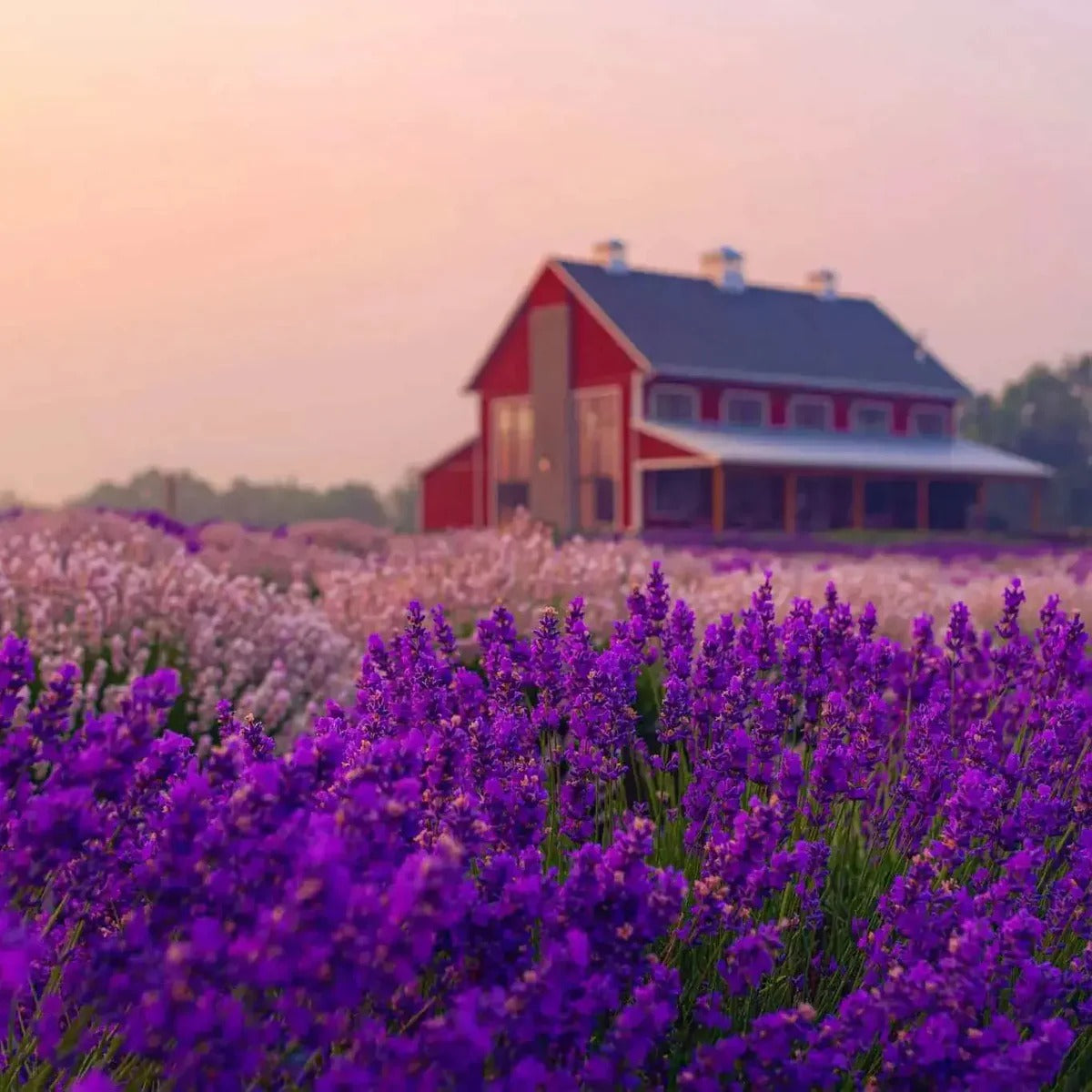
When you’re ready to bring this comforting flavor into your own home with confidence, we invite you to explore our farm-grown lavender. Each fragrant bud is a promise of quality and care, grown without pesticides and hand-harvested specifically for culinary perfection. Discover the sweet, floral taste of our authentic English Lavender, grown with love on our Michigan farm.
Happy cooking, and may your kitchen be filled with the gentle, soothing aroma of true culinary lavender.
Frequently Asked Questions About Edible Lavender
What part of the lavender plant is edible?
The most delightful and commonly used parts of the lavender plant for culinary creations are the buds (flowers) and the leaves. The buds contain the sweetest, most concentrated floral flavor, making them perfect for infusing into sugars, syrups, and baked goods. The leaves offer a more subtle, herbaceous note that pairs beautifully with savory dishes like roasted chicken or potatoes. While other parts aren't toxic, they don't provide the same culinary charm.
Can you eat raw lavender buds?
Yes, you can enjoy lavender buds raw, but it’s best to do so with a gentle touch! Raw buds have a very potent, concentrated flavor that can be overwhelming if you use too much. We recommend using them sparingly as a beautiful and fragrant garnish on salads, desserts, or cocktails. For a softer flavor, try infusing the raw buds into honey or sugar first, which gently draws out their lovely essence without the intensity.
Does cooking with lavender taste like soap?
This is a common worry, but your lavender-infused treats shouldn't taste like soap! That soapy or overly perfumey taste usually happens when too much lavender is used or when a variety high in camphor is chosen. The key is to use a true culinary lavender, like English lavender, and remember that a little goes a long way. Start with a small amount to add a delicate, sweet floral note to your cooking for a comforting and delicious experience.
How do I know if the lavender in my garden is English lavender?
Knowing your plant type helps answer the question, "is all lavender edible?" for your specific garden. Look closely at the stems. True English lavender (*Lavandula angustifolia*) typically grows on single, unbranched stems with a dense, compact flower spike at the very top. Other varieties, like French lavender, often have branched stems or distinctive, petal-like bracts that look like little bunny ears on top of the flower head. English lavender is your safest and sweetest culinary choice.
Is it safe to drink lavender tea every day?
Sipping a warm cup of lavender tea can be a wonderfully soothing daily ritual. For most healthy adults, enjoying one to two cups a day is generally considered safe and can be a beautiful way to invite a moment of calm into your routine. However, it’s always wise to listen to your body. If you are pregnant, nursing, or have any health conditions, we gently suggest chatting with your healthcare provider first to ensure it's the right choice for you.
Can I use lavender essential oil in my food?
This is a very important safety question, and our caring advice is to never add lavender essential oils to your food or drinks. Essential oils are incredibly concentrated and are not formulated for ingestion, which can be harmful. For bringing that lovely lavender flavor into your kitchen, please always stick to using fresh or dried culinary-grade lavender buds. This is the safest and most wholesome way to enjoy the gentle, beautiful taste of this special herb.
Shop Our Culinary Lavender
English lavender buds — hand-harvested on our Michigan farm. Food-grade, pesticide-free, and sweeter than French lavender for baking and cooking.
Shop Culinary Lavender Shop Gift Sets