







Natural Anxiety Relief: How Lavender Aromatherapy Calms Your Nervous System
Quick Navigation:
- Understanding Anxiety: When Worry Becomes a Problem
- The Neuroscience of Lavender and Anxiety
- Clinical Studies: What the Research Shows
- Aromatherapy Methods That Actually Work
- Creating Your Daily Anxiety-Relief Routine
- Lavender vs. Pharmaceutical Options
- Long-Term Anxiety Management Strategies
Introduction
Anxiety disorders affect approximately 40 million adults in the United States—nearly 19% of the population—making it the most common mental health concern in America. While anxiety serves an important evolutionary purpose, alerting us to potential dangers, chronic anxiety can significantly impair quality of life, affecting work performance, relationships, and physical health.
For many people dealing with anxiety, the search for relief leads to pharmaceutical interventions that often come with unwanted side effects: drowsiness, dependency concerns, sexual dysfunction, or emotional blunting. This has sparked growing interest in evidence-based natural alternatives that can provide genuine relief without these drawbacks.
Enter lavender aromatherapy—a practice with both centuries of traditional use and an increasingly robust body of modern scientific evidence. Research published in peer-reviewed journals demonstrates that lavender's natural compounds interact directly with the nervous system to produce measurable anxiety-reducing effects. This isn't about vague "relaxation" or placebo effects; this is about documented physiological changes in brain chemistry and stress hormone levels.
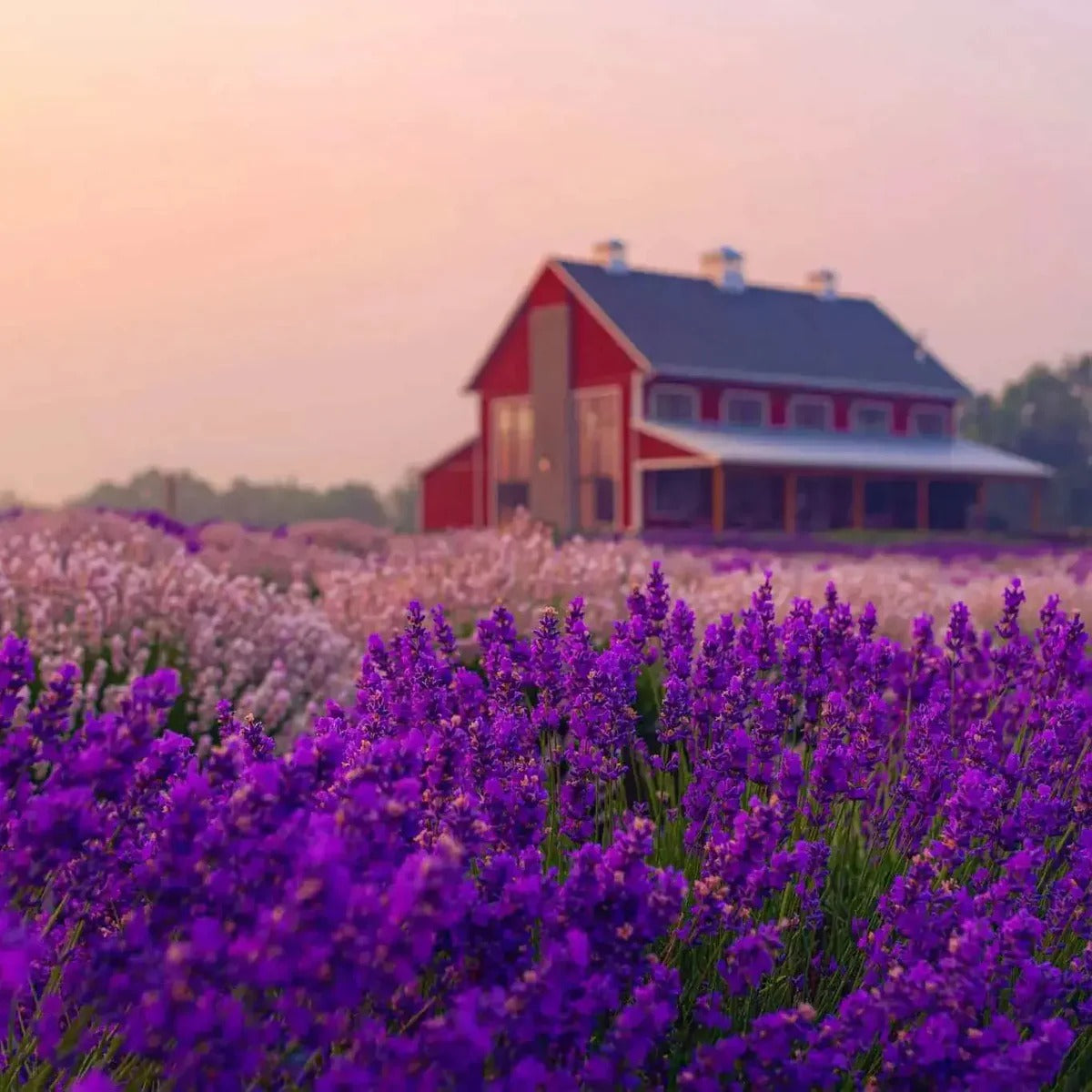
At Lavender Life, we've spent years cultivating organic lavender on our Michigan farm specifically for its therapeutic applications. We've seen firsthand how properly produced lavender products can make a meaningful difference in people's daily lives—not as a cure-all, but as one valuable tool in a comprehensive approach to anxiety management.
Understanding Anxiety: When Worry Becomes a Problem
Before exploring how lavender can help, it's important to understand what we're addressing. Anxiety exists on a spectrum:
Normal Anxiety: Temporary worry before a presentation, job interview, or important decision. This type of anxiety is proportional to the situation and resolves once the stressor passes.
Problematic Anxiety: Persistent worry that feels out of proportion to circumstances, interferes with daily functioning, or causes physical symptoms like rapid heartbeat, muscle tension, difficulty sleeping, or digestive issues.
Clinical Anxiety Disorders: Conditions diagnosed by mental health professionals, including Generalized Anxiety Disorder (GAD), panic disorder, social anxiety disorder, and specific phobias. These conditions benefit from professional treatment, which may include therapy, medication, or both.
Lavender aromatherapy has shown promise across this entire spectrum. Research indicates it can help manage everyday stress and worry, reduce symptoms of diagnosed anxiety disorders when used as part of a treatment plan, and potentially serve as an alternative or complement to pharmaceutical interventions for some individuals.
It's crucial to note: If you're experiencing severe anxiety, panic attacks, or suicidal thoughts, please seek professional help immediately. Lavender aromatherapy works best as part of a comprehensive approach that may include therapy, lifestyle changes, and medical supervision.
The Neuroscience of Lavender and Anxiety
The anxiety-reducing effects of lavender aren't mysterious or merely psychological—they're based on specific, measurable interactions with your nervous system. Here's what happens at the molecular level:
GABA Receptor Interaction: The Primary Mechanism
Gamma-aminobutyric acid (GABA) is your brain's primary inhibitory neurotransmitter—essentially, it's the "calm down" signal in your nervous system. When GABA binds to GABA receptors in your brain, it reduces neuronal excitability, creating feelings of calm and reducing anxiety.
This is the same mechanism used by benzodiazepines (Xanax, Valium, Ativan), but here's where it gets interesting: Research published in the journal Phytomedicine demonstrates that linalool and linalyl acetate—the primary compounds in lavender essential oil—also interact with GABA receptors, producing anxiolytic (anxiety-reducing) effects without the dependency concerns associated with pharmaceutical options.
A 2010 study in the Journal of Ethnopharmacology found that lavender oil inhalation significantly increased GABA receptor activity in test subjects, with effects comparable to established anti-anxiety medications but with a notably safer side-effect profile.
Cortisol Reduction: Addressing the Stress Hormone
Chronic anxiety is often accompanied by elevated cortisol levels. Cortisol is your primary stress hormone, and while essential for survival, chronically elevated levels contribute to numerous health problems including weakened immune function, disrupted sleep, weight gain, and—ironically—increased anxiety.
Research from the International Journal of Nursing Practice examined cortisol levels in patients inhaling lavender essential oil. Results showed a significant decrease in cortisol concentrations after just five minutes of lavender aromatherapy, with effects lasting for hours. Participants reported corresponding decreases in perceived stress levels, demonstrating that the biochemical changes translated into subjective improvements in well-being.
Autonomic Nervous System Regulation
Your autonomic nervous system has two branches: the sympathetic ("fight or flight") and parasympathetic ("rest and digest"). Anxiety disorders often involve an overactive sympathetic response—your body stuck in a state of high alert even when there's no real threat.
Studies using heart rate variability measurements—a marker of autonomic balance—show that lavender inhalation shifts the body toward parasympathetic dominance. This manifests as decreased heart rate, lowered blood pressure, reduced muscle tension, and slower, deeper breathing—all the physical opposites of the anxiety response.
Neurotransmitter Modulation
Beyond GABA, lavender compounds influence other neurotransmitter systems implicated in mood regulation. Research indicates potential effects on serotonin pathways (similar to SSRI medications) and modest increases in dopamine activity, contributing to improved mood alongside reduced anxiety.
Clinical Studies: What the Research Shows
The theoretical mechanisms are compelling, but what matters most is whether lavender actually works in real-world applications. Here's what clinical trials reveal:
Generalized Anxiety Disorder (GAD)
A landmark study published in Phytomedicine in 2010 examined Silexan (a specific lavender oil preparation) in patients with Generalized Anxiety Disorder. The randomized, double-blind, placebo-controlled trial—the gold standard of medical research—found that lavender oil was as effective as the anti-anxiety medication lorazepam (Ativan) in reducing anxiety symptoms, as measured by the Hamilton Anxiety Rating Scale.
Perhaps most significantly, the lavender group experienced this benefit without the sedation, dependency risk, or withdrawal concerns associated with benzodiazepines. Patients reported no impairment in cognitive function or daytime drowsiness.
Preoperative Anxiety
Multiple studies have examined lavender's effectiveness for situational anxiety, particularly before medical procedures. A 2012 meta-analysis in Evidence-Based Complementary and Alternative Medicine reviewed 15 randomized controlled trials involving nearly 1,000 patients.
Results showed that lavender aromatherapy significantly reduced preoperative anxiety across all studies examined, with effect sizes comparable to standard anxiolytic medications. Patients who received lavender inhalation reported feeling notably calmer, and objective measurements confirmed lower heart rates and blood pressure compared to control groups.
Dental Anxiety
For the millions of people who experience dental anxiety, research offers encouraging findings. A 2017 study published in the Journal of Dentistry found that patients exposed to lavender aromatherapy in the waiting room exhibited significantly lower anxiety scores and reduced cortisol levels compared to those in standard waiting rooms.
The intervention was remarkably simple—lavender essential oil diffused in the waiting area—yet produced measurable improvements in patient comfort and treatment acceptance.
Postpartum Anxiety
The postpartum period brings unique anxiety challenges. A 2015 study in Worldviews on Evidence-Based Nursing examined lavender aromatherapy's effects on new mothers. Women who used lavender aromatherapy for four weeks reported significantly reduced anxiety and depressive symptoms compared to control groups, with improvements continuing even after the intervention period ended.
Long-Term Use and Safety
Concerns about natural remedies often center on long-term safety. Fortunately, extensive research indicates that lavender aromatherapy maintains its effectiveness without developing tolerance (unlike benzodiazepines) and poses minimal side effect risks when used appropriately.
A 2019 comprehensive review in Frontiers in Neuroscience examined safety data from multiple long-term studies, concluding that lavender aromatherapy demonstrates "an excellent safety profile" with no serious adverse events reported even with extended daily use.
Aromatherapy Methods That Actually Work
Understanding the science is one thing; implementing effective practices is another. Here are evidence-based methods for using lavender aromatherapy to manage anxiety:
Inhalation Aromatherapy: The Most Direct Route
Essential Oil Diffusers: These devices disperse lavender oil molecules into the air, providing continuous aromatherapy exposure. For anxiety relief, use 5-10 drops of pure lavender essential oil in a room-sized diffuser. Position it in your primary living or working space for ambient anxiety reduction throughout the day.
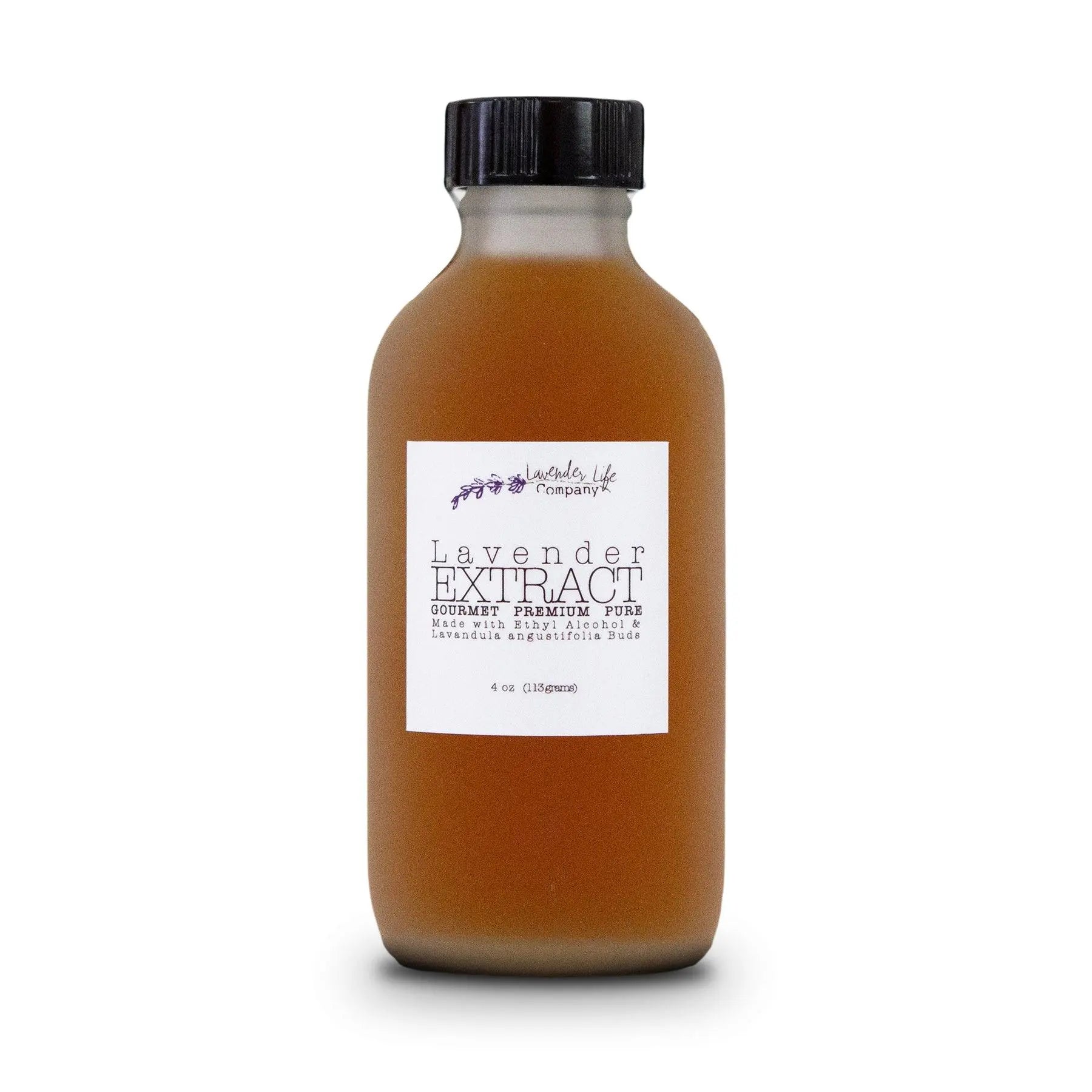
Clinical studies typically use 10-15 minute aromatherapy sessions, but many people benefit from extended exposure. Our Michigan-grown organic lavender essential oils are specifically cultivated and distilled to maximize linalool and linalyl acetate content for therapeutic effectiveness.
Direct Inhalation: For acute anxiety moments—when you feel a wave of worry or the beginning of a panic response—place 1-2 drops of lavender essential oil on a tissue or cotton ball and inhale slowly and deeply for 2-3 minutes. This delivers high concentrations directly to your olfactory system for rapid effect.
Keep a small bottle in your purse, pocket, or desk drawer for moments when anxiety strikes unexpectedly. This portable approach provides anxiety relief anywhere, anytime.
Combined Heat and Aromatherapy: Enhanced Benefits
Research suggests that combining lavender aromatherapy with gentle heat therapy may provide synergistic benefits. Heat increases local blood circulation, promotes muscle relaxation, and amplifies the release of aromatic compounds.
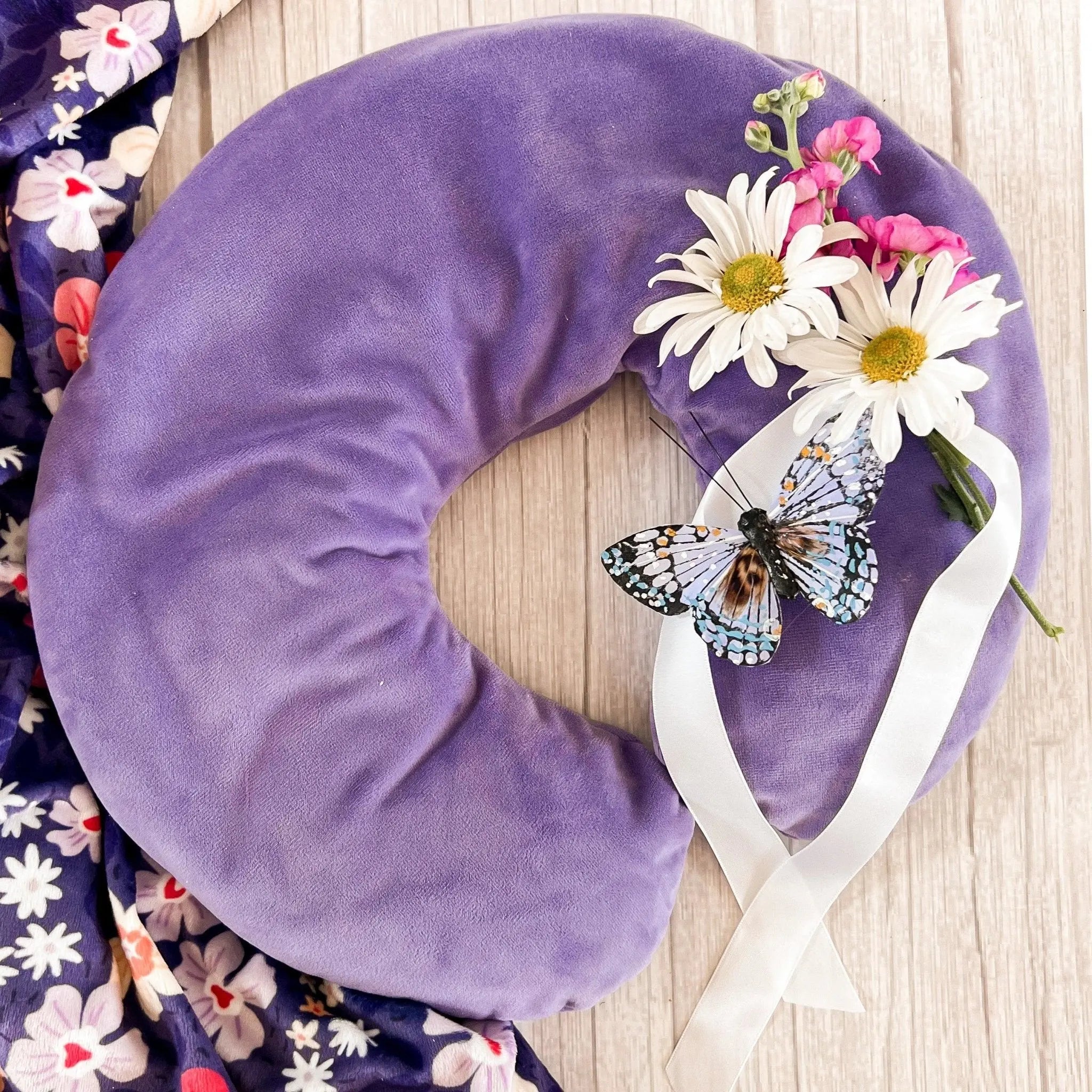
The Lavender Comfort Neck Wrap—featured on The Drew Barrymore Show—exemplifies this approach. Filled with organic lavender and flaxseed, it's heated in the microwave and worn around the neck and shoulders. The warmth relaxes tense muscles while the lavender scent provides continuous aromatherapy exposure.
Many users report this combination particularly effective for anxiety-related muscle tension, especially in the neck, shoulders, and upper back—areas where stress commonly manifests physically.
Lavender-Enhanced Comfort Objects
For some people, particularly those whose anxiety includes sensory sensitivities or a need for grounding, weighted comfort objects infused with lavender provide multi-modal anxiety relief. The combination of deep touch pressure (which activates the parasympathetic nervous system), warmth (when heated), and lavender aromatherapy addresses anxiety through multiple pathways simultaneously.
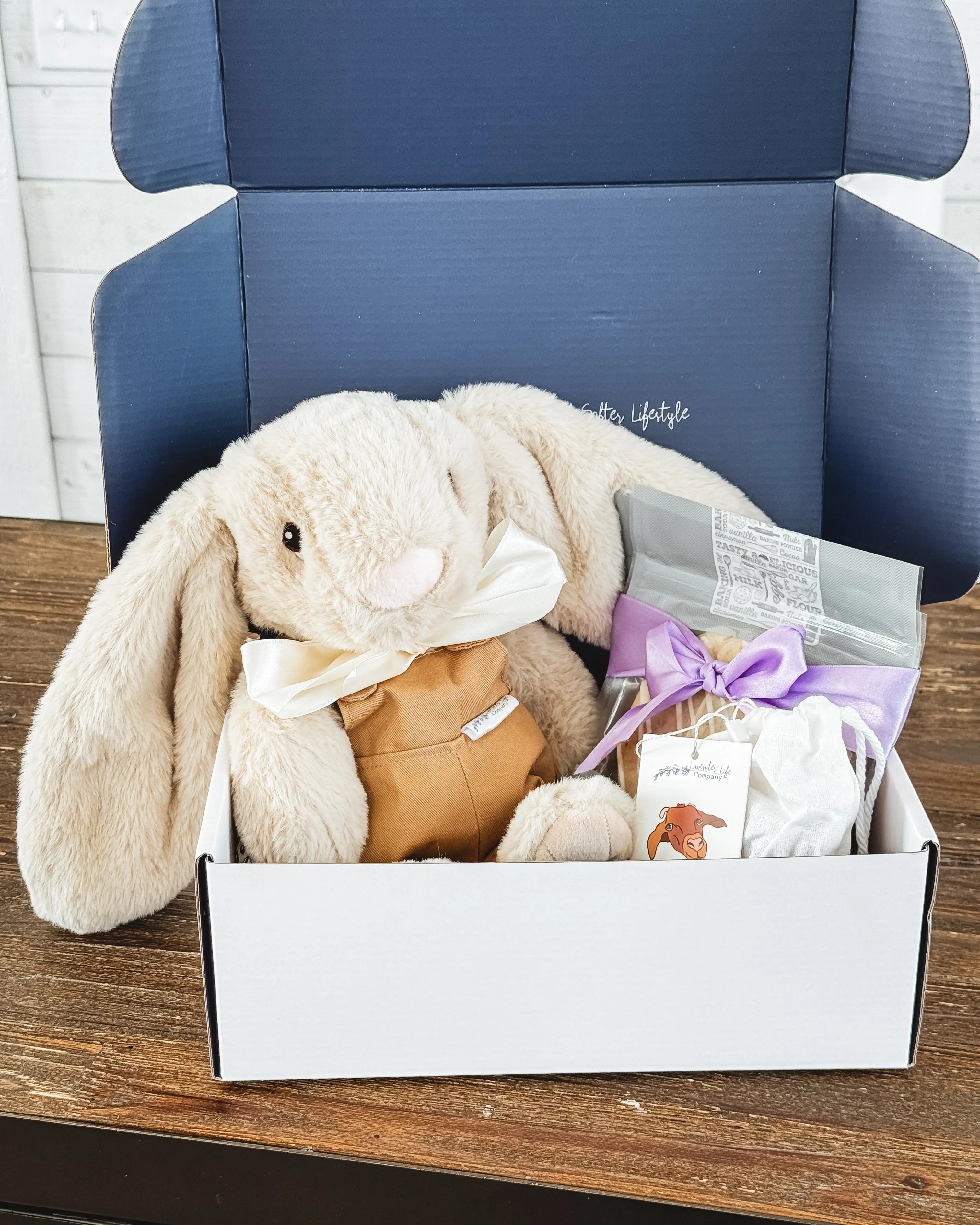
Our Xander Friends collection offers therapeutic comfort items designed for adults and children alike. These aren't childish toys—they're evidence-based wellness tools that provide portable anxiety relief through tactile comfort and aromatherapy.
Environmental Aromatherapy: Creating Calm Spaces
Beyond acute anxiety relief, consider how lavender can transform your environment to reduce baseline anxiety levels:
- Bedroom: Use a diffuser or lavender pillow spray to create a calm sleep environment. Many people with anxiety struggle with racing thoughts at bedtime; lavender supports both anxiety reduction and improved sleep quality.
- Workspace: Keep a small diffuser or roller bottle of lavender oil at your desk. Brief aromatherapy breaks during stressful work periods can prevent anxiety escalation before it becomes overwhelming.
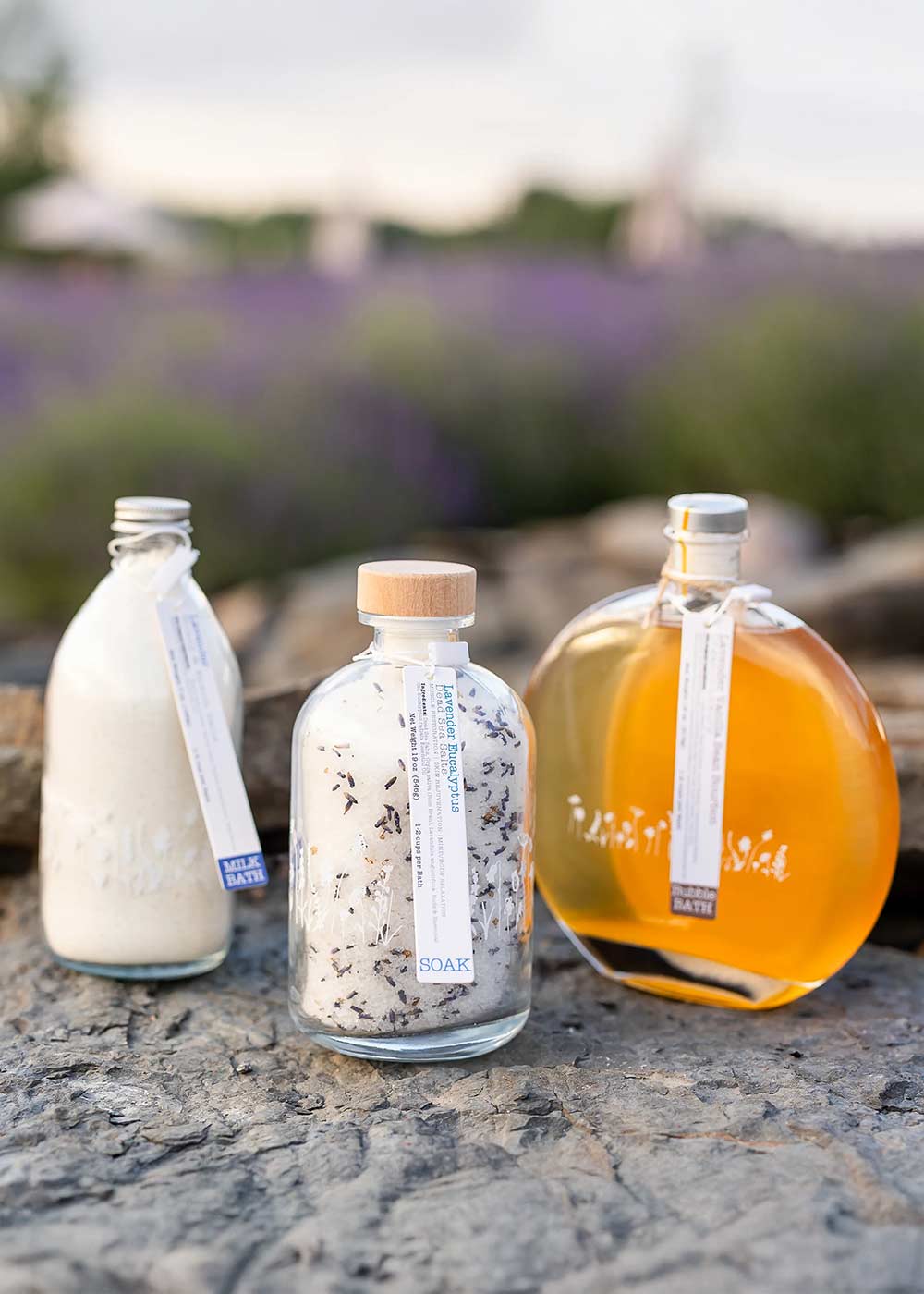
- Bathroom: Add 10-15 drops of lavender essential oil to bathwater for anxiety-relieving immersion therapy. The combination of warm water, quiet time, and aromatherapy provides a powerful anxiety reset.
- Car: For those who experience driving anxiety, a car diffuser or lavender-scented item clipped to your sun visor provides continuous support during commutes or road trips.
Creating Your Daily Anxiety-Relief Routine
Consistent use often produces better results than sporadic application. Here's a sample daily anxiety-management routine incorporating lavender aromatherapy:
Morning Protocol (5-10 minutes)
Start your day by setting a calm baseline rather than reacting to anxiety:
- Begin your day with 3-5 minutes of lavender aromatherapy while practicing deep breathing. Add 5-7 drops of lavender essential oil to your diffuser while you prepare for the day.
- If morning anxiety is particularly problematic, apply lavender-infused lotion to your hands and wrists—pulse points where you'll catch the scent throughout the day.
- Take three deep, intentional breaths with lavender inhalation before checking your phone or email. This creates a buffer between sleep and the day's demands.
Midday Maintenance (2-5 minutes)
Prevent anxiety buildup rather than waiting for it to become overwhelming:
- Set a midday reminder to pause for a brief aromatherapy break. Even 2-3 minutes of conscious lavender inhalation can interrupt the stress-anxiety cycle.
- If you work in an environment where a diffuser isn't practical, keep a roller bottle or small spray in your desk drawer for portable anxiety relief.
- Combine your aromatherapy break with a brief walk or stretching routine if possible—movement enhances anxiety relief.
Evening Wind-Down (15-30 minutes)
Create an intentional transition from the day's demands to restful evening:
- Begin your evening routine 60-90 minutes before bed with environmental lavender aromatherapy—diffuser in your bedroom or living space.
- Consider a lavender-enhanced bath or shower. The combination of warmth, quiet time, and aromatherapy helps process the day's stress rather than carrying it into sleep.
- Use a heated lavender neck wrap while reading or doing other calming activities. The dual benefit of heat and aromatherapy supports the transition from sympathetic (active) to parasympathetic (rest) nervous system dominance.
- Apply lavender pillow spray to your bedding 15-20 minutes before lying down, allowing the scent to disperse naturally.
Acute Anxiety Intervention
When you feel anxiety escalating beyond normal levels:
- Stop and breathe: Pause whatever you're doing if possible. Continuing to push through often intensifies anxiety.
- Apply lavender: Direct inhalation of lavender essential oil from a tissue or cotton ball. Take slow, deep breaths for 3-5 minutes.
- Engage grounding: Combine aromatherapy with physical grounding techniques—holding a lavender comfort object, progressive muscle relaxation, or the 5-4-3-2-1 sensory awareness technique.
- Assess needs: Once acute anxiety subsides, consider what triggered the response and what additional support might help (talking to someone, adjusting your schedule, seeking professional guidance).
Lavender vs. Pharmaceutical Options
The question inevitably arises: How does lavender compare to prescription anxiety medications? The answer is nuanced and depends on several factors:
When Lavender May Be Sufficient
Research and clinical experience suggest lavender aromatherapy may be adequate for:
- Mild to moderate generalized anxiety that doesn't significantly impair daily functioning
- Situational anxiety (before presentations, medical procedures, social events)
- Adjustment-related anxiety following life changes or stressors
- Individuals who cannot tolerate pharmaceutical side effects
- Those preferring natural approaches or concerned about medication dependency
When Professional Treatment Is Essential
Lavender aromatherapy should not replace professional care for:
- Severe anxiety that significantly impairs work, relationships, or daily activities
- Panic disorder with frequent panic attacks
- Anxiety accompanied by suicidal thoughts
- Co-occurring mental health conditions (depression, bipolar disorder, etc.)
- Anxiety unresponsive to natural interventions after reasonable trial periods
Complementary Use: The Best of Both
Many mental health professionals now recognize that natural interventions like lavender aromatherapy can complement pharmaceutical treatment effectively:
Medication Enhancement: Some people find that adding lavender aromatherapy to their medication regimen allows for lower pharmaceutical doses or better overall symptom control.
Transition Support: For those tapering off anxiety medications under professional supervision, lavender aromatherapy may help manage breakthrough anxiety during the transition period.
Acute Moment Management: Even those taking daily anxiety medications may benefit from lavender aromatherapy for acute anxiety spikes between medication doses.
Important Note: Always consult your healthcare provider before combining lavender aromatherapy with prescription medications or making any changes to your treatment plan. While generally safe, interactions are possible, and your doctor should know all interventions you're using.
Long-Term Anxiety Management Strategies
Lavender aromatherapy works best as one component of a comprehensive anxiety-management approach. Research consistently shows that addressing anxiety from multiple angles produces superior results compared to any single intervention:
The Foundation: Lifestyle Factors
No aromatherapy protocol can compensate for fundamentally anxiety-producing lifestyle patterns:
- Sleep: Prioritize 7-9 hours nightly. Sleep deprivation dramatically amplifies anxiety vulnerability. Use lavender to support better sleep quality, creating a positive cycle.
- Exercise: Regular physical activity is among the most effective anxiety interventions, rivaling medication efficacy in research studies. Even brief daily walks provide benefits.
- Nutrition: Blood sugar instability, caffeine overconsumption, and inadequate nutrition all contribute to anxiety. Address these fundamentals first.
- Social Connection: Isolation worsens anxiety. Maintain meaningful relationships and seek support when struggling.
Psychological Tools
Therapy, particularly Cognitive Behavioral Therapy (CBT), provides skills for managing anxious thoughts and behaviors. Lavender aromatherapy can support therapy work by:
- Reducing baseline anxiety, making it easier to engage with challenging therapeutic exercises
- Providing a sensory anchor for grounding techniques
- Supporting exposure therapy by helping manage anticipatory anxiety
Many therapists now incorporate aromatherapy into their practices, recognizing its value as an adjunct tool.
Stress Management Practices
Develop regular practices that prevent anxiety buildup:
- Meditation or mindfulness: Even 10 minutes daily produces measurable anxiety reduction. Combine with lavender for enhanced benefits.
- Journaling: Writing about anxious thoughts helps externalize and process them rather than ruminating endlessly.
- Boundary setting: Learning to say "no" and protect your time and energy prevents anxiety from overcommitment.
- Nature exposure: Time outdoors, particularly in natural settings, significantly reduces anxiety markers. Walk through lavender fields if possible—we welcome visitors to our Michigan farm!
Building Resilience
Long-term anxiety management isn't just about reducing symptoms—it's about building capacity to handle life's inevitable stressors without becoming overwhelmed:
- Develop a consistent daily routine that includes anxiety-reducing practices like lavender aromatherapy
- Identify your anxiety triggers and create specific plans for managing them
- Build a support system of people who understand and can help when anxiety intensifies
- Celebrate progress, even small improvements. Anxiety management is a journey, not a destination.
Conclusion
Anxiety is one of the most common struggles of modern life, affecting millions of people who simply want to feel calm, focused, and capable of handling daily demands without overwhelming worry. While pharmaceutical interventions help many people, they're not the only option—and for some, they're not the best option.
Lavender aromatherapy offers a scientifically validated, low-risk approach to anxiety management that works through multiple physiological mechanisms: enhancing GABA activity, reducing cortisol levels, promoting parasympathetic nervous system activation, and influencing mood-regulating neurotransmitters. These aren't vague claims or wishful thinking—they're documented effects measured in peer-reviewed research.
At Lavender Life, we grow our organic lavender specifically for its therapeutic applications. Our Michigan farm produces lavender with high concentrations of the compounds that research shows are most effective for anxiety relief. Whether you choose pure essential oils for direct aromatherapy, our Comfort Neck Wrap for combined heat and aromatherapy benefits, or Xander Friends comfort objects for multi-sensory anxiety support, you're receiving products backed by both traditional use and modern science.
Remember: effective anxiety management typically requires a comprehensive approach. Lavender aromatherapy works best combined with adequate sleep, regular exercise, stress management practices, and professional support when needed. Start with simple applications—a diffuser at home, a small bottle for portable relief, or a heated neck wrap for evening relaxation—and observe how your body responds.
Many people find that after weeks of consistent use, they experience not just reduced anxiety symptoms but an improved overall sense of calm and capacity to handle stress. That's the goal: not eliminating all anxiety (some anxiety is normal and useful) but bringing it back to manageable levels where it informs rather than controls your life.
You don't have to navigate anxiety alone, and you have options beyond pharmaceuticals. Give lavender aromatherapy a genuine trial—consistent daily use for at least 3-4 weeks—and see what difference it makes in your life.
References
- Kasper, S., Gastpar, M., Müller, W. E., Volz, H. P., Möller, H. J., Schläfke, S., & Dienel, A. (2010). "Silexan, an orally administered Lavandula oil preparation, is effective in the treatment of 'subsyndromal' anxiety disorder." Phytomedicine, 17(8-9), 591-597.
- Koulivand, P. H., Khaleghi Ghadiri, M., & Gorji, A. (2013). "Lavender and the nervous system." Evidence-Based Complementary and Alternative Medicine, 2013, 681304. PMID: 23573142.
- López, V., Nielsen, B., Solas, M., Ramírez, M. J., & Jäger, A. K. (2017). "Exploring pharmacological mechanisms of lavender (Lavandula angustifolia) essential oil on central nervous system targets." Frontiers in Pharmacology, 8, 280.
- Hongratanaworakit, T. (2011). "Aroma-therapeutic effects of massage blended essential oils on humans." Natural Product Communications, 6(8), 1199-1204.
- Perry, R., Terry, R., Watson, L. K., & Ernst, E. (2012). "Is lavender an anxiolytic drug? A systematic review of randomised clinical trials." Phytomedicine, 19(8-9), 825-835.
- Seyyed-Rasooli, A., Salehi, F., Mohammadpoorasl, A., Goljaryan, S., Seyyedi, Z., & Thomson, B. (2016). "Comparing the effects of aromatherapy massage and inhalation aromatherapy on anxiety and pain in burn patients." Burns, 42(8), 1774-1780.
- Conrad, P., & Adams, C. (2012). "The effects of clinical aromatherapy for anxiety and depression in the high risk postpartum woman." Complementary Therapies in Clinical Practice, 18(3), 164-168.
- National Institute of Mental Health. (2022). "Any Anxiety Disorder." Retrieved from https://www.nimh.nih.gov/health/statistics/any-anxiety-disorder