








Have you ever dreamed of baking with lavender, only to hesitate, worried your beautiful creation might taste more like perfume than a delicate treat? That common fear is exactly why choosing the right plant is so important. The secret to unlocking that sweet, floral flavor you’re imagining lies in selecting true culinary lavender plants, grown with love right in your own garden.
Here at Lavender Life Farm, we believe everyone deserves the joy of cooking with homegrown herbs. This gentle guide is here to walk with you, step by step. We’ll help you discover which lavender varieties are perfect for your kitchen, share our heartfelt tips for nurturing them, and show you exactly when and how to harvest those precious buds for the most delightful flavor. Get ready to fill your garden and your home with the comforting aroma and delicious taste of your very own lavender. Your culinary adventures are about to get so much sweeter.
The Secret to Sweet Lavender: Choosing the Right Plant Varieties
Imagine stepping into your garden, snipping a few fragrant lavender stems, and bringing that beautiful aroma into your kitchen. It’s a lovely thought, but before you add those buds to your baking, there’s a gentle secret you should know: not all lavender is created equal for culinary use. The key difference lies in the plant's natural oils, particularly a compound called camphor.
Choosing the wrong type can leave your delicate scones or lemonade with a soapy, medicinal flavor-something no one wants! But don't worry. We're here to guide you with a caring hand toward the sweetest, most fragrant choices, ensuring your culinary creations are always a comforting delight.
English Lavender (Lavandula angustifolia): The Cook's Best Friend
This is the variety every baker and home cook dreams of. English Lavender has the lowest camphor content, which allows its sweet, gentle floral flavor to shine. Its delicate notes are perfect for infusing into sugars, adding to shortbread, or even complementing savory dishes like roasted chicken. When you're searching for culinary lavender plants, this is your truest friend. On our farm, we nurture and trust these specific cultivars:
- 'Munstead': A classic choice known for its compact size and sweet fragrance.
- 'Hidcote': Famous for its deep purple flowers and robust, sweet flavor.
- 'Royal Velvet': A beautiful, dark-flowered variety with a lovely, mild taste.
Lavandin (Lavandula x intermedia): Best for Fragrance, Not Food
Lavandin is a hybrid lavender, a cross between English Lavender and Spike Lavender. While its powerful, cleansing aroma is wonderful for crafting essential oils, filling sachets, and creating a calming atmosphere, its high camphor content makes it unsuitable for cooking. The broad genus of Lavandula contains many species and hybrids, and this one is prized for its potent oil, which is exactly what can create that soapy taste in food. When shopping, you can often spot Lavandin by its larger size and longer flower stems.
Other Varieties (Spanish & French): Beautiful but Not for Baking
You may also encounter other beautiful lavenders like Spanish (Lavandula stoechas), with its distinct "bunny ear" petals, or the fringed-leaf French Lavender (Lavandula dentata). While stunning in a garden pot or floral arrangement, these varieties also contain higher levels of camphor and are not recommended for culinary purposes. To ensure your recipes are filled with nothing but pure, sweet flavor, sticking with trusted English culinary lavender plants is always the safest and most reliable choice.
Creating a Nurturing Home for Your Lavender Plant
Lavender is a wonderfully resilient plant that thrives with simple, loving care. It dreams of its native Mediterranean climate-a sun-drenched, breezy home that’s surprisingly easy to replicate in your own space. Whether you’re planting it in a garden bed or a cozy pot on your patio, we’ll show you how to create the perfect environment. A happy plant will reward you with seasons of fragrant blooms, filling your home with its signature calming scent.
Finding the Perfect Spot: Sun, Soil, and Space
To feel truly at home, your lavender needs three simple things: plenty of sun, excellent drainage, and room to breathe. Whether you're growing English or culinary lavender plants, these elements are the foundation of a healthy, fragrant life. Here’s how to choose the perfect location:
- Full Sun: Find a spot that receives at least six to eight hours of direct sunlight each day. Lavender loves to bask in the warmth.
- Well-Draining Soil: Lavender despises "wet feet." If you have heavy clay soil, amend it with sand or small gravel to improve drainage and create the gritty, airy texture it loves.
- Good Air Circulation: Give your plant enough space to ensure air can move freely around its foliage. This simple step helps prevent common issues and keeps it vibrant and healthy.
If your garden doesn't offer the perfect sunny spot, you can still nurture lavender by growing it indoors. Creating a controlled environment with specialized grow lights allows you to provide the warmth and light it needs to flourish, no matter the weather. For those looking to create an indoor garden space, specialist suppliers like Discount Hydro offer all the necessary equipment to help your culinary herbs thrive year-round.
Planting Your Lavender with Care
Once you’ve found the perfect spot, it’s time to gently settle your lavender into its new home. Begin by digging a hole that is about twice as wide as the root ball. Before placing it in, carefully loosen any tightly bound roots to encourage them to spread out. For a more detailed visual guide, the experts at BBC Gardeners' World offer wonderful advice on how to grow lavender, ensuring your plant feels right at home from day one. Backfill the hole with soil, making sure the plant's crown (where the stem meets the roots) sits just above the soil line to prevent rot. Finish with a thorough watering to help it settle in.
Gentle Care: Watering and Pruning for Abundant Blooms
Lavender is a low-maintenance friend, but a little thoughtful care goes a long way. When your plant is new, water it regularly to help it establish strong roots. Once established, however, it becomes quite drought-tolerant. The golden rule is to let the soil dry out completely between waterings. To keep your culinary lavender plants producing an abundance of fragrant flowers, a bit of pruning is key. After the first flush of flowers, give it a light trim to encourage a second bloom. In the early spring, a harder pruning (avoiding the old, woody base) will promote vigorous, bushy growth for the season ahead.
Harvesting Your Lavender for Peak Flavor and Aroma
There is a special kind of peace that comes from harvesting your own lavender. This gentle, calming ritual connects you to your garden and rewards you with fragrant stems bursting with flavor. Timing is everything when it comes to capturing that perfect, sweet floral taste. By choosing the right moment, you ensure the essential oils in your culinary lavender plants are at their most potent, promising delightful flavors for your kitchen creations all year long.
The Perfect Moment: When to Harvest
To capture the most vibrant flavor, plan to harvest on a dry, sunny morning after the dew has fully evaporated. This is when the plant’s essential oils are most concentrated. Look closely at the flower spikes; the ideal time to cut is when the buds have formed and about half of the tiny flowers on the stem have opened. Harvesting at this stage locks in a sweet, robust flavor, perfect for culinary use, before the blossoms become overly floral.
How to Harvest Your Lavender Stems
Harvesting is a simple and soothing task. All you need are clean, sharp scissors or pruning shears to ensure a healthy cut for your plant. Follow these gentle steps:
- Gather a small, comfortable bunch of 8-10 flower stems in one hand.
- Follow the stems down to the main part of the plant. Cut the stems long, leaving at least a few inches of green, leafy growth behind.
- Be careful to avoid cutting into the old, woody base of the plant, as this can hinder future growth.
Drying Your Harvest for Year-Round Use
Properly drying your lavender preserves its color, aroma, and delicate taste for months to come. This final step transforms your garden bounty into a pantry staple. The process of curing herbs is a cornerstone of at-home Lavender Production. First, gather about 20-30 stems and secure the ends together with a rubber band or a piece of twine. Hang these fragrant bundles upside down in a dark, warm, and dry place with good air circulation, like a pantry or a closet. This prevents mold and ensures even drying. In about 2-4 weeks, your lavender will be perfectly preserved and ready for your favorite recipes.
From Your Garden to Your Kitchen: Using Your Lavender
After carefully tending to your lavender, the final, joyful step is bringing its homegrown flavor from your garden to your table. The key to cooking with this fragrant herb is a gentle touch-a little truly goes a long way. Its floral notes are meant to be a whisper, not a shout, adding a delicate, surprising layer to your favorite dishes and drinks.
Preparing Your Dried Buds for Cooking
Once your harvested stems are fully dry, the preparation is a simple, meditative process. Gently roll the flower heads between your palms over a clean bowl, allowing the tiny, fragrant buds to fall. Sift them through a small mesh strainer to remove any stray leaves or bits of stem. For the freshest flavor, store your prepared buds in an airtight container in a cool, dark cupboard.
First Steps in Cooking with Lavender
Ready to explore? The potent buds from your culinary lavender plants are wonderfully versatile. Here are a few simple ways to begin infusing your kitchen with their comforting essence:
- Infuse Sugar or Salt: Mix a teaspoon of dried buds into a cup of granulated sugar or sea salt. Let it sit for a week, shaking occasionally, for a beautifully flavored finishing touch on desserts or savory dishes.
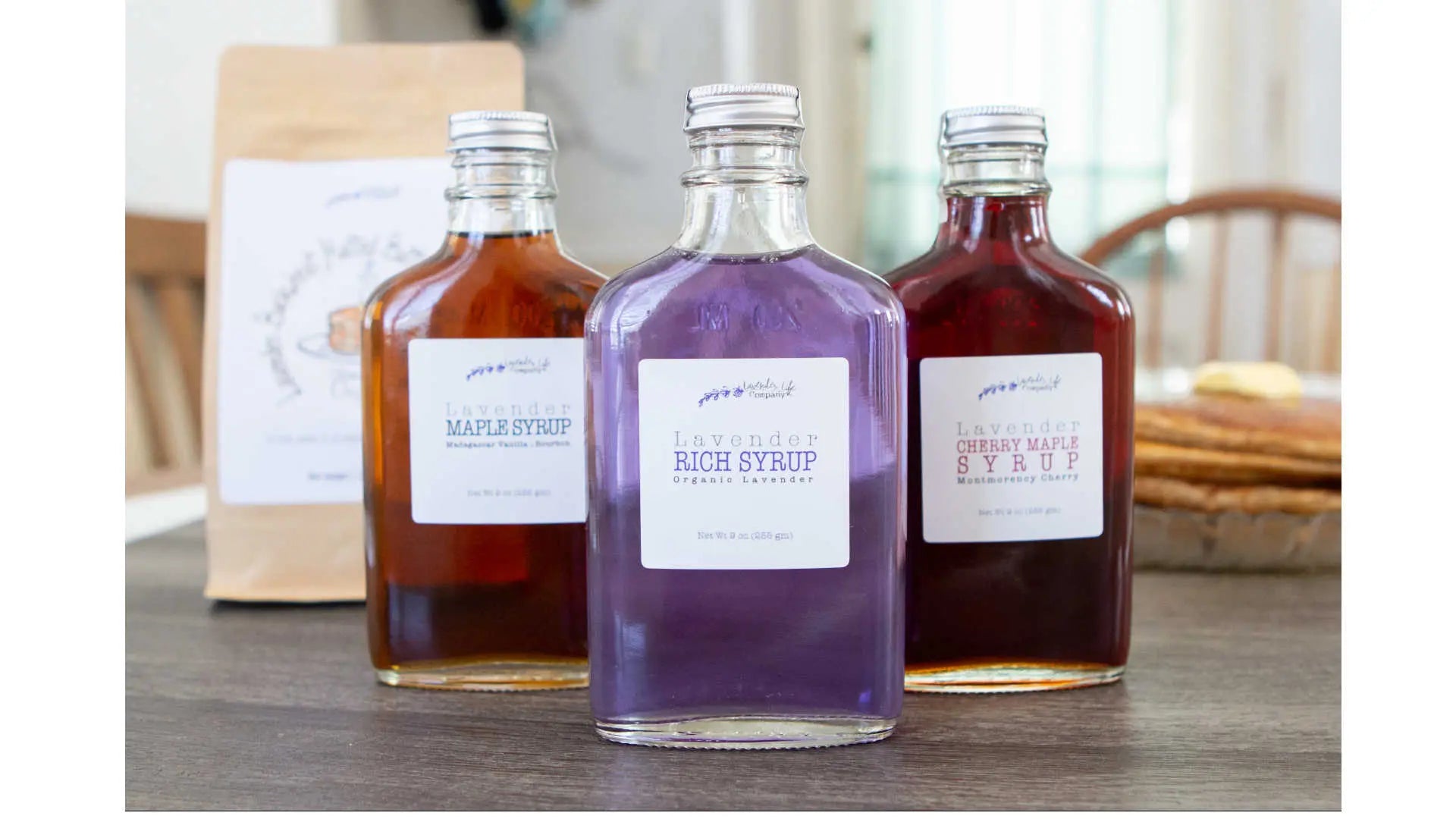
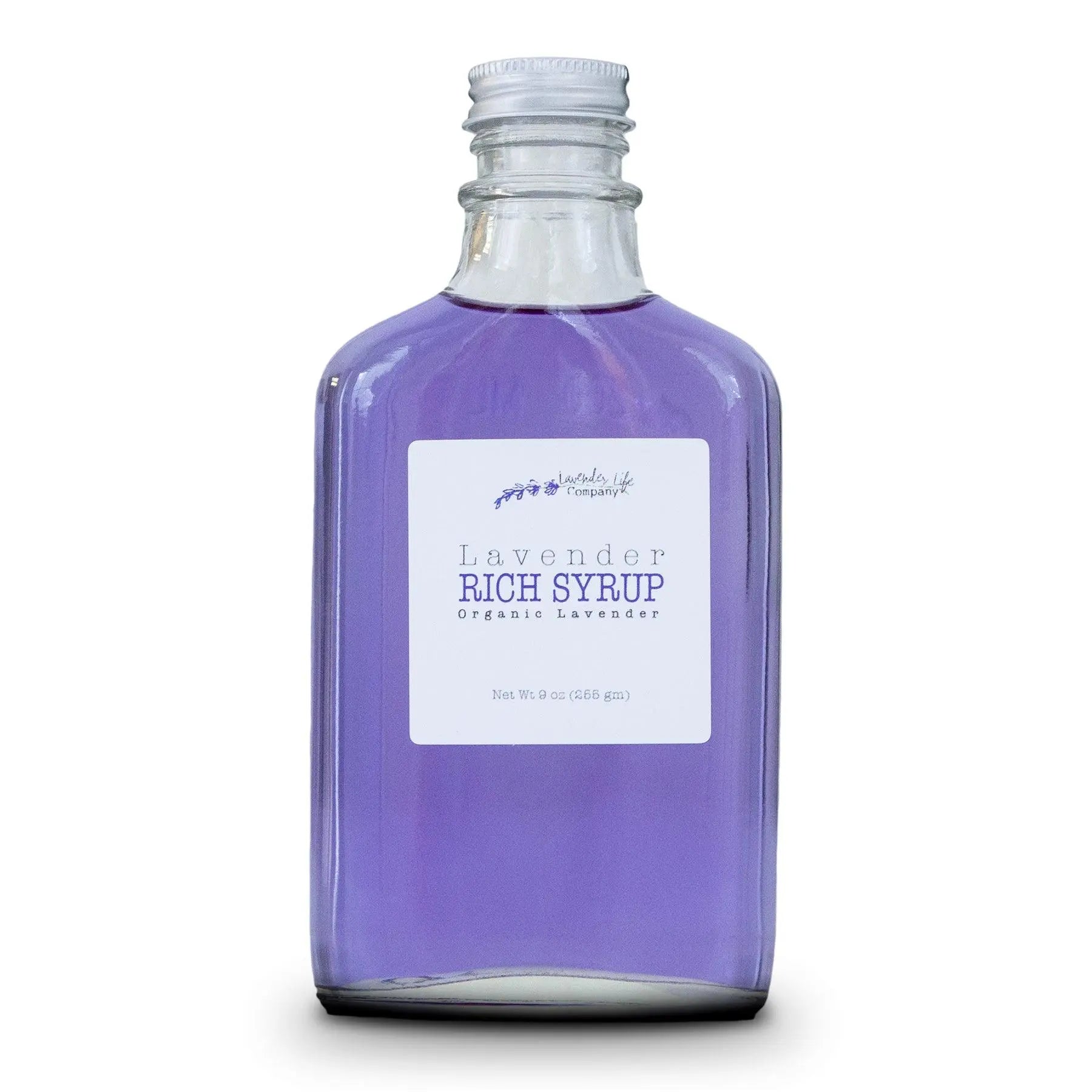
- Create a Simple Syrup: Gently heat equal parts water and sugar with a tablespoon of lavender buds until the sugar dissolves. Strain and cool. It’s a perfect addition to lemonades, iced teas, and cocktails.
- Enhance Baked Goods: Add a pinch (about ¼ to ½ teaspoon) of finely crushed buds to your favorite scone dough, shortbread cookie recipe, or pound cake batter for a lovely floral note.
Remember, it’s always best to start with a small amount and taste as you go. You can always add more, but you can’t take it away!
Don't Have a Garden? Enjoy Farm-Fresh Flavor
We know that sometimes life doesn't leave room for a garden, but that shouldn't stop you from enjoying the pure, sweet taste of high-quality lavender. Even without your own culinary lavender plants, you can experience that comforting, farm-fresh flavor. At Lavender Life Farm, we harvest our lavender at its peak, carefully drying it to preserve the beautiful floral notes you’ll love. We invite you to bring a piece of our farm into your home. Explore our comforting culinary lavender collection.
Your Lavender Journey: From Garden to Kitchen
Cultivating your own culinary lavender plants is a journey filled with gentle rewards. As you've learned, selecting the right variety is the first step to ensuring a sweet, non-soapy flavor. By nurturing your plants and harvesting them at their fragrant peak, you unlock a world of delicate floral notes right in your own backyard. The true joy comes when you transform those beautiful blossoms into delicious infusions, baked goods, and savory dishes, bringing a touch of homemade comfort to every meal.
If you're not quite ready to harvest your own, or simply wish to taste the difference that thoughtful farming makes, we invite you to experience the warmth of our fields. Bring the gentle flavor of the farm to your kitchen with our Culinary Lavender. Grown with love on our Michigan lavender farm and made with wholesome, natural ingredients, it’s the perfect way to begin your culinary adventure. Plus, you can feel good knowing every purchase supports our mission of bringing comfort and hope to children in need.
Happy gardening, and may your kitchen be filled with the soothing aroma and love of lavender.
Frequently Asked Questions
Can I just use lavender from any plant in my garden?
While it might be tempting, we gently advise against using just any lavender for cooking. Varieties like Spanish or French lavender have high camphor levels, which can give your food a soapy or medicinal taste. For the most delightful and sweet floral flavor, it's always best to choose a true English lavender (Lavandula angustifolia), which is celebrated for its culinary properties. This ensures your recipes are infused with a gentle, lovely essence and a comforting aroma.
What's the difference between culinary lavender and lavender for potpourri?
The main difference truly comes down to flavor and scent. Culinary lavender, typically from English varieties, is chosen for its sweet, soft floral notes and low camphor content, making it perfect for adding a touch of warmth to food. Lavender used for potpourri, often a French or Lavandin hybrid, has a much stronger, more pungent aroma due to higher camphor levels. While it’s wonderful for scenting a room, it’s far too overpowering for delicate recipes.
How much homegrown lavender should I use in a recipe?
A little lavender goes a long way in the kitchen, so it’s always best to start with a small amount. A gentle rule of thumb is to use one-third the amount of dried lavender as you would fresh. For example, if a recipe calls for one teaspoon of dried buds, you can use about three teaspoons of fresh buds. You can always add a little more, but it’s difficult to take away that beautiful floral flavor once it's there!
Is it safe to eat lavender raw from the plant?
Yes, it is perfectly safe to enjoy fresh lavender buds straight from the plant, as long as you are certain it is a true culinary variety, like English lavender. The most important thing is to ensure your culinary lavender plants have not been treated with any pesticides or chemicals. At Lavender Life Farm, we grow our plants with the utmost care, ensuring everything is pure and natural, so you can feel confident using them in your kitchen.
How should I store my dried culinary lavender buds to keep them fresh?
To keep your dried lavender buds full of fragrance and flavor, the key is to protect them from light, heat, and air. We recommend storing them in a small, airtight glass jar in a cool, dark, and dry place, like a kitchen pantry or cupboard. This simple step will lovingly preserve their delicate essence for many months, ensuring they are ready to bring a touch of comfort and joy to your next baking or cooking adventure.
Can I use the lavender leaves or stems in cooking?
While the buds are most commonly used, you can certainly use the leaves and stems! They have a more potent, slightly pine-like flavor compared to the sweet buds. They are wonderful for infusing savory dishes, syrups, or oils-simply use them like you would a rosemary sprig or a bay leaf and remove them before serving. For delicate baked goods and desserts, we find that sticking with the gentle flavor of the buds provides the most comforting results.