







Lavender has been part of calming rituals for thousands of years. What's changed is that it is now one of the most researched plants in the world for calm and sleep. Here's what the studies actually found, in plain language.
English lavender is the lavender in the research
The lavender used in clinical studies is Lavandula angustifolia, English lavender. It is the species we grow and hand-harvest on our farm in West Michigan. Many lavender products use French lavandin instead, a different plant with a sharper scent.
Calm and stress
The strongest research uses a standardized oral lavender oil capsule called Silexan, made from English lavender. A 2023 meta-analysis combined all five double-blind, placebo-controlled trials (1,213 adults) and found it reduced anxiety significantly more than placebo over ten weeks (source). It has been authorized as a medicine in more than 20 countries (source).
To be clear, those studies tested a specific capsule at a specific dose, not candles, sprays or tea. They show why lavender has earned its reputation, and why so many people make it part of how they unwind.
Sleep
A 2025 meta-analysis of randomized trials found lavender essential oil improved sleep quality in adults (source). A larger review of 30 aromatherapy studies found improvements in sleep along with lower stress and fatigue (source). An earlier review described lavender's sleep benefit as small to moderate and asked for bigger trials, which is a fair note to keep in mind (source).
Babies and bath time
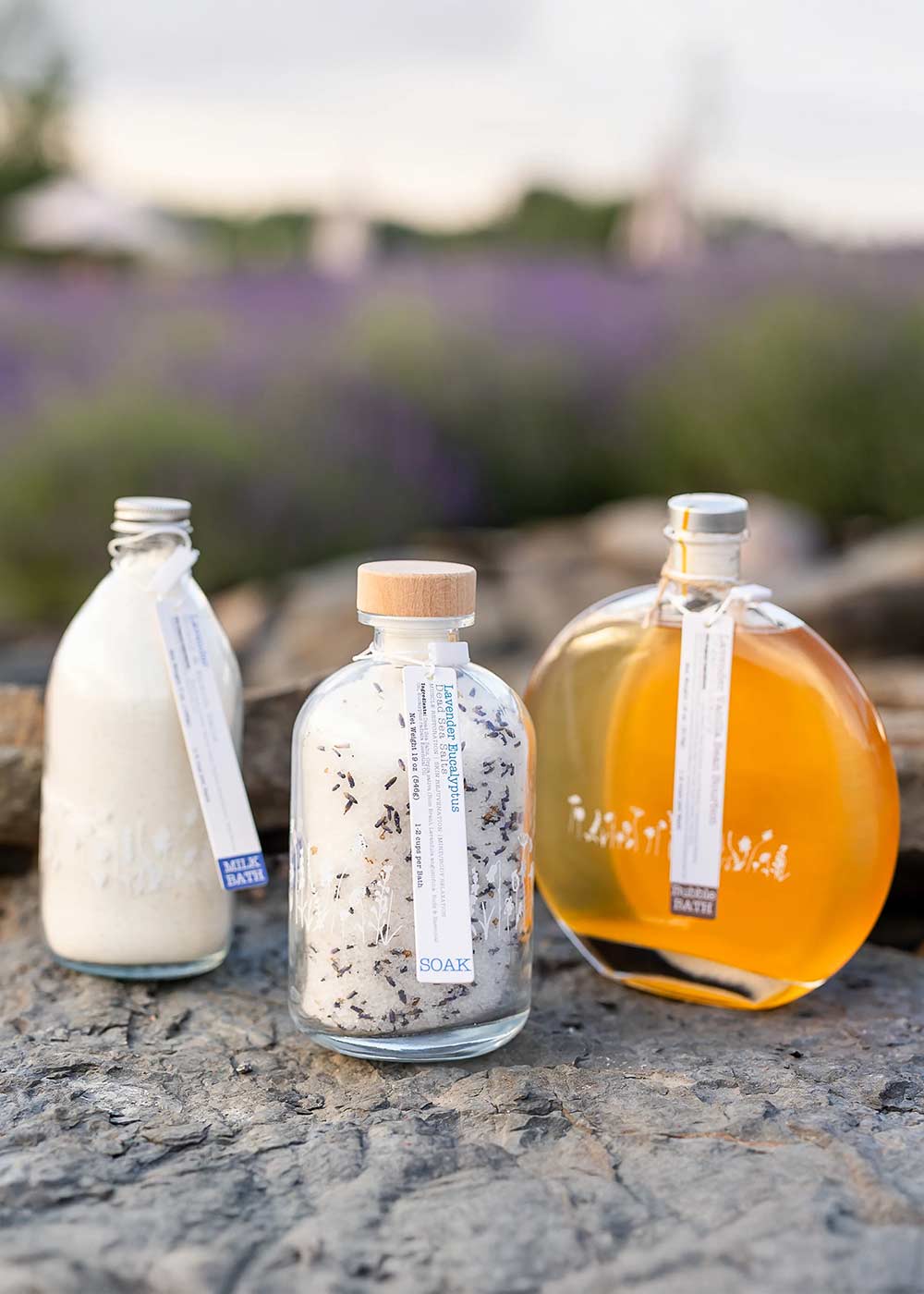
In a 2008 study, very young babies bathed with lavender-scented bath oil cried less and spent more time in deep sleep afterward, and stress hormone levels dropped in both babies and their mothers (source).

Simple ways to bring lavender into your evening
- Scent the room: a lavender candle or room spray as you wind down. Browse our aromatherapy and fragrance collection.
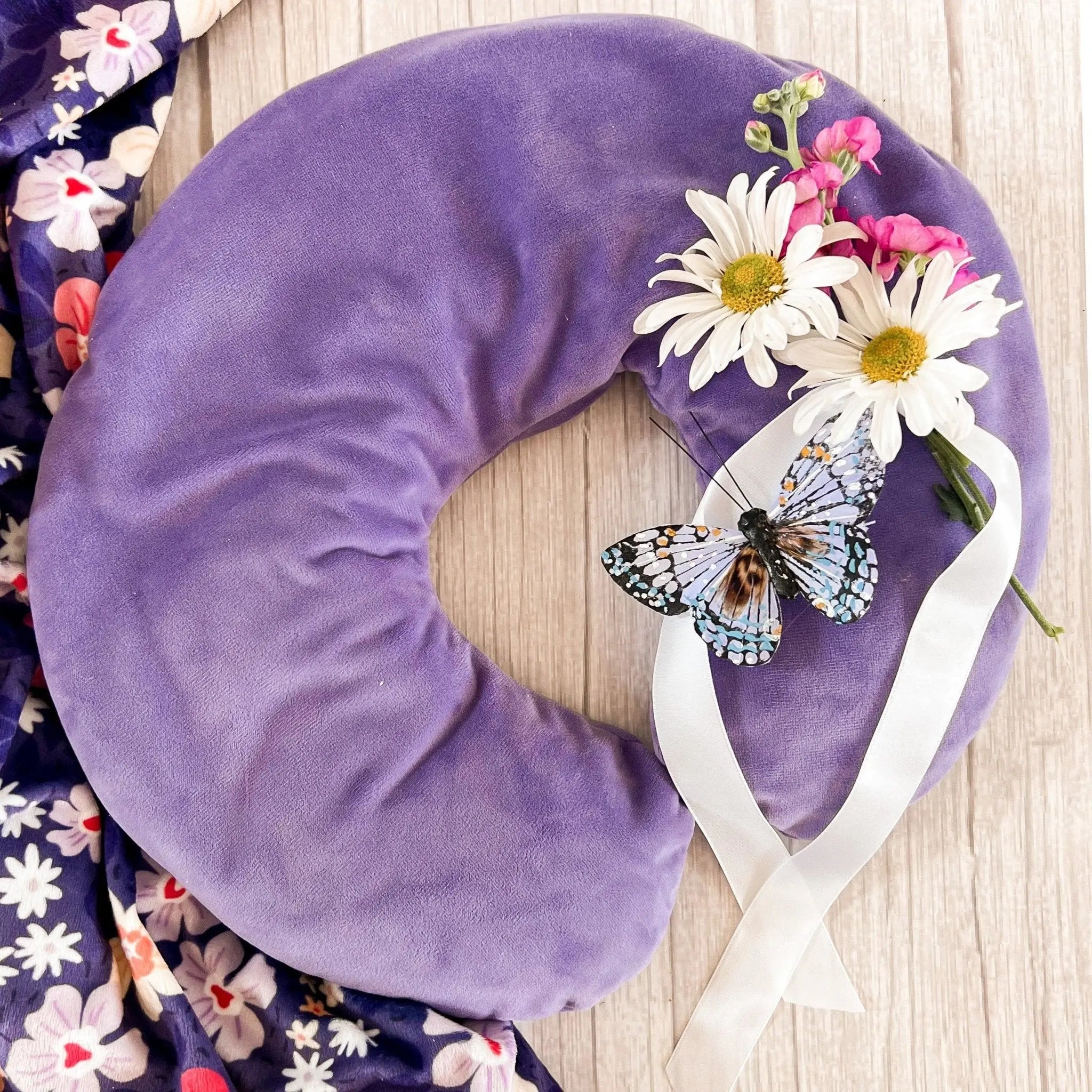
- Add warmth: a warm, weighted lavender neck wrap over your shoulders for 15 minutes.
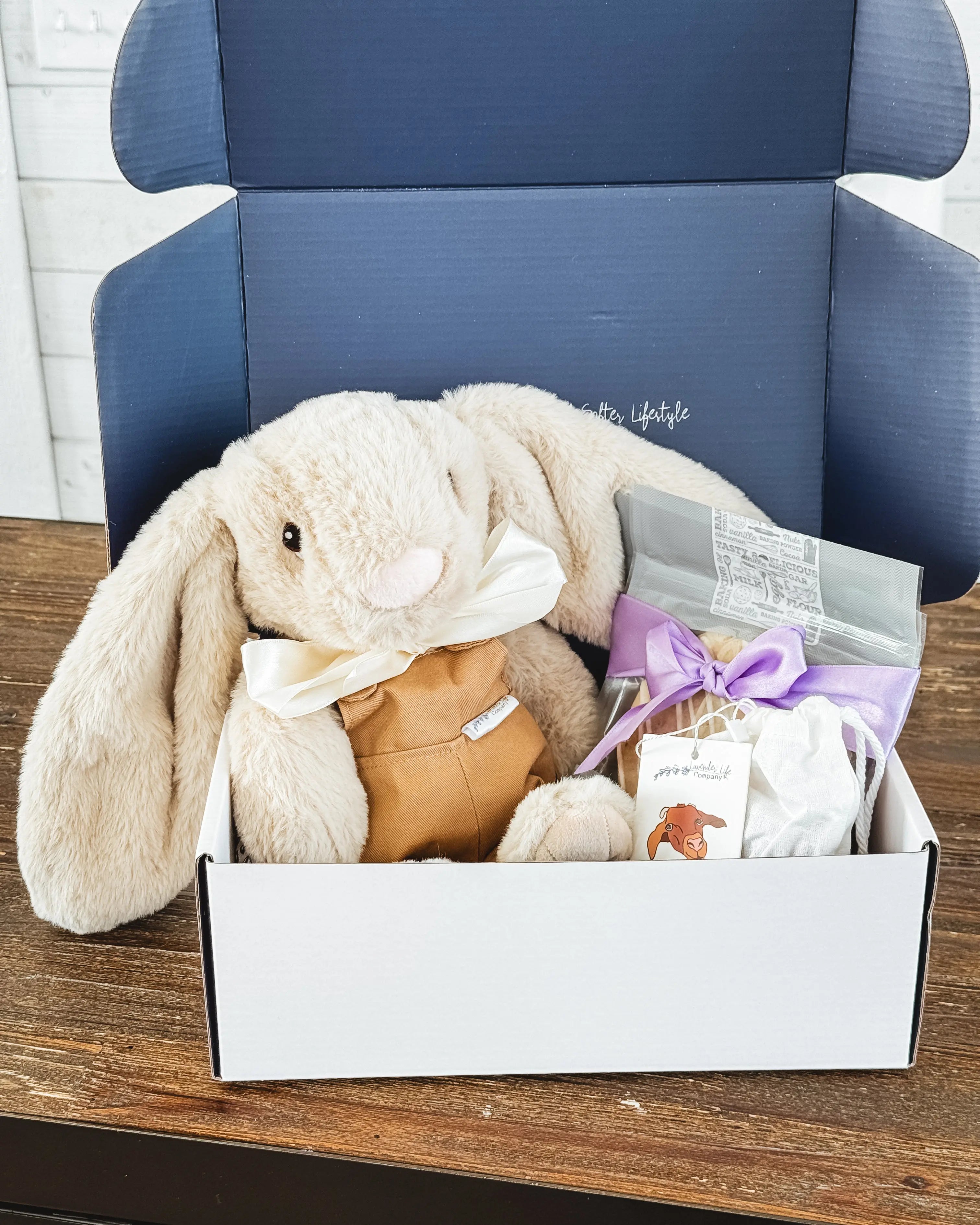
- Make bedtime a ritual: for kids, a warm Xander Friend to hold at lights-out. Every one you buy sends one to a child in foster care.
Good to know
- Never apply undiluted essential oil to skin. Mix it with a carrier oil and patch-test first.
- If you are pregnant, nursing, or take sedatives or other medicines, ask your doctor before using concentrated lavender products.
- Scent is personal. If lavender is not for you, it is not for you.
Frequently asked questions
What kind of lavender has been studied?
Mostly Lavandula angustifolia, English lavender, the species we grow.
Does lavender tea or a candle work like the capsules in the studies?
Not in the same way. The anxiety trials used a standardized oral capsule. Scent-based studies are about aromatherapy, mainly for sleep and relaxation.
Can I use lavender with my medications?
Lavender is widely used, but if you take sedatives, blood thinners or other prescription medicines, check with your doctor first.
These statements have not been evaluated by the Food and Drug Administration. Our products are not intended to diagnose, treat, cure, or prevent any disease. Talk with your doctor about any health concerns.