

🔄
Skip to content

✌🏼 Fast Shipping! Free on Orders of $100 or More!

The Practical Guide to Growing Organically Grown Lavender

Organically Grown Lavender - The Practical Guide to Growing Organically Grown Lavender

Updated on: April 3, 2026

Organically grown lavender represents a sustainable and health-conscious choice for consumers seeking natural products without synthetic pesticides or chemicals. This comprehensive guide explores the benefits, cultivation practices, and practical applications of naturally cultivated lavender varieties. Discover why choosing organic lavender supports both personal wellness and environmental sustainability, and learn how to identify authentic organic products in today's marketplace.

Table of Contents

Understanding Organically Grown Lavender

Organically grown lavender refers to lavender plants cultivated without synthetic fertilizers, pesticides, herbicides, or genetically modified organisms. This cultivation method respects natural ecosystems while producing lavender with superior aromatic and therapeutic properties. The organic farming approach emphasizes soil health, water conservation, and biodiversity, making it an environmentally responsible choice for both farmers and consumers.

The distinction between conventional and organic lavender production is significant. Conventionally grown lavender may contain residual chemical compounds from agricultural treatments, whereas naturally cultivated varieties maintain their pure botanical composition. Many consumers report enhanced aromatherapy benefits and better skin compatibility when using products derived from organically grown lavender sources.

Understanding certification standards is essential when purchasing organic lavender products. Legitimate organic certifications require third-party verification and adherence to strict agricultural standards. These certifications ensure that products labeled as organic meet rigorous criteria established by agricultural regulatory bodies. When shopping for authentic organic lavender, consumers should seek visible certification marks and transparent sourcing information from reputable vendors.

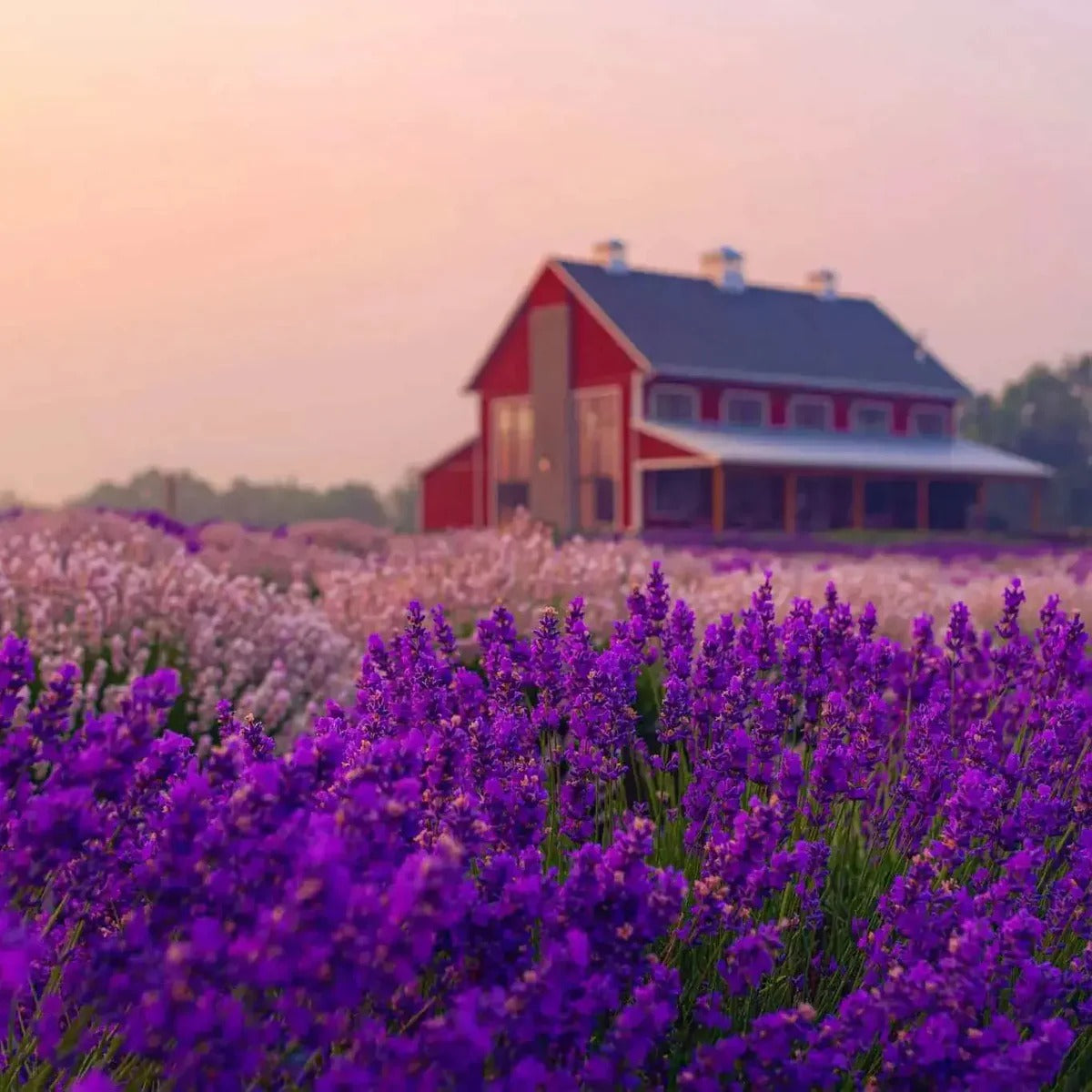
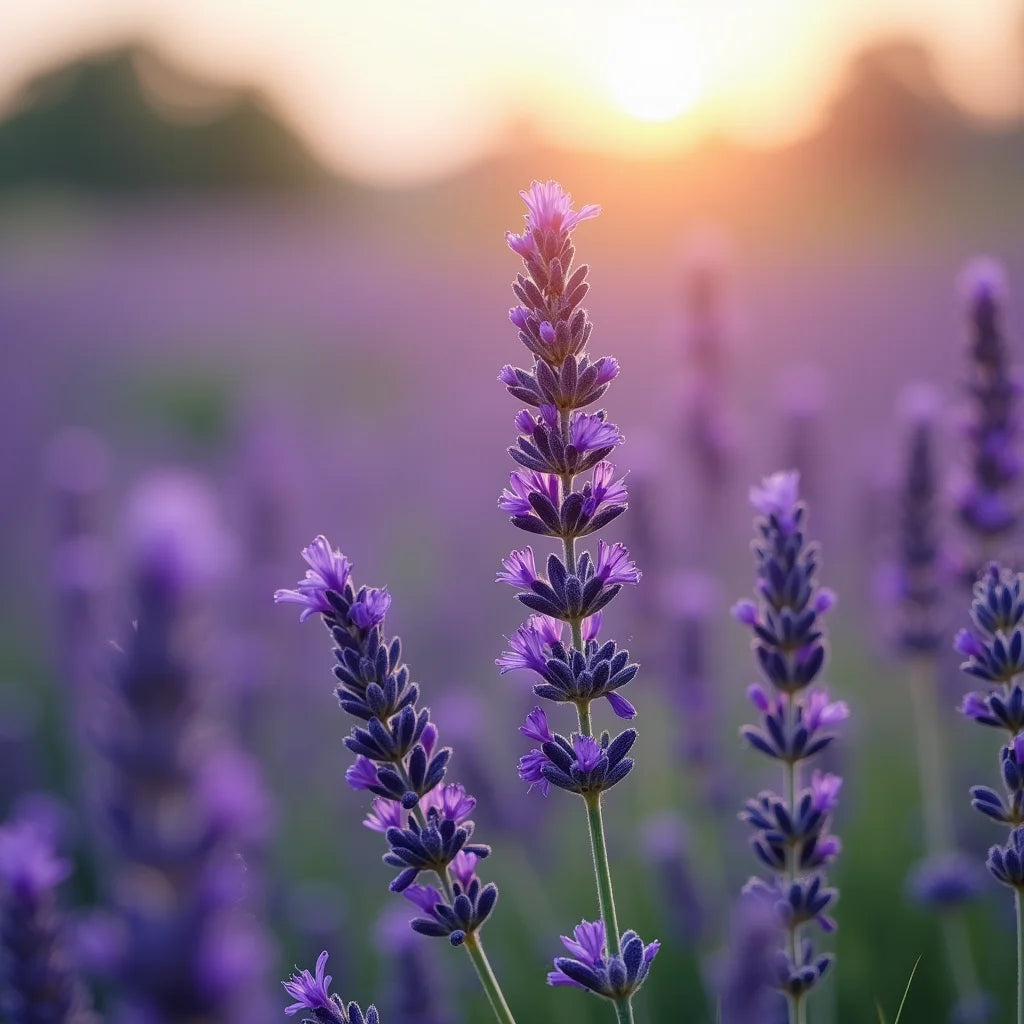
Lavender fields under sunlight with natural soil and sustainable farming practices

Lavender fields under sunlight with natural soil and sustainable farming practices

Did You Know?

  • Lavender has been cultivated for over 2,500 years and remains one of the most economically valuable medicinal herbs worldwide.
  • Organic lavender production yields approximately 30 percent higher essential oil concentrations compared to certain conventional growing methods.
  • The naturally cultivated variety contains beneficial compounds including linalool and linalyl acetate, which contribute to its distinctive therapeutic properties.
  • France produces the majority of the world's commercially available organic lavender, with the Provence region being particularly renowned for quality.
  • Organically grown lavender requires no synthetic chemicals, making it suitable for households with children, pets, and individuals with chemical sensitivities.
  • Native pollinator populations increase significantly in organic lavender fields, supporting broader ecosystem health.

Expert Tips for Choosing Organic Lavender Products

  • Verify certification labels from recognized organic regulatory bodies before purchasing any lavender product claiming organic status.
  • Examine product ingredient lists to confirm that lavender is the primary component, without diluting carrier oils or synthetic additives.
  • Purchase from established retailers with transparent sourcing practices and clear information about cultivation regions and harvest dates.
  • Look for products featuring whole dried lavender buds rather than pre-ground varieties, as whole forms retain essential oils longer.
  • Request sourcing documentation from vendors to confirm organic status and understand the supply chain from farm to consumer.
  • Compare multiple suppliers to identify competitive pricing while maintaining high quality and authenticity standards.
  • Consult product reviews and testimonials from verified purchasers to assess real-world performance and quality consistency.
  • Consider exploring dried lavender gift bundles that feature certified organic varieties with comprehensive sourcing transparency.

Personal Experience with Organic Cultivation

During a visit to a family-operated organic lavender farm in the Pacific Northwest, I witnessed firsthand the meticulous care required for sustainable cultivation. The farm manager explained that organically grown lavender demands more attention to soil management, pest prevention through natural methods, and careful timing of harvest activities. Despite these additional labor requirements, the resulting lavender possessed an intensity and purity that immediately distinguished it from conventional products I had previously used.

Walking through the flowering fields in mid-summer revealed the remarkable biodiversity present in organic operations. Beneficial insects, native bees, and wildflowers thrived throughout the landscape, creating a vibrant ecosystem that supports natural pest management. The farm manager shared that this biological approach eliminates the need for synthetic pesticide applications while producing lavender with enhanced aromatic properties. The experience reinforced my understanding that naturally cultivated lavender represents not merely a product choice, but an investment in sustainable agriculture and environmental stewardship.

The most striking moment came during the harvest period, when I observed workers carefully hand-selecting lavender bundles at peak bloom. This labor-intensive approach ensures optimal essential oil content and prevents damage to delicate flowers. While this method increases production costs, it results in superior quality organically grown lavender that justifies the investment for quality-conscious consumers.

Health and Environmental Benefits

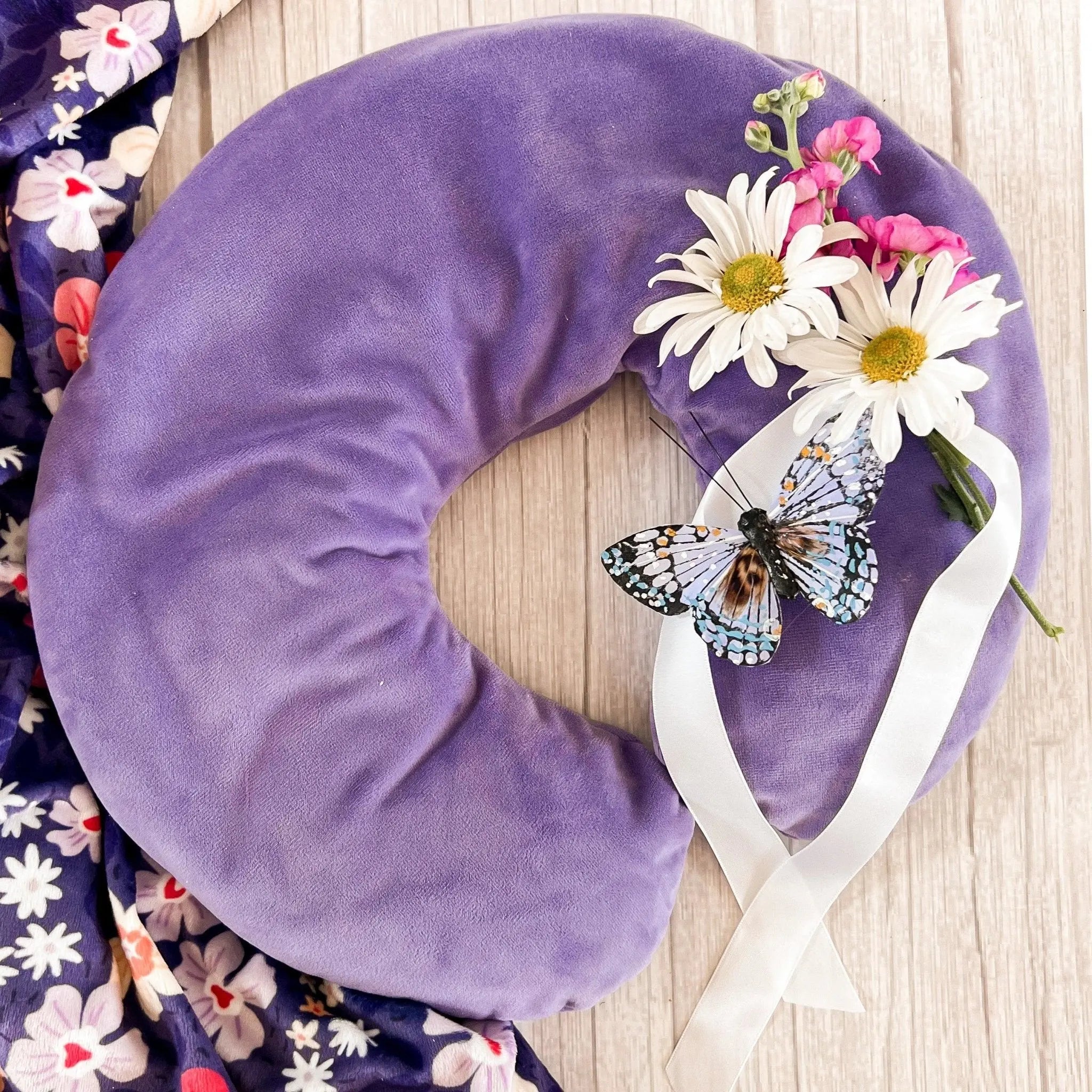
Organically grown lavender offers numerous health advantages that extend beyond simple aromatherapy applications. The absence of synthetic pesticide residues makes it safer for direct skin application, particularly for individuals with sensitive skin. Products like lavender comfort neck wraps provide therapeutic benefits without chemical exposure concerns. When combined with stress-relief practices, naturally cultivated lavender supports relaxation and general wellness objectives.

Environmental benefits of organic lavender cultivation are equally significant. Organic farming practices build soil structure, increase water retention capacity, and eliminate chemical runoff that contaminates groundwater systems. These methods support long-term agricultural sustainability while reducing carbon emissions associated with synthetic fertilizer production. Consumers choosing organically grown lavender actively contribute to preserving ecosystem health and supporting responsible land management practices.

Pollinator bees visiting lavender blooms in pesticide-free organic agriculture environment

Pollinator bees visiting lavender blooms in pesticide-free organic agriculture environment

The therapeutic applications of organically grown lavender span numerous wellness contexts. Lavender aromatherapy candles crafted from organic sources deliver consistent aromatic benefits without volatile organic compounds associated with synthetic fragrances. Home wellness practitioners increasingly recognize that naturally cultivated lavender provides superior results compared to chemically treated alternatives, making it a worthwhile investment for health-conscious households.

Summary and Key Takeaways

Organically grown lavender represents a premium choice for consumers prioritizing health, sustainability, and authentic botanical benefits. The distinction between organic and conventional cultivation methods significantly impacts product quality, safety, and environmental impact. By understanding certification standards, examining ingredient transparency, and supporting reputable vendors, consumers can confidently incorporate naturally cultivated lavender into their wellness routines.

Key takeaways include the importance of verifying organic certifications, understanding cultivation practices that enhance essential oil concentration, and recognizing the broader environmental benefits of supporting organic agriculture. When selecting lavender products, prioritize vendors with transparent sourcing information and commitment to sustainable practices. Consider exploring comprehensive product collections like calm and cozy gift boxes that feature multiple organically grown lavender varieties for diverse wellness applications.

The growing availability of organically grown lavender products reflects increasing consumer demand for natural, sustainable alternatives to conventional options. This market expansion creates opportunities to support ethical farming practices while enjoying superior product quality. Whether used for aromatherapy, skincare, or stress relief applications, naturally cultivated lavender offers tangible benefits that justify its position as a premium wellness choice.

Frequently Asked Questions

What distinguishes organically grown lavender from conventionally cultivated varieties?

Organically grown lavender is cultivated without synthetic pesticides, fertilizers, or genetically modified organisms. Conventional methods often employ chemical treatments that can leave residual compounds on plants. Organic cultivation relies on natural pest management, crop rotation, and soil enrichment techniques. This approach produces lavender with higher essential oil concentrations and greater purity, making it superior for aromatherapy and wellness applications. Additionally, organic farming practices support ecosystem health and environmental sustainability, providing benefits that extend beyond individual product quality.

How can consumers verify that lavender products are genuinely organic?

Authentic organic lavender products display visible certification marks from recognized regulatory bodies such as the United States Department of Agriculture, European Union organic standards, or equivalent national authorities. Reputable vendors provide detailed sourcing information, cultivation region details, and certification documentation upon request. Consumers should examine product labels for complete ingredient lists and avoid products with vague sourcing descriptions. Purchasing from established retailers with transparent business practices and positive customer reviews significantly reduces the risk of acquiring misrepresented products.

What health and wellness benefits does organically grown lavender provide?

Organically grown lavender offers numerous wellness applications without concerns about synthetic chemical exposure. The pure essential oils promote relaxation, support restful sleep patterns, and provide calming aromatherapy benefits. When applied topically through creams or oils, naturally cultivated lavender is suitable for sensitive skin applications. The absence of pesticide residues makes it particularly valuable for individuals with chemical sensitivities or those seeking safer products for family use. Consistent use of organically grown lavender products contributes to improved stress management and general emotional wellness objectives.

Does organically grown lavender cost significantly more than conventional varieties?

Naturally cultivated lavender typically costs more due to increased labor requirements, lower yield volumes, and certification expenses. However, the superior quality, higher essential oil concentration, and therapeutic effectiveness often justify the premium pricing. When considering value rather than price alone, organically grown lavender delivers better results per application, potentially offsetting higher initial costs. Long-term savings may result from using smaller quantities to achieve desired wellness outcomes compared to conventional products requiring greater application volumes.

Where should consumers purchase authentic organically grown lavender products?

Reputable vendors specializing in natural and organic products provide the highest quality assurance for organically grown lavender purchases. Established retailers with transparent sourcing practices, customer reviews, and certification documentation offer better protection against counterfeit or misrepresented products. Online vendors with secure payment systems, return policies, and responsive customer service represent reliable options. When evaluating potential suppliers, verify their certification partnerships, review customer testimonials, and request detailed product information before making purchasing decisions.

Can organically grown lavender be used safely around children and pets?

Organically grown lavender is generally safer for household use around children and pets compared to conventionally treated varieties due to the absence of synthetic chemical residues. However, proper dilution and application methods remain important considerations for safety. Essential oils should never be applied directly to skin without appropriate carrier oils, and ingestion should be avoided unless under professional guidance. Consult with healthcare providers or aromatherapy specialists to establish appropriate usage protocols for specific family circumstances, particularly for young children or animals with sensitivities.

About the Author

Author Biography

This article was created by the Lavender Life Company editorial team, drawing on extensive expertise in organic agriculture, botanical wellness, and sustainable farming practices. Our team maintains direct relationships with certified organic lavender producers and maintains current knowledge of industry standards, certification requirements, and market developments. With a commitment to providing accurate, evidence-based information about naturally cultivated lavender products, we help consumers make informed purchasing decisions aligned with their health and environmental values. We remain dedicated to supporting the organic agriculture movement and promoting access to pure, sustainably produced lavender for wellness-conscious households everywhere.

Previous Post Next Post

Leave A Comment

Please note, comments need to be approved before they are published.