







Yes, you can absolutely cook with lavender — the secret is using the right kind, and using less of it than you think. Culinary lavender adds a gentle floral note to everything from tea and honey to shortbread and roasted vegetables. Use the wrong variety, or a heavy hand, and it turns soapy. Here is exactly how to get it right, from a family that grows and cooks with it every day.
Can you actually cook with lavender?
You can, and people have for centuries. Lavender belongs to the same family as mint, rosemary, and thyme, so it behaves like an herb in the kitchen. The catch is that not every lavender is meant to be eaten, and the flavor is concentrated — a little carries a whole dish. Treat it like a spice rather than a salad green and you will love it.
Which lavender is safe to eat?
For cooking you want English Lavender — botanically Lavandula angustifolia. It is naturally sweeter and lower in the compounds that make some lavender taste sharp or medicinal. Varieties grown mainly for scent or landscaping are higher in those compounds and are best left in the garden, not the mixing bowl.
Two rules matter just as much as the variety. First, only ever cook with lavender sold as food-grade or culinary. Ornamental buds from a craft store or florist may have been treated with something you should not eat. Second, choose lavender grown without pesticides. Our Dried Culinary Lavender is farm-grown, natural, and pesticide-free — the English Lavender we harvest and pack ourselves specifically for the kitchen.

What does culinary lavender taste like?
Good culinary lavender tastes floral and lightly sweet, with a hint of citrus and rosemary and a cool, minty finish. It pairs beautifully with lemon, honey, vanilla, berries, chocolate, and dark stone fruits, and it holds its own next to savory foods like roasted lamb, chicken, and root vegetables. If your dish ever tastes like soap or perfume, you simply used too much — the flavor is there to whisper, not shout.
How much lavender should you use?
This is the single most common mistake, so here is a safe starting point:
- Dried buds: start with about 1 teaspoon per batch (a loaf, a dozen cookies, a pot of tea). You can always add more next time.
- As a rule of thumb: use roughly one-third the amount you would use of an everyday herb like rosemary.
- Grind it with a little sugar in the recipe for even distribution and a softer flavor.
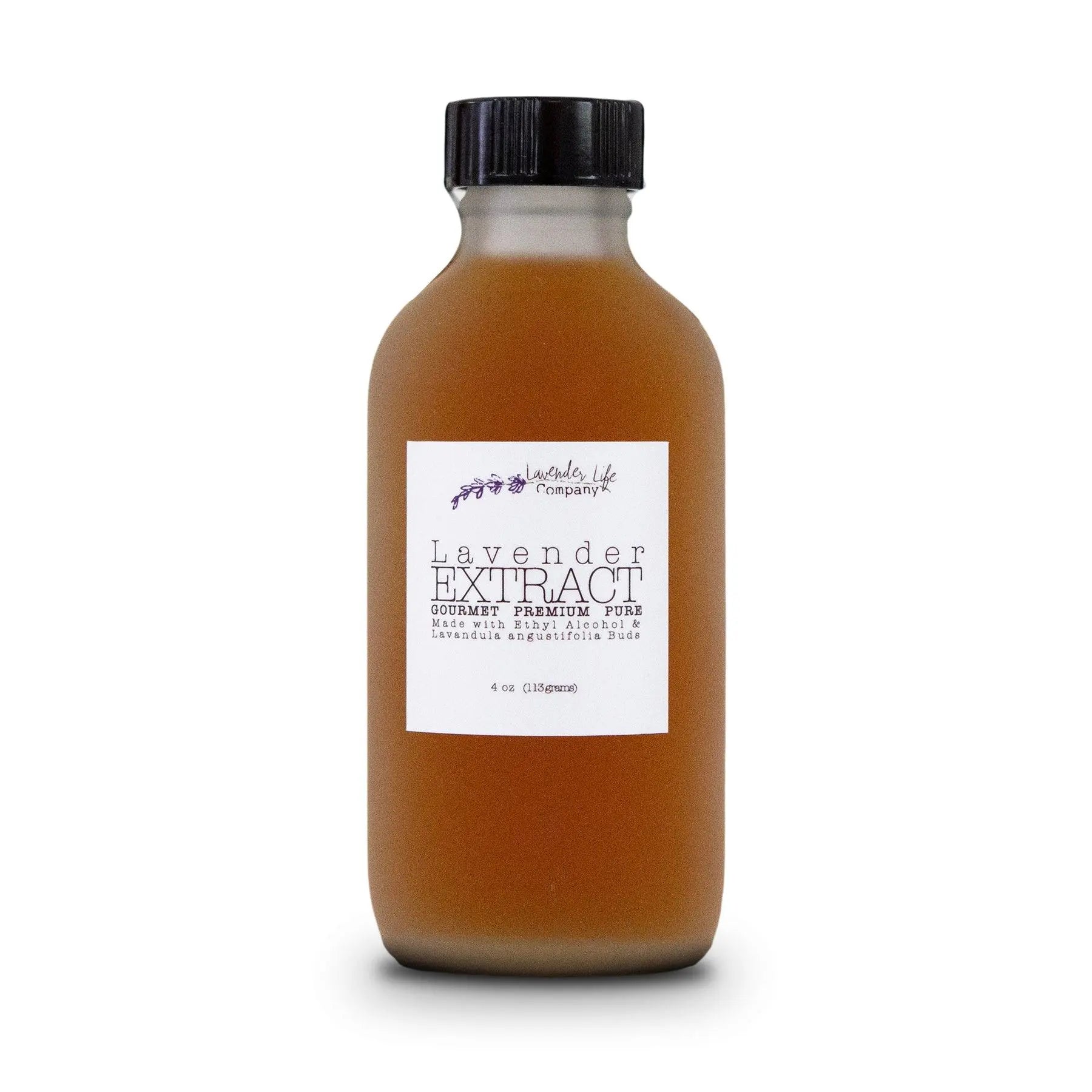
The shortcut most cooks miss: a few drops of pure extract give you consistent lavender flavor without straining buds out of the batter. Our Culinary Lavender Extract is distilled in small batches from our own Michigan flowers, so one bottle seasons dozens of recipes — and it never leaves a gritty texture.

6 ways to cook with lavender
- Lavender tea. Steep 1 teaspoon of dried buds in hot water for 5 minutes for a calming cup on its own or blended with black or green tea.
- Lavender sugar. Bury 2 tablespoons of buds in a jar of sugar for a week; use it in shortbread, whipped cream, and the rims of cocktails.
- Baking. Fold buds or a few drops of extract into scones, shortbread, pound cake, and pancakes. Our Lavender Buckwheat Pancake Mix does the measuring for you.
- Drizzle with honey. Lavender and honey are a classic pairing — spoon Lavender-Lemon Infused Honey over yogurt, toast, or a warm biscuit.
- Beverages. A drop of extract turns a plain latte, lemonade, or sparkling water into something special.
- Savory dishes. Add a pinch to a spice rub for lamb or chicken, or to roasted potatoes and carrots.

Two simple recipes to start
Calming Lavender Honey Latte
Warm a cup of milk, whisk in 1 teaspoon of lavender honey and a single drop of lavender extract, then pour over a shot of espresso or strong coffee. Gentle, floral, and ready in three minutes.
3-Ingredient Lavender Shortbread
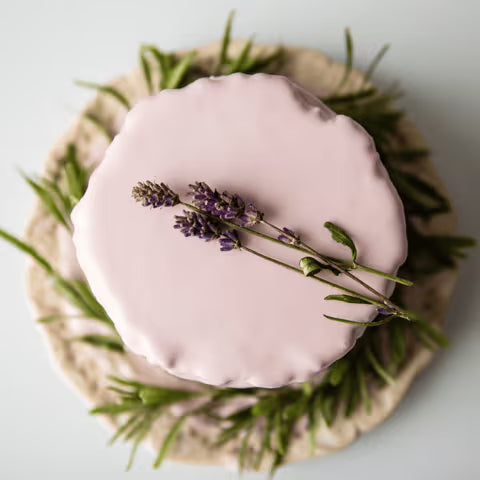
Cream 1 cup butter with 2/3 cup lavender sugar (see above), stir in 2 cups flour, press into a pan, and bake at 325°F for about 20 minutes. The flavor is delicate, buttery, and unmistakably special.
How do you store culinary lavender?
Keep dried buds in an airtight jar away from heat and light, and they will hold their flavor for a year or more. Extract lasts even longer in the pantry. Because lavender is so concentrated, a single jar goes a remarkably long way.
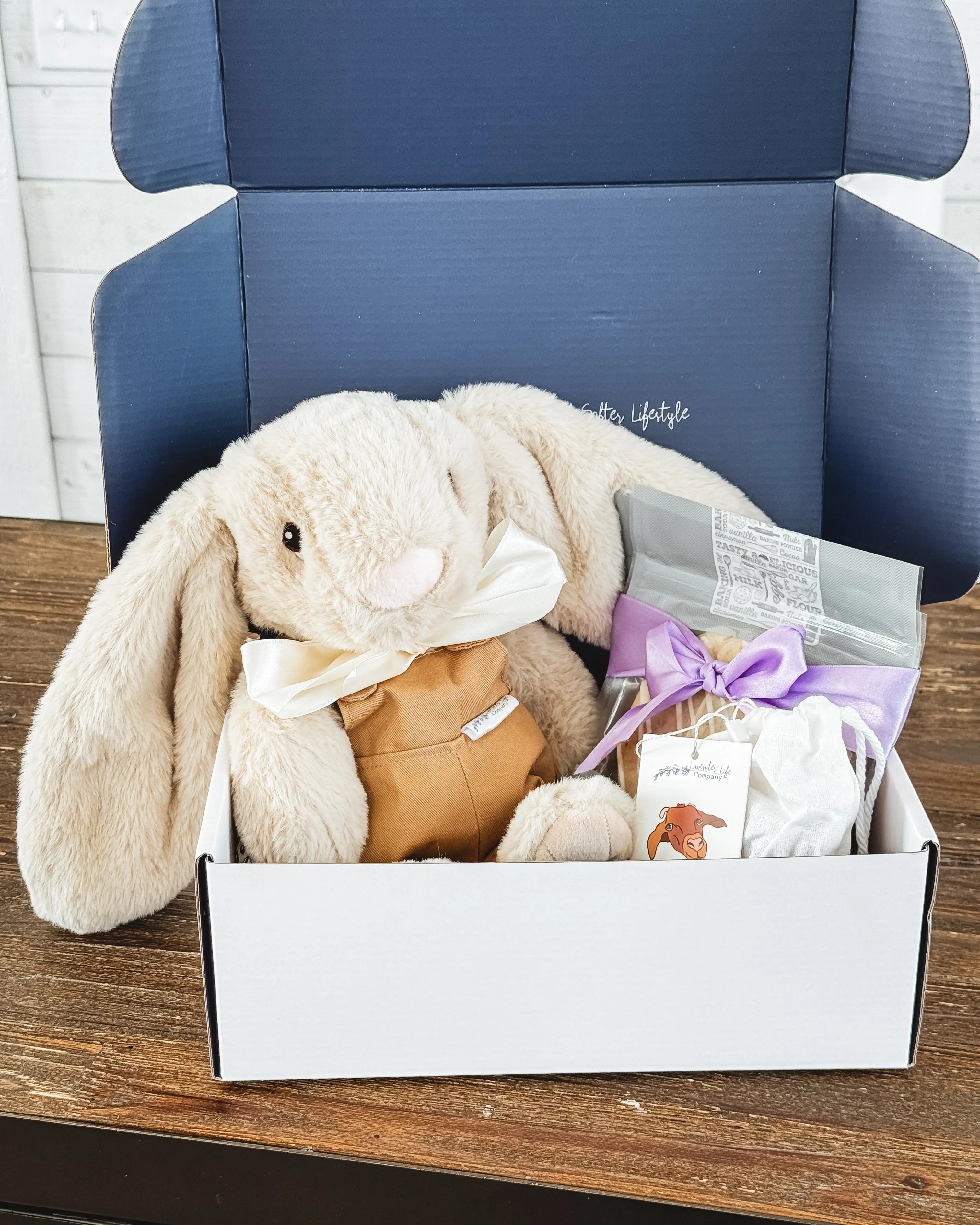
New to cooking with lavender and not sure where to begin? The Culinary Lavender Trio pairs our buds, extract, and honey in one set — an easy way to taste all three and find your favorite. Shipped to your door for a flat $5, anywhere in the USA.
Frequently asked questions
Is all lavender safe to eat?
No. Only food-grade culinary lavender — ideally English Lavender (Lavandula angustifolia) grown without pesticides — should be eaten. Ornamental or florist lavender may be treated with chemicals and is not meant for cooking.
What is the best lavender for cooking?
English Lavender (Lavandula angustifolia) is the culinary favorite because it is sweeter and less sharp than varieties grown for fragrance.
How much culinary lavender should I use?
Start with about 1 teaspoon of dried buds per batch, or roughly one-third the amount of a common herb. Lavender is potent, so it is easy to overdo — add gradually.
Why does my lavender food taste like soap?
Almost always too much lavender, or a non-culinary variety. Reduce the amount, grind the buds with sugar, or switch to a few drops of extract for a smoother result.
Can I use lavender extract instead of buds?
Yes. A few drops of pure culinary lavender extract give consistent flavor with no grinding or straining, and it works especially well in drinks, frostings, and batters.