






Have you ever dreamed of baking a lemon and lavender scone, only to be held back by a tiny worry? A fear that your beautiful creation might taste more like perfume than pastry? It’s a common hesitation, but the secret to unlocking this wonderfully soothing flavor lies in understanding edible lavender-knowing which kind to choose and how to use it with a loving touch. We’re here to take that worry away and gently guide you into the kitchen with confidence.
This guide is your warm invitation to embrace the delightful world of culinary lavender. We’ll walk you through choosing the right varieties so your dishes taste delicately floral, never soapy. You'll learn how much to use for that perfect hint of flavor, discover which ingredients pair beautifully with it, and feel empowered to source high-quality, safe lavender for all your creations. Let’s begin this comforting journey from the garden to your table, together.
Key Takeaways
- Discover how to select the right culinary lavender variety to ensure your dishes have a sweet, gentle flavor, not a soapy one.
- Learn the golden rule for cooking with lavender to gently enhance your recipes without overpowering them.
- Understand the crucial difference between ornamental and edible lavender to confidently and safely bring its soothing qualities to your kitchen.
- Find the perfect flavor companions, from bright citrus to rich cream, that beautifully balance lavender's unique floral notes.
What is Edible Lavender? Uncovering its Gentle Flavor
When you think of lavender, your mind might drift to fragrant soaps or calming essential oils. But what about bringing that gentle, soothing essence into your kitchen? Using edible lavender is a beautiful way to add a touch of unexpected warmth and elegance to your cooking and baking. It’s a practice that invites a moment of calm into the simple act of preparing a meal.
It’s important to know that not all lavender is created equal. Culinary lavender refers to specific, food-grade varieties, typically English lavender (Lavandula angustifolia), which are grown without pesticides and have a lower camphor content. To understand the vast family of this herb, it's helpful to explore the question, What is Lavender?, as many ornamental types are too potent for consumption. Choosing the right kind is the secret to unlocking its true, delicate flavor.
The True Taste of Culinary Lavender
So, what does it actually taste like? Forget any fears of a soapy flavor-that overpowering taste only happens when too much is used or when a non-culinary variety is chosen. When used correctly, edible lavender has a subtly sweet, floral flavor with light, earthy notes. Think of it as a gentle cousin to herbs like rosemary or mint; it adds a sophisticated, aromatic layer without overwhelming the dish. It’s a whisper of flavor, not a shout.
A Touch of Wellness in Your Kitchen
Beyond its lovely taste, lavender has long been cherished for its calming properties. Incorporating it into your food can be a simple, heartfelt way to add a moment of comfort to your day. Lavender contains beneficial plant compounds, including antioxidants, that contribute to its wholesome reputation. Sprinkling a pinch into a recipe is more than just adding an ingredient-it's an invitation to slow down, savor the moment, and nourish your body and spirit with a touch of floral wellness.
Choosing the Right Lavender for Cooking and Baking
Venturing into the world of culinary lavender is a truly wonderful journey, but the secret to success begins long before you preheat the oven. The most important step is choosing the right variety. Not all lavender is created equal for the kitchen; some varieties offer a gentle, floral sweetness, while others can impart a soapy or medicinal taste. When you select your lavender, you're looking for vibrant color and a fragrant, sweet scent-key indicators of quality. This ensures your final dish is infused with comfort, not camphor.
You’ll often see the term 'culinary grade' on packages of edible lavender. This label is your assurance that the lavender was grown, harvested, and processed specifically for consumption, meaning it is free from pesticides or other harmful chemicals. For helpful tips on what to look for, Purdue University Extension offers guidance on selecting and storing culinary lavender to preserve its delicate flavor.
English Lavender (Lavandula angustifolia): The Chef's Choice
For a flavor that is reliably sweet and beautifully floral, English lavender is the heart of culinary creations. Its magic lies in its very low camphor content, the compound responsible for the strong, sometimes pungent, scent found in other varieties. This results in a soft, gentle flavor perfect for everything from shortbread to savory rubs. Look for popular cultivars like 'Munstead' and 'Hidcote', which are cherished by chefs and home bakers alike for their exceptional taste.
Other Varieties: When to Be Cautious
While beautiful in the garden, varieties like French (Lavandula stoechas) or Spanish lavender are generally not recommended for cooking. Their significantly higher camphor content creates a flavor profile that can be overwhelmingly strong, often described as medicinal or bitter. To ensure your first experience with baking with lavender is a joyful success, we gently advise sticking with English lavender.
A Note on Using Homegrown Lavender
Using lavender from your own garden can be a lovely, rewarding experience, but it’s important to do so with care. Before adding it to your recipes, be certain of two things:
- It is an English Lavender (Lavandula angustifolia) variety. This will guarantee the sweet, delicate flavor you want.
- It has been grown without any pesticides or chemicals. Only use lavender you know is 100% organic and safe to eat.
To ensure peace of mind and the purest taste, it's always safest to opt for a commercially sold culinary lavender if you have any doubts.
How to Use Edible Lavender: Simple & Gentle First Steps
Stepping into the world of culinary lavender is a wonderfully fragrant journey. Before you begin, remember the golden rule of cooking with this herb: a little goes a long way. Its soothing floral notes are potent, and just a touch is needed to add a layer of comforting elegance. Using too much can make a dish taste soapy, so always start with a small amount. When you choose a high-quality product meant for consumption, you can feel confident in your creations; you can even review the FDA guidance on edible lavender, which recognizes it as generally safe. You'll typically find edible lavender in a few common forms:
- Dried Lavender Buds: The most common form, perfect for direct use or infusions.
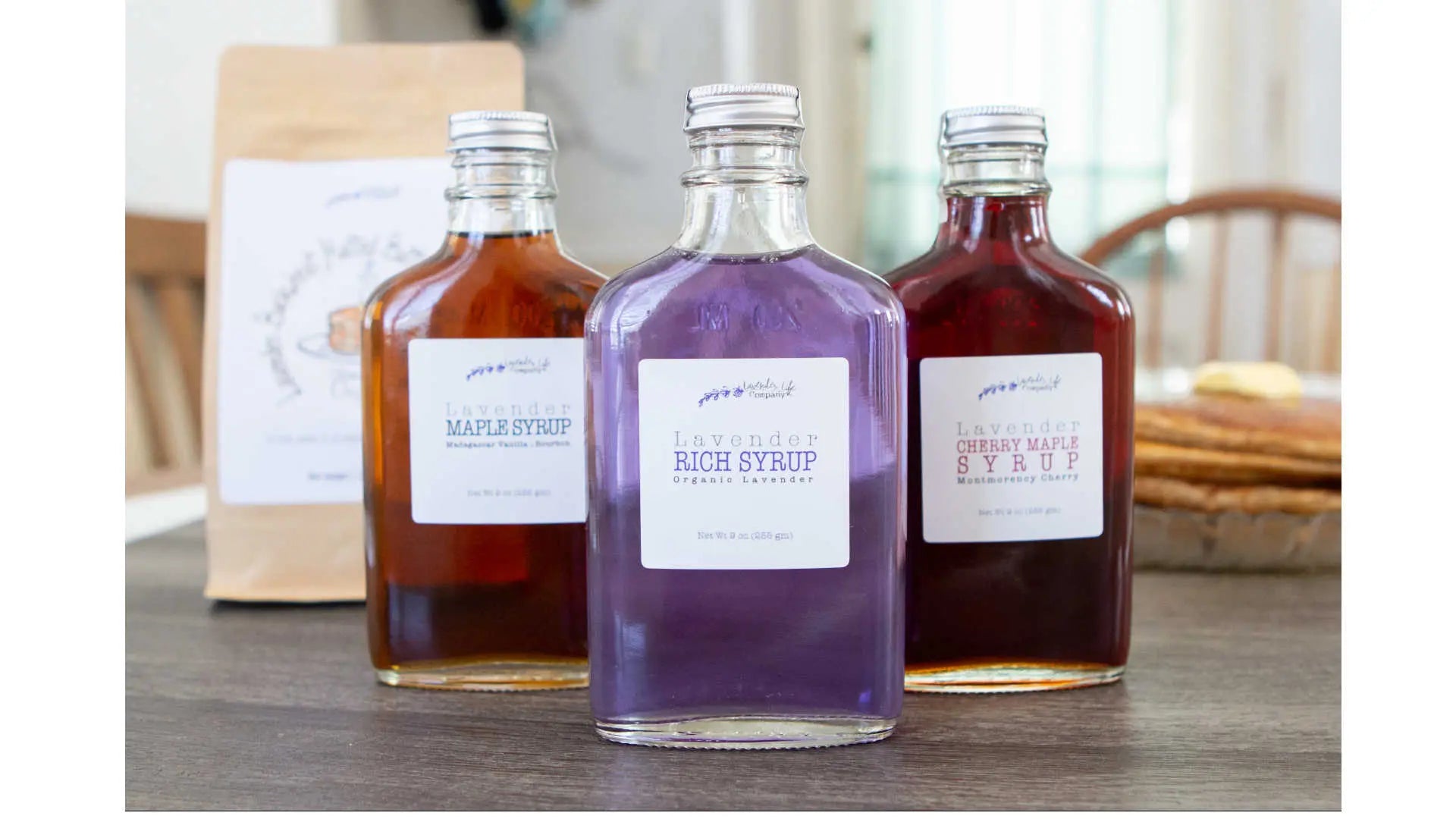
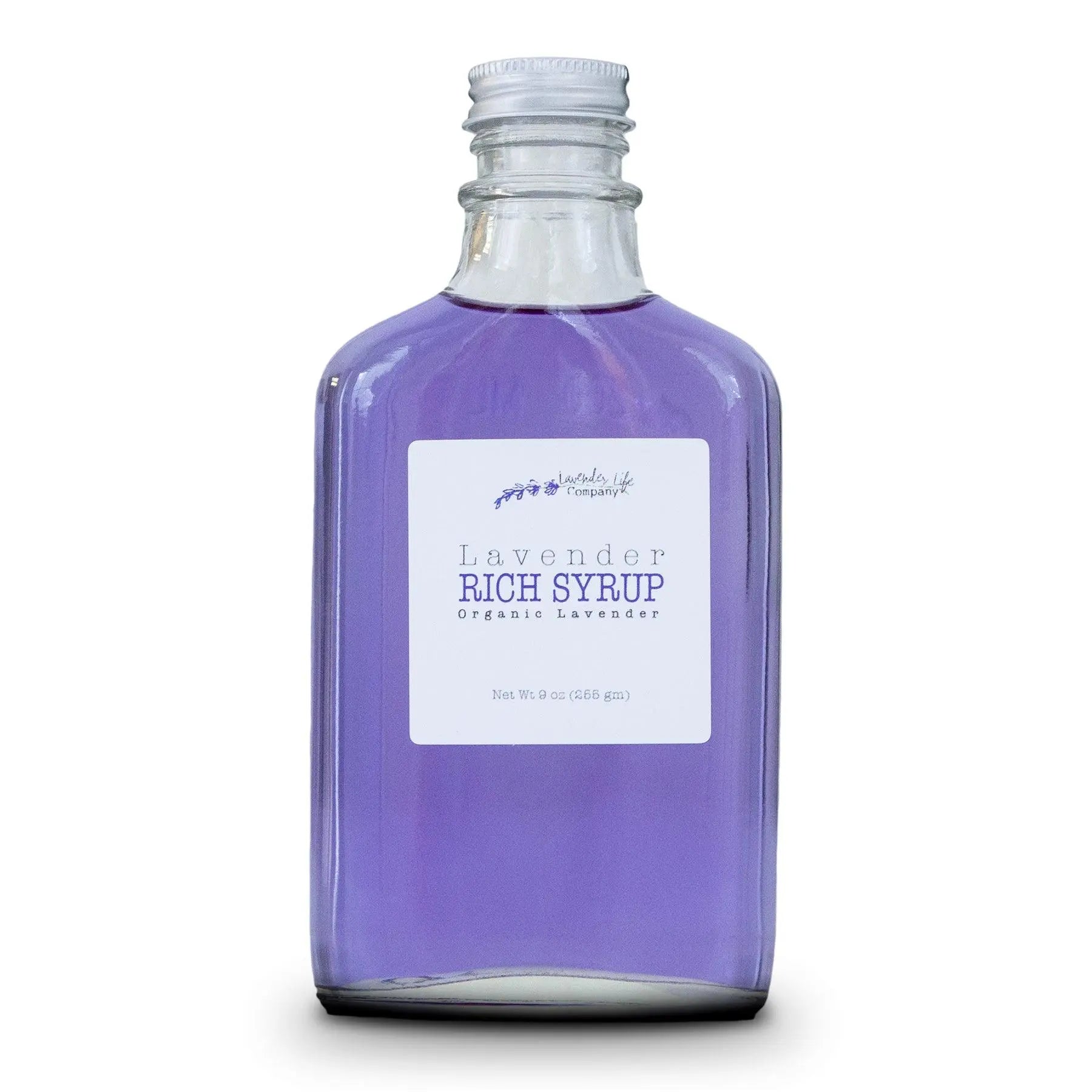
- Lavender Syrups: A sweet, ready-to-use option for drinks and desserts.
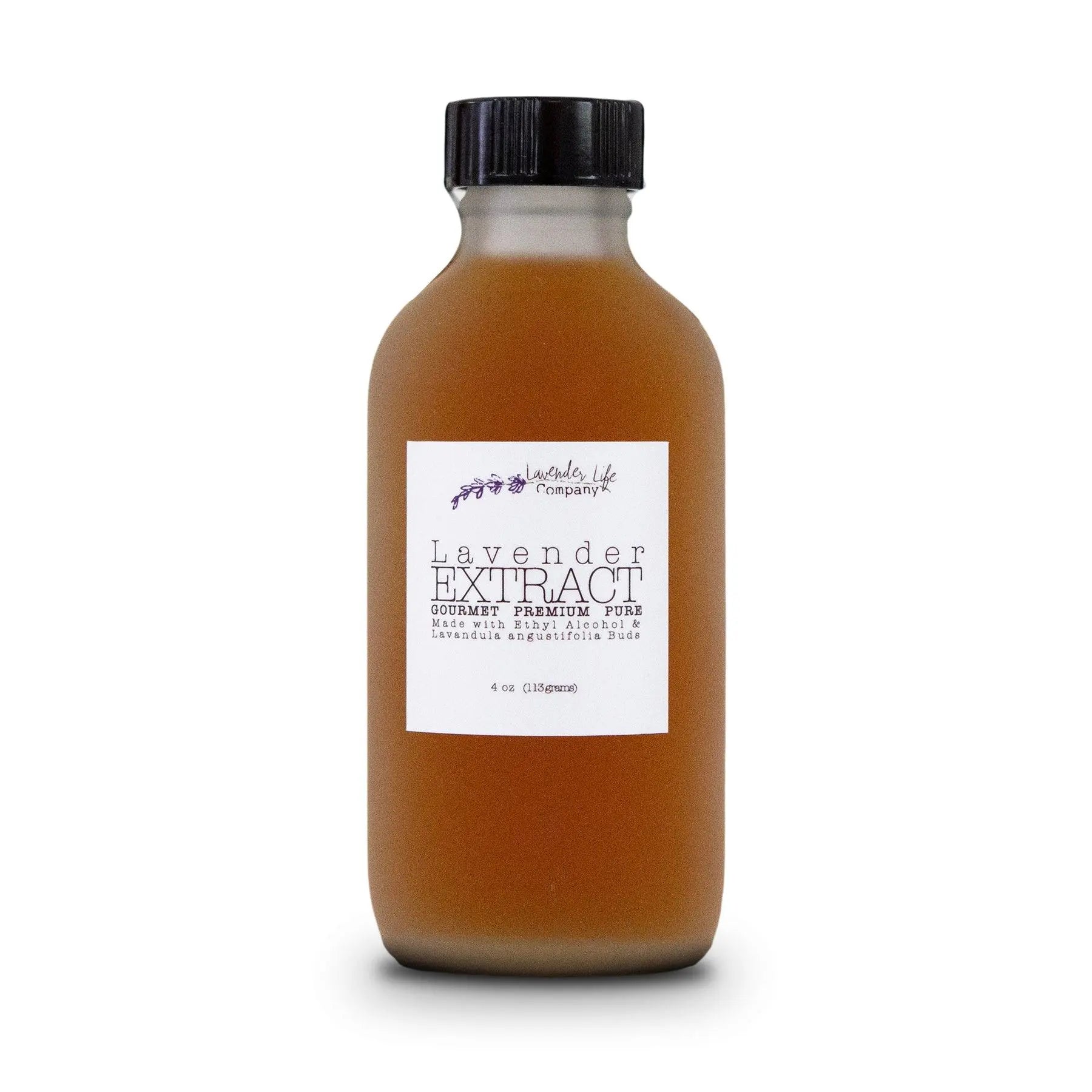
- Lavender Extracts: A highly concentrated liquid, similar to vanilla extract.
Working with Dried Lavender Buds
For even flavor distribution in recipes, it’s best to grind dried buds. A simple way to do this is by blending them with a tablespoon of sugar or salt from your recipe in a spice grinder or with a mortar and pestle. This prevents the flowers from clumping and ensures every bite has a gentle hint of lavender. For infusions, you can keep the buds whole and place them in a tea ball for easy removal.
Infusing Liquids with Floral Notes
Infusion is one of the most gentle ways to introduce lavender's flavor. To make a soothing lavender-infused milk for lattes or desserts, simply warm the milk (don't boil), add a small spoonful of buds, turn off the heat, and let it steep for 15-20 minutes before straining. This same method works beautifully for steeping lavender in lemonade or creating a lovely floral simple syrup for cocktails and teas.
Adding Lavender to Baked Goods and Desserts
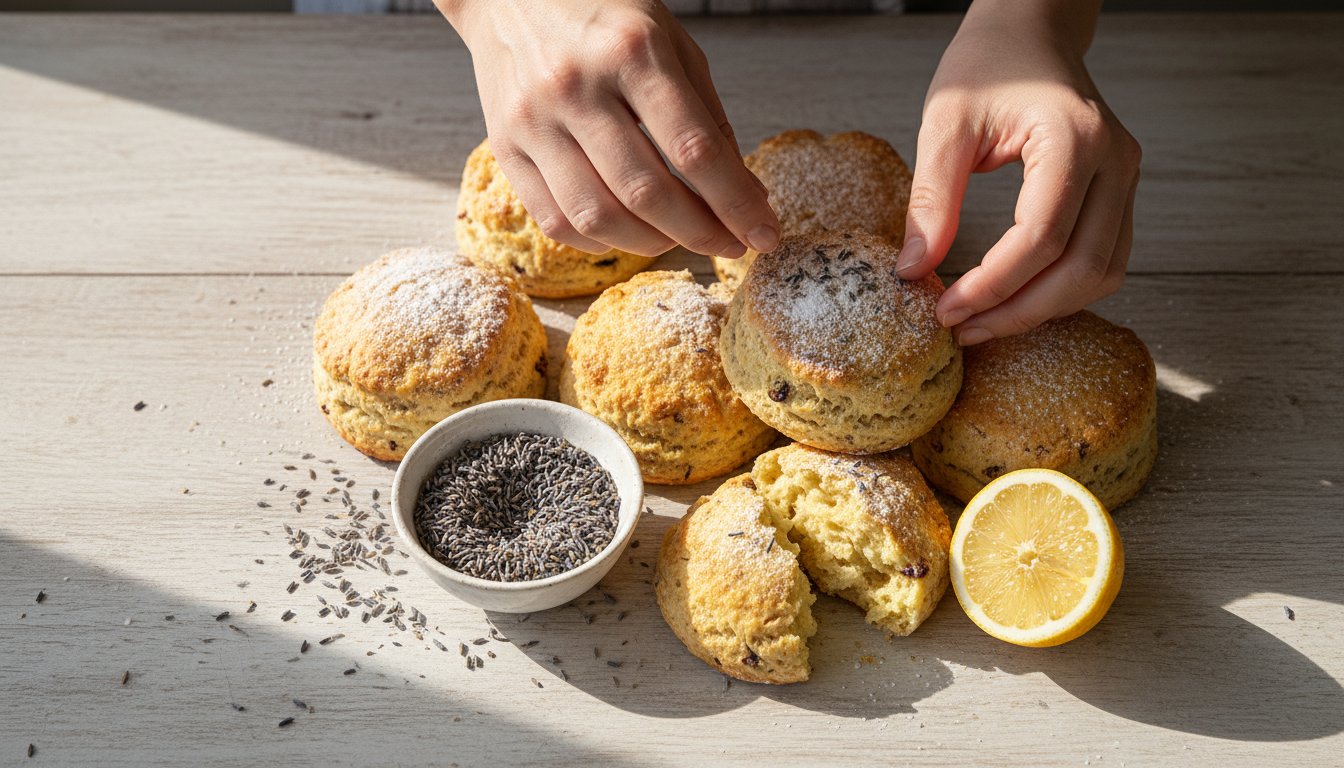
Lavender lends a sophisticated, comforting note to baked goods. Start with familiar recipes where its floral character can shine, like shortbread cookies, scones, or a simple pound cake. Add finely ground lavender directly to your dry ingredients (flour, sugar) to ensure it’s well-incorporated. For a creamy, dreamy treat, try churning it into homemade ice cream or infusing it into the cream for a delicate panna cotta.
Perfect Pairings: Flavors That Bloom with Lavender
In the culinary world, lavender is a wonderfully unique team player. While its aroma is famously bold, its flavor can be surprisingly delicate. Think of it as a background harmony rather than a lead vocal. Its floral notes, with hints of mint and rosemary, can elevate a dish from simple to truly special. The secret to cooking with this beautiful herb is balance-a gentle touch is all you need to infuse your creations with a comforting aroma and sophisticated flavor without overpowering the other ingredients.
Sweet Companions for Lavender
Lavender’s gentle sweetness shines brightest when paired with ingredients that complement its floral character. It brings a surprising and delightful twist to desserts and sweet treats, creating a sense of calm and comfort with every bite. Imagine the heartwarming harmony of lavender infused into your favorite recipes. Some classic pairings include:
- Fruits: Bright, zesty lemon is a perfect counterpoint to lavender's floral notes. It also pairs beautifully with the deep sweetness of berries (especially blueberry and blackberry) and sun-ripened stone fruits like peaches, plums, and apricots.
- Sweets: The richness of both dark and white chocolate is wonderfully enhanced by a hint of lavender. It also melds seamlessly with the simple purity of vanilla and the golden, earthy sweetness of honey.
- Dairy: Infuse lavender into heavy cream for custards or whipped toppings. Its flavor is also a lovely match for tangy goat cheese and rich, creamy mascarpone.
Savory & Herbal Friends
Beyond the dessert tray, edible lavender lends a beautiful, rustic warmth to savory dishes. It holds its own alongside robust, earthy flavors, creating meals that feel both wholesome and deeply satisfying. Its ability to complement other herbs is where it truly blossoms in savory cooking. Consider these comforting combinations:
- Herbs: As a member of the mint family, lavender is a natural partner to other Mediterranean herbs like rosemary, thyme, sage, and savory. In fact, it's a key ingredient in the classic French blend, Herbes de Provence, used to season grilled meats and stews.
- Meats: A lavender-infused rub is exquisite on roasted chicken, rich lamb, and even pork, adding a fragrant, peppery layer of flavor that is unforgettable.
The joy of using edible lavender is in the discovery. We invite you to welcome this versatile herb into your kitchen with an open heart and a curious palate. Start with a small pinch in a familiar recipe and let your creativity bloom. Whether you’re baking a simple shortbread or preparing a Sunday roast, lavender offers a touch of warmth and comfort to every bite, connecting your meal back to the simple goodness of the garden.
Where to Buy and How to Store Your Culinary Lavender
Once you’re ready to bring the soothing, aromatic flavors of lavender into your kitchen, the next step is finding high-quality buds and storing them properly. Not all lavender is created equal, and choosing the right kind ensures your culinary creations are safe, fragrant, and delicious. Here’s a gentle guide to help you select and preserve the very best.
Finding High-Quality Culinary Lavender
The most important step is to ensure you are buying culinary-grade lavender, which is grown without the use of pesticides or chemicals that are unsafe for consumption. You can often find wonderful sources at local farmers' markets, specialty spice shops, or directly from trusted lavender farms. When you're choosing your edible lavender, trust your senses:
- Look for vibrant color: The buds should have a rich, deep purple or blue-gray hue. Avoid lavender that looks dull, brown, or overly gray, as this is a sign of age.
- Smell for a strong fragrance: Fresh, high-quality lavender will have a powerful, sweet, and floral scent. If it smells dusty or faint, it has likely lost its potency.
Keeping Your Lavender Fresh and Fragrant
Once you've brought your beautiful lavender home, proper storage is key to preserving its flavor and aroma. To keep your dried buds at their peak, place them in an airtight container, like a small glass jar with a tight-fitting lid. Store the container in a cool, dark, and dry place, such as a pantry or spice cabinet, away from direct sunlight and heat. When stored with care, your dried lavender can remain fragrant and flavorful for one to three years.
From Our Farm to Your Kitchen
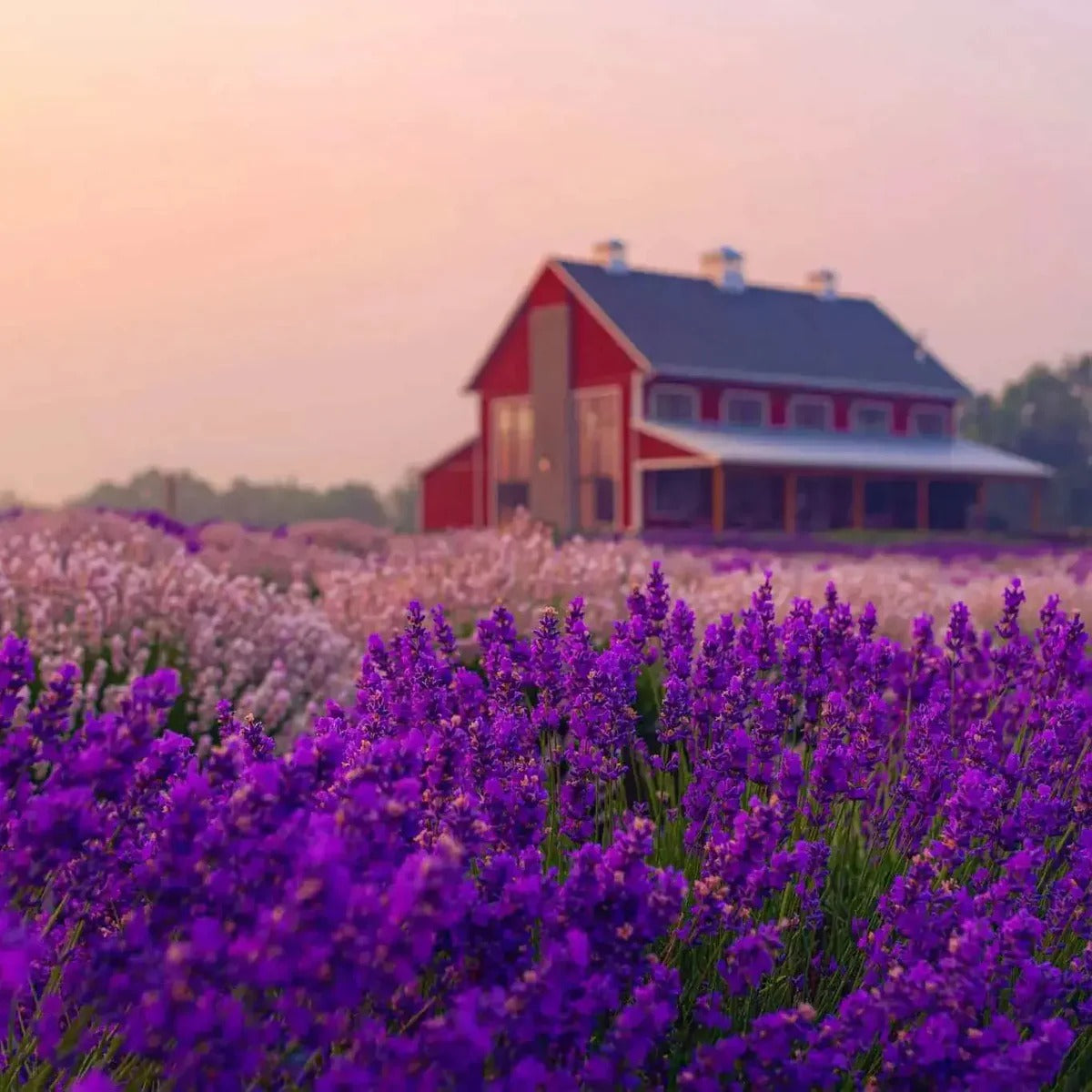
At Lavender Life, we pour our hearts into cultivating pure, Michigan-grown lavender that is perfect for your home. We carefully harvest and dry our culinary-grade buds to capture their comforting essence, ensuring every pinch you use brings a touch of warmth and tranquility to your recipes. We believe in providing only the best, from our family farm to your kitchen table. Explore our comforting collection of culinary lavender products.
Embrace the Gentle Joy of Culinary Lavender
Stepping into the world of culinary lavender is a beautiful way to add a touch of calm and unique flavor to your creations. We hope this gentle guide has left you feeling confident and inspired. You now know how to choose the right variety for its gentle flavor, how to begin with simple infusions and garnishes, and how to discover the perfect pairings for your kitchen. Remember that a little goes a long way in unlocking its soothing, floral notes.
When you’re ready to begin your journey, the quality of your ingredients matters most. As a trusted source for safe, food-grade edible lavender, we pour our hearts into every blossom. Grown with love on our Michigan Lavender Farm, our culinary lavender is hand-crafted to ensure the purest quality and flavor, bringing a piece of our comfort and care directly to you.
Bring the gentle flavor of our farm to your kitchen. Shop culinary lavender.
May your culinary adventures be filled with warmth, comfort, and the gentle joy of lavender. Happy creating!
Frequently Asked Questions About Edible Lavender
How much edible lavender should I use in a recipe?
When cooking with lavender, a gentle touch is always best, as its beautiful floral notes can quickly become overpowering. We recommend starting with a very small amount. A good rule is to use about 1/3 the amount of dried lavender as you would fresh. For a batch of 12 cookies, try ½ teaspoon of dried buds. For a quart of lemonade, start with just 1 tablespoon of fresh flowers. You can always add a little more to find your perfect, comforting flavor.
What is the difference between culinary lavender and lavender essential oil?
This is a wonderful and important question. Culinary lavender consists of the dried flower buds, meant to be gently infused or added into food for a soft, floral flavor. Lavender essential oil, on the other hand, is a highly concentrated extract made through distillation. It is designed for aromatherapy and topical use, not for eating. Please never substitute essential oil for culinary lavender in your recipes, as it is not safe for ingestion and has an overwhelmingly strong flavor.
Can you eat raw lavender flowers directly from the plant?
Yes, you can enjoy lavender flowers straight from the garden, provided you know they are a culinary variety (like Lavandula angustifolia) and haven't been treated with any pesticides. The fresh flowers have a more potent, slightly sweeter flavor than their dried counterparts. A few fresh petals sprinkled over a salad or a dessert can add a lovely touch of color and aroma. Just be sure your source is clean and safe for a truly wholesome experience.
Does edible lavender have any side effects or allergens to be aware of?
For most people, edible lavender is a safe and soothing addition to their diet. However, as with any herb, sensitivities are possible, and some individuals may experience an allergic reaction like a skin rash. Consuming very large quantities might lead to constipation or a headache. If you are pregnant, breastfeeding, or have any health concerns, it's always a good idea to chat with your healthcare provider before adding new herbs to your routine for complete peace of mind.
What's the easiest recipe to try if I'm new to cooking with lavender?
A beautiful and simple starting point is making lavender-infused sugar. Just add one to two teaspoons of dried culinary lavender to a cup of granulated sugar in a sealed jar. Let it sit for about a week, shaking it occasionally. This fragrant sugar can then be used to sweeten tea or lemonade, or be sprinkled on top of scones and shortbread. It’s a gentle way to introduce this comforting flavor into your kitchen creations with wonderful ease.
Can I substitute fresh lavender for dried in recipes?
You certainly can! The key is to remember that fresh lavender has more moisture and is less concentrated by volume than dried. A good rule of thumb is to use three times the amount of fresh flowers as the recipe calls for in dried. So, if a recipe asks for one teaspoon of dried edible lavender, you would use one tablespoon (which is three teaspoons) of fresh buds. This simple conversion helps ensure you get that perfect, delicate floral note every time.