







What if the most beautiful ingredient in your pantry was also the one you were most afraid to use? You likely want your baking to feel like a warm, soothing hug, yet the fear of a "soapy" aftertaste or accidentally using a toxic variety often keeps the spice jar closed. It's a common worry among home bakers who value both safety and flavor. You deserve to feel the same peace while whisking your batter as you do when walking through a quiet, blooming field. This guide will show you how to safely choose and use edible lavender flowers for cakes using techniques grounded in botanical research.
Botanical records identify over 45 distinct species of lavender, but only a few provide the gentle, honey-like notes needed for a successful dessert. We'll help you distinguish culinary-grade *Lavandula angustifolia* from bitter craft varieties so your kitchen remains a sanctuary of pure ingredients. You'll gain the confidence to create professional-level bakes that taste as delicate as they look. We'll walk through the science of floral infusions, master three essential flavor pairings, and provide the exact steps to decorate with grace and safety.
Key Takeaways
- Learn to identify true culinary varieties like Lavandula angustifolia and understand how specific chemical profiles ensure a sweet, floral taste instead of a soapy one.
- Discover professional techniques for using edible lavender flowers for cakes, including how to infuse liquids or grind buds into sugar for a seamless, grit-free texture.
- Master the art of choosing between fresh sprigs for visual elegance and dried buds for deep flavor to create a perfectly balanced and soothing floral dessert.
- Understand the importance of "culinary grade" processing and why hand-harvested, farm-to-table florals provide the highest level of purity and safety for your home baking.
- Explore research-backed floral methods that allow you to confidently decorate with lavender, bringing a touch of Michigan farm-grown warmth to your next special occasion.
What Are Edible Lavender Flowers for Cakes?
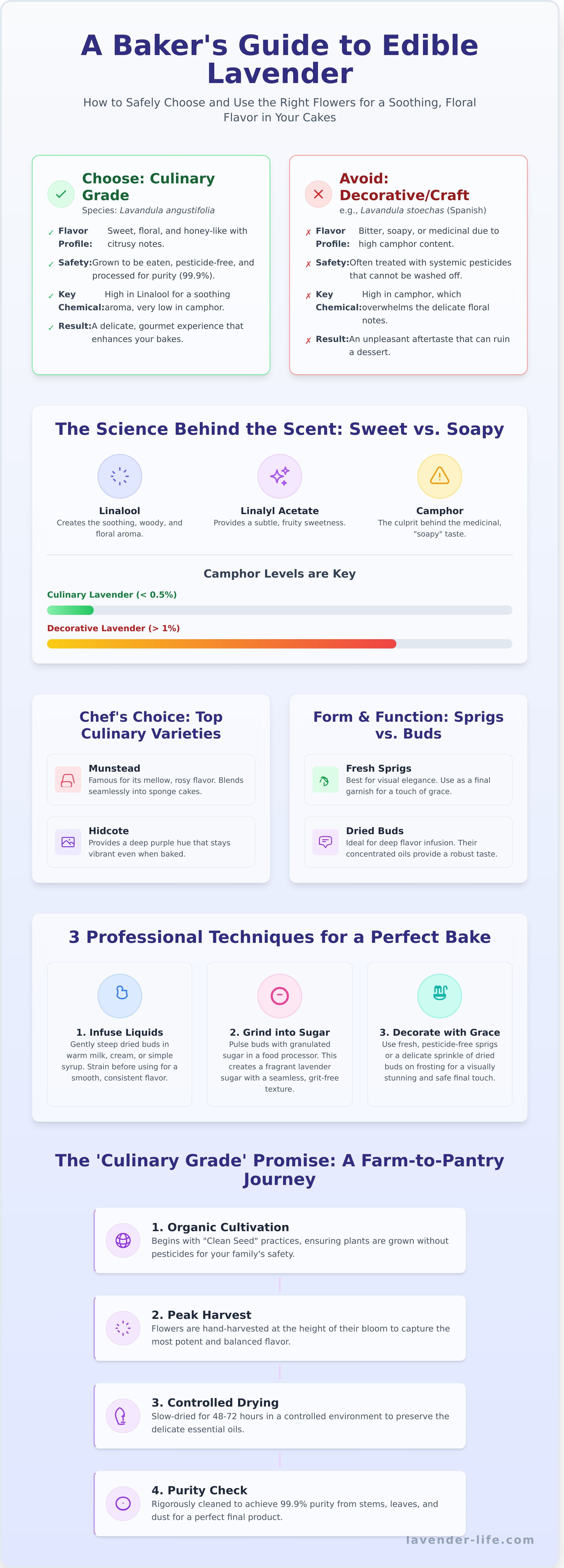
Bringing the soothing essence of our Michigan farm into your kitchen starts with understanding exactly what you're placing on your confections. When you choose edible lavender flowers for cakes, you aren't just picking a pretty purple bud from the garden. You're selecting a specific botanical variety known as Lavandula angustifolia. This species is the heart of our culinary world because it lacks the bitter, soapy aftertaste found in common garden hedges. True culinary lavender undergoes a rigorous cleaning process to ensure 99.9% purity from stems, leaves, and dust. This level of care transforms a simple herb into a safe, delightful ingredient that adds a whisper of calm to every bite.
The "Culinary Grade" designation isn't just a label; it's a promise of safety and flavor. It means the lavender was grown with the intention of being eaten, focusing on varieties with low camphor content. High camphor levels, common in ornamental types, can make your frosting taste like medicine. To reach this grade, flowers are typically harvested at the peak of their bloom and dried in temperature-controlled environments for 48 to 72 hours. This slow drying preserves the essential oils that provide that signature floral sweetness. The culinary history of lavender shows us how these blooms have long been cherished for more than just their scent, dating back to the 1500s when they were used to flavor conserves and desserts.
The Distinction Between Culinary and Decorative Grade
It's vital to know that the lavender you see in a florist shop isn't the same as the lavender in your pantry. Florist-bought flowers are often treated with systemic pesticides to keep them looking fresh for weeks. These chemicals soak into the plant's vascular system and can't be washed off. Safe sourcing relies on "Clean Seed" practices and organic cultivation to ensure no harmful residues remain. Culinary lavender is a pesticide-free, low-camphor variety specifically harvested for human consumption. When we grow these plants with love and intention, we prioritize your wellness over mere aesthetics. Using 100% organic flowers ensures that your kitchen remains a place of hope and health for your family.
Common Edible Varieties: Why English Lavender Wins
Pastry chefs almost exclusively reach for English Lavender, or Lavandula angustifolia, over its French or Spanish cousins. French lavender (Lavandula stoechas) contains significantly higher levels of camphor, which can be overwhelming and sharp on the palate. English varieties offer a gentle, citrusy profile that complements sugar and cream beautifully. Within the English family, Munstead and Hidcote stand out as top-tier choices. Munstead is famous for its mellow, rosy flavor that blends seamlessly into sponge cakes. Hidcote provides a deep, royal purple hue that stays vibrant even after being baked at 350 degrees Fahrenheit. Choosing these specific cultivars ensures your edible lavender flowers for cakes provide both a stunning visual and a comforting, gourmet experience.
The Science of Scent and Flavor: Why Research Matters
Understanding the chemistry of your ingredients brings a sense of calm to the kitchen. When you choose edible lavender flowers for cakes, you're working with a complex profile of natural compounds. The two most important elements are linalool and linalyl acetate. Linalool creates that soothing, woody aroma that feels like a warm hug. Linalyl acetate provides a subtle, fruity sweetness. Together, they form the heart of the flower's personality.
The balance of these chemicals changes depending on the variety you plant. A 2021 study in the Journal of Agricultural and Food Chemistry found that camphor levels are the primary indicator of taste quality. If camphor levels exceed 1%, the lavender often tastes medicinal or "soapy." English lavender, or Lavandula angustifolia, typically stays below 0.5% camphor. High-camphor varieties are used for moth repellents, while low-camphor varieties are reserved for the kitchen.
Academic research helps us understand how these flavors translate from the garden to the plate. In sensory evaluations conducted in 2018, tasters consistently preferred English varieties for their "creamy" and "floral" notes. These varieties don't overwhelm the palate. They offer a gentle whisper of flavor rather than a loud shout. This makes them the perfect companion for delicate sponge cakes or light buttercreams.
Heat plays a vital role in how we experience these volatile oils during the baking process. When your oven reaches temperatures above 350 degrees Fahrenheit, the delicate linalool molecules begin to break down. This can lead to a loss of that signature floral scent. To keep the flavor vibrant, many bakers prefer infusing their fats. Research from the International Journal of Gastronomy suggests that steeping buds in warm butter at 140 degrees Fahrenheit for 20 minutes captures the most aromatic profile.
Our goal is to help you create something beautiful and delicious for your loved ones. If you're looking for a gentle harvest to start your journey, our hand-picked culinary buds are dried slowly to keep those sweet oils intact.
Understanding Terpenes in Culinary Florals
Terpenes are the building blocks of scent, and they interact deeply with the fats and sugars in your recipe. A 2019 research paper showed that lavender terpenes bind effectively to lipid molecules. This means the butter in your cake acts as a carrier, holding the flavor so it lingers longer. For the best results, use a 0.2% ratio of dried buds to total batter weight. This specific measurement ensures a floral finish without a bitter aftertaste.
Safety and Toxicity: What the Research Says
Safety is the foundation of a nurturing kitchen. The FDA gives lavender a "GRAS" (Generally Recognized As Safe) status, but it's important to use the right form. Botanical studies from 2020 emphasize the difference between concentrated essential oils and whole dried buds. Essential oils are often 100 times more potent and shouldn't be swapped for buds in a recipe. They can be too intense for the digestive system when used improperly.
Research into botanical sensitivities suggests that while rare, individuals with allergies to the Lamiaceae family should be cautious. Always refer to culinary lavender food safety guidelines when selecting your flowers. These resources help ensure your edible lavender flowers for cakes are free from harmful pesticides. Choosing high-quality, research-backed sources ensures that every bite brings only comfort and joy to your table.
Comparing Lavender Formats: Buds, Sprigs, and Sugars
Choosing the right form of lavender is like picking the perfect blanket for a cozy evening; it changes the entire feel of your creation. From our farm to your kitchen, we want you to feel confident in your choices. Selecting the best edible lavender flowers for cakes requires a gentle hand and an understanding of how different formats interact with heat and moisture. Whether you're seeking a bold floral punch or a quiet whisper of fragrance, each format offers a unique way to share comfort through your baking.
Dried Buds vs. Fresh Stems
Dried buds are the heart of internal flavor infusion. Because the drying process concentrates essential oils like linalool, these tiny purple gems pack a potent punch. A 2021 study on botanical stability found that dried lavender maintains its aromatic profile for 12 months when kept at a steady 68 degrees Fahrenheit. Use these when you're whisking botanical goodness into batters or heavy creams. They release their oils slowly as the cake bakes, filling your home with a soothing scent.
Fresh stems, on the other hand, are the stars of the "naked cake" aesthetic. Their vibrant green color and soft purple tips provide a living, breathing beauty to your garnishing. While they look stunning, they don't offer the same flavor depth as dried versions. Many bakers prefer fresh sprigs for external decoration only. If you do include buds inside a fine crumb cake, remember the "crunch factor." Sifting out the buds after steeping them in milk or butter is a thoughtful way to ensure a silky texture for your guests. It keeps the experience soft and gentle, just like a warm hug.
- Dried Buds: Best for steeping in milk, cream, or melting butter for deep flavor.
- Fresh Sprigs: Ideal for crowning a cake or pressing into buttercream for a rustic, farm-fresh look.
- Texture Tip: Always grind dried buds with a bit of sugar if you aren't sifting them out.
Lavender Extracts and Syrups
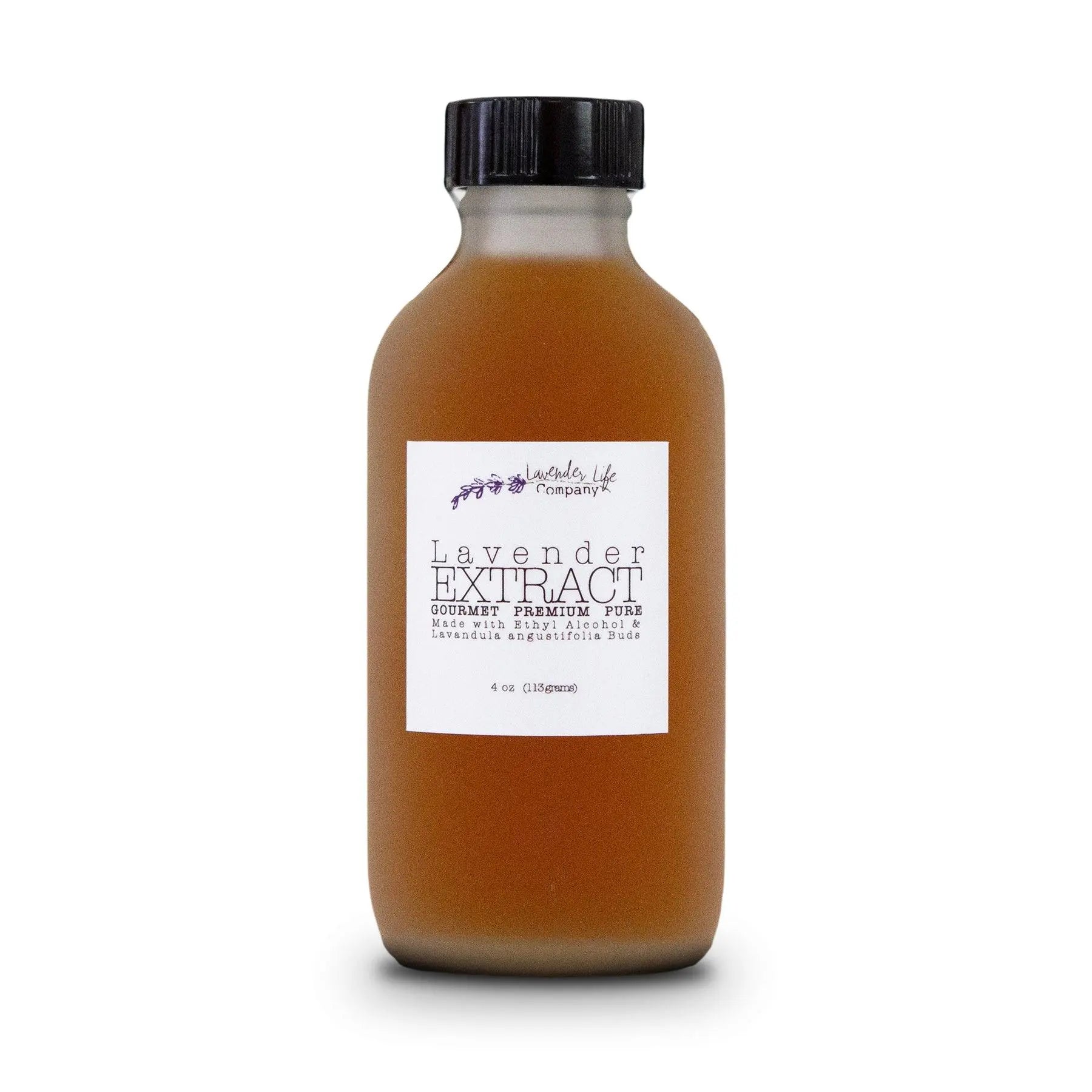
If you're looking for a consistent flavor that reaches every corner of your sponge, extracts are your best friend. Pure botanical extracts are superior to artificial versions because they carry the complex, earthy notes of the actual plant. Artificial flavorings often lean too heavily on "soapy" synthetic notes that lack the sincere warmth of the real flower. For a touch of sweetness, you can also use a lavender simple syrup to soak your cake layers, keeping them moist and fragrant for days.
Lavender-infused sugar is another wonderful way to build a subtle base. You can make this at home by mixing one tablespoon of dried buds with two cups of granulated sugar. Let it sit in a sealed glass jar for 14 days. This allows the oils to permeate the sugar crystals. When you use this sugar in your recipes, you're adding a layer of calm that isn't overwhelming. It's a simple, purposeful way to elevate a basic vanilla recipe into something truly special.
To keep your lavender at its best, storage is key. Essential oils are sensitive to light and air. Store your dried edible lavender flowers for cakes in airtight glass jars in a dark pantry. Research from the Journal of Food Science indicates that protecting botanicals from ultraviolet light prevents the oxidation of delicate oils. This keeps your lavender fresh and potent for up to a full year, ready for whenever you need to bake a little hope and comfort into the world.
Baker’s Guide: How to Decorate and Pair Lavender
Creating a cake that feels like a warm embrace starts with understanding how to handle your ingredients with care. When you use edible lavender flowers for cakes, the goal is to capture the calming essence of the farm without overwhelming the palate. It's a delicate dance of scent and flavor that requires a nurturing touch. You'll find that a few simple steps can transform a standard recipe into a soothing experience for your loved ones.
Your first step involves extracting flavor through infusion. Instead of tossing raw buds into your batter, gently steep 1 tablespoon of culinary lavender in 1 cup of milk or melted butter. Heat the liquid to 160°F and let it rest for 20 minutes. This specific temperature ensures you extract the sweet linalool compounds while leaving behind the bitter tannins. It's a quiet, patient process that rewards you with a smooth, floral base for your sponges and buttercreams.
If your recipe calls for dry incorporation, don't let the texture become gritty. Use a spice grinder to pulse your lavender buds with a portion of the recipe's sugar. A ratio of 1 part lavender to 10 parts sugar works beautifully. This creates a fine, aromatic dust that dissolves seamlessly into the crumb. It ensures every bite is consistent and soft, mirroring the gentle nature of a handmade gift.
When it's time to decorate, safety is just as important as beauty. Never push raw stems directly into a cake. Use food-safe floral spikes or wrap the ends of your lavender sprigs in paraffin tape to create a barrier. This professional standard ensures that 0% of non-edible plant material or moisture disrupts the integrity of your buttercream. It's a thoughtful way to protect the quality of the treat you've worked so hard to create.
Balance is the final secret to a successful bake. We recommend a "floral-to-fat" ratio of 1:16. For every 16 parts of butter or cream, use 1 part lavender. In a standard batch of frosting using 500 grams of butter, about 30 grams of infused lavender milk provides a whisper of hope and calm. This prevents the "soapy" aftertaste that occurs when the botanical notes aren't properly grounded by fats.
Classic Flavor Pairings for Lavender Cakes
The synergy between lemon and lavender is a culinary classic for a reason. The bright acidity of a lemon, which typically sits at a pH of 2.2, cuts through the heavy floral notes to create a refreshing finish. Research published in the Journal of Food Science indicates that honey and lavender share over 12 shared aromatic volatiles. This shared nectar profile makes honey the perfect natural sweetener for your bakes. For a more adventurous kitchen, try white chocolate; its 30% cocoa butter content acts as a creamy canvas that softens the herb's intensity.
Decorating Techniques for Modern Cakes
To achieve the popular "pressed flower" look, lightly brush your fondant with a clear corn syrup and press dried buds into the surface in a cascading pattern. You can also create a signature lavender dust by sifting ground buds through a 60-mesh screen. This results in a fine purple powder that adds a subtle glow to the top of a glazed loaf. It’s a simple way to bring the beauty of the Michigan fields into your home.
Start your baking journey today by choosing the highest quality edible lavender flowers for cakes from our farm to your kitchen.
Pure Michigan Lavender: The Lavender Life Promise
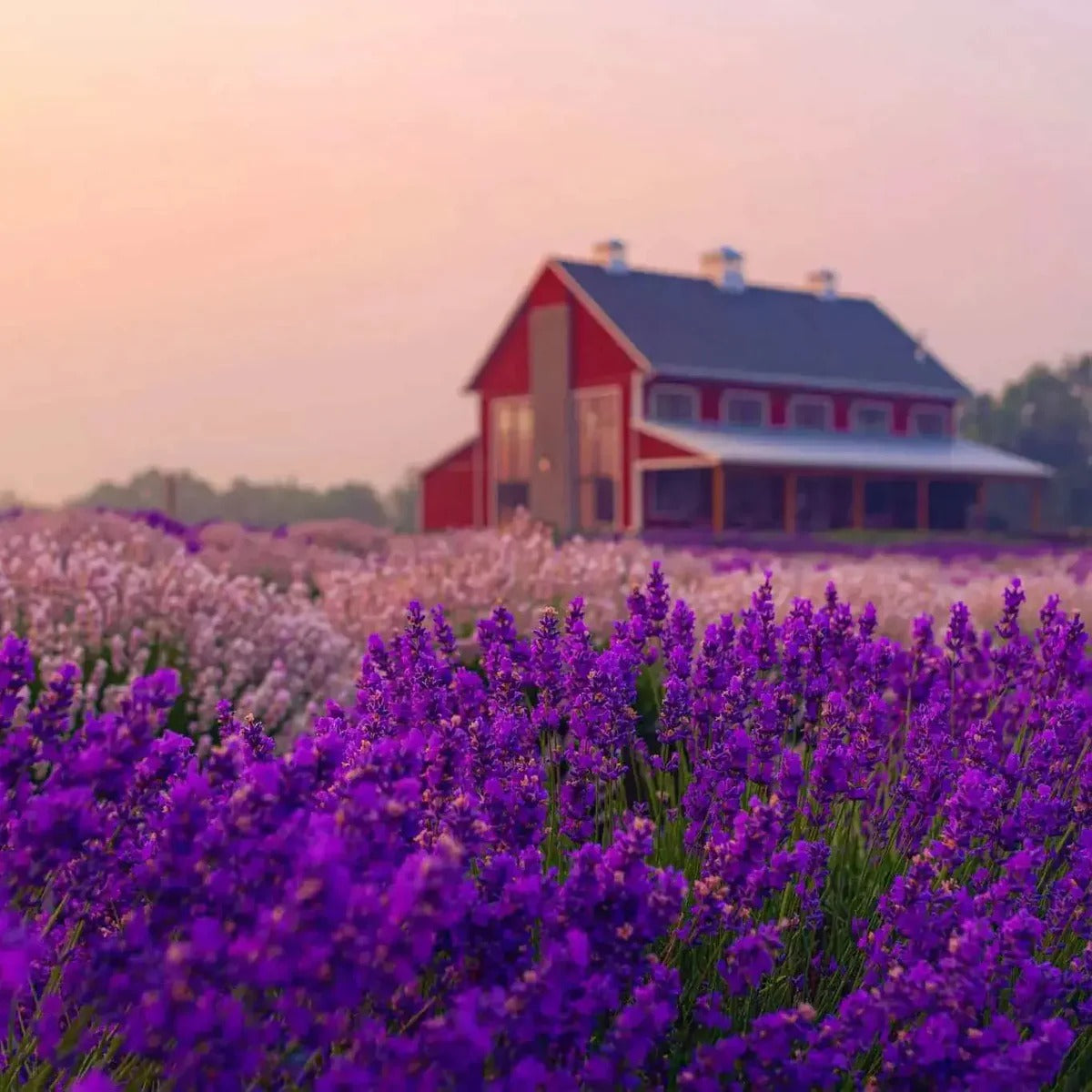
Our story begins in the sun-drenched fields of our Caledonia, Michigan farm, which we've called home since 2016. We cultivate our lavender with a deep respect for the land, ensuring every stem is hand-harvested by our dedicated team during the peak bloom in July. This careful timing allows us to capture the most potent fragrance and flavor at the source. By choosing a farm-to-table approach, we eliminate the long, complex supply chains that often lead to stale or dusty herbs. You receive lavender that's as fresh as the day it was gathered from the Michigan soil.
Purity is our baseline, not an afterthought. We don't use synthetic pesticides or harsh chemicals
Bake a Little More Love Into Every Layer
Your next baking project deserves the gentle touch of nature's most soothing herb. Scientific studies, including 2021 research on aromatic compounds, confirm that culinary grade Lavandula angustifolia contains the perfect balance of sweetness for delicate pastries. By selecting the right buds and pairing them with citrus or honey, you'll create professional results right at home. It's about more than just a recipe; it's about the purity of your ingredients. Our edible lavender flowers for cakes are 100% pesticide-free and hand-harvested on our Michigan farm to ensure every petal meets the highest quality standards.
When you bring these blooms into your home, you're also supporting a much deeper purpose. Every purchase helps provide comfort to a child in foster care through our mission-driven Xander Community. You'll feel the sincerity and warmth in every bite you share with your family. Bring the farm to your kitchen with our Premium Culinary Lavender and start your journey toward a more tranquil and delicious kitchen today. We're so excited to see the beautiful, floral creations you'll share with the people you love.
Frequently Asked Questions
Is all lavender edible or just certain types?
Only specific varieties are safe for your kitchen creations. You should look for Lavandula angustifolia, commonly known as English lavender, because it has much less camphor than other types. Decorative varieties like French or Spanish lavender often taste bitter or medicinal. Stick to culinary-grade buds to ensure your treats are as delicious as they are beautiful.
How do I make sure my lavender cake doesn’t taste like soap?
To prevent a soapy flavor, use a light touch and stick to culinary-grade buds. When you use edible lavender flowers for cakes, the goal is a hint of floral sweetness rather than a perfume-heavy bite. A safe ratio is 1 teaspoon of dried lavender for every 2 cups of flour. This measured approach ensures your dessert remains a comforting treat for the senses.
Can I use lavender from my garden for baking?
You can certainly use garden-grown lavender if it's the right variety and free from chemicals. It's vital that the plants haven't been treated with synthetic pesticides or fertilizers for at least 12 months before harvest. Always rinse fresh blossoms gently to remove any tiny garden visitors. If you're unsure about the plant's history, it's safer to buy certified culinary buds for your peace of mind.
What is the difference between culinary lavender and regular lavender?
Culinary lavender is carefully harvested and processed to ensure a sweet, floral profile. Unlike regular lavender used for sachets, culinary types are sifted multiple times to remove 99% of the bitter stems and leaves. These food-grade buds contain between 0.5% and 5% essential oil, providing a delicate flavor. Regular lavender is often bred for high camphor content, which is perfect for fragrance but tastes very harsh in food.
How much lavender should I add to a standard cake recipe?
A gentle guideline is to use 1 teaspoon of dried edible lavender flowers for cakes or 1 tablespoon of fresh blossoms for a standard 9-inch round layer. If you're infusing milk or butter, let the lavender steep for 10 to 15 minutes to extract the essence. This method provides a consistent, soothing flavor profile that won't overwhelm your guests. Remember, you can always add more, but you can't take it away.
Do I need to wash dried lavender before using it on a cake?
Washing dried lavender isn't necessary and can actually strip away the soothing oils. Since culinary lavender is dried at specific temperatures to preserve its 100% natural essence, adding water just makes the buds soggy. If you bought your lavender from a trusted source, it's already been cleaned and sifted for you. Simply fold the dry buds directly into your batter or use them to garnish your frosting.
Can I eat the lavender stems used for decoration?
While the stems aren't harmful, they're quite fibrous and usually aren't eaten. Most bakers use 3 to 5 inch stems for visual appeal, but guests typically set them aside before enjoying the cake. The tiny buds are the part that holds all the sweet, floral flavor we love. If you want the flavor without the texture, try grinding the buds into a fine powder with a bit of sugar.
How long does dried culinary lavender stay fresh for baking?
Dried lavender typically stays vibrant and flavorful for 6 to 12 months. It's best to store your buds in a glass jar in a cool, dark pantry to protect the delicate oils. After 365 days, you'll notice the aroma starts to fade, and the color might turn a bit grey. To test if it's still good, crush a few buds between your fingers; if the scent is strong, it's ready for your oven.