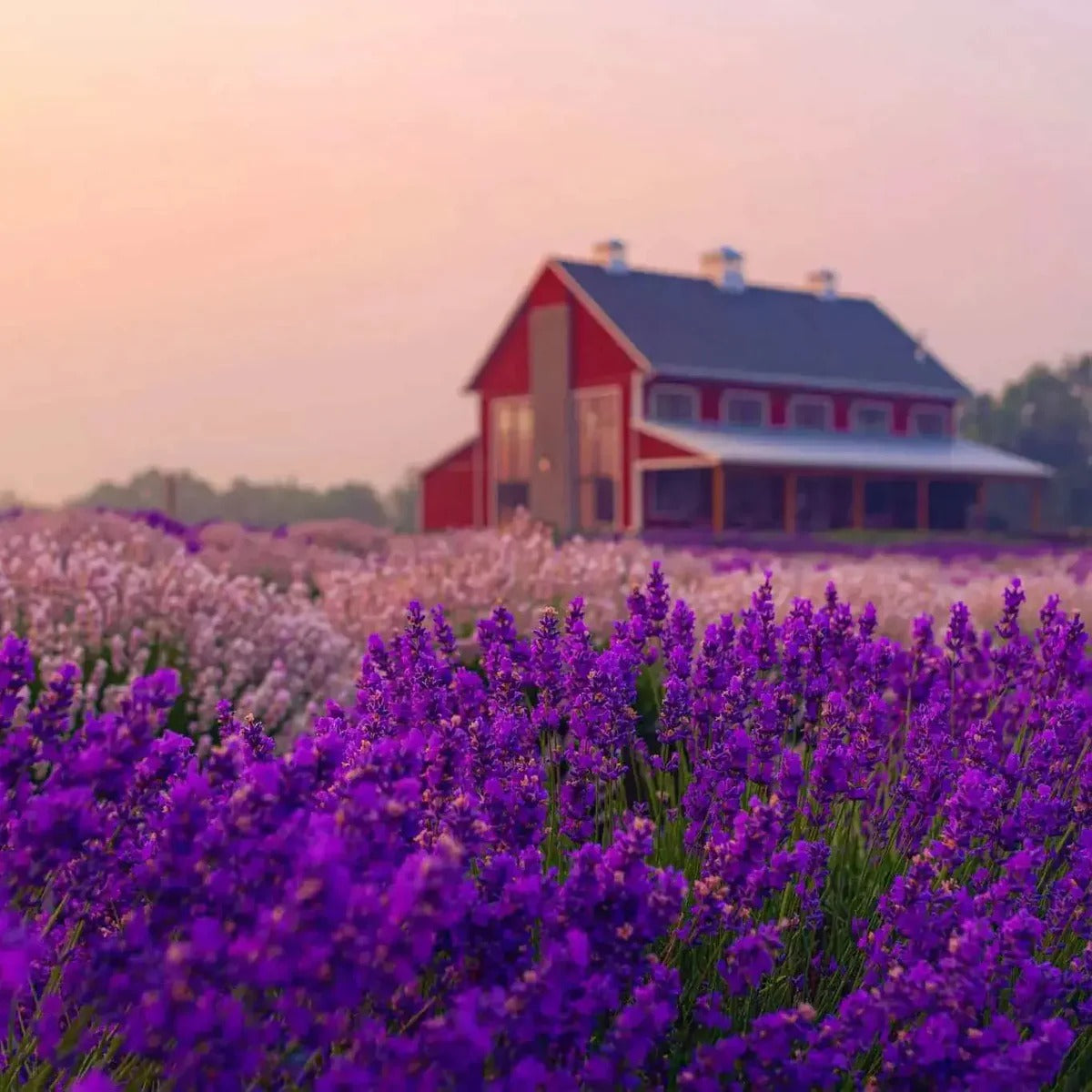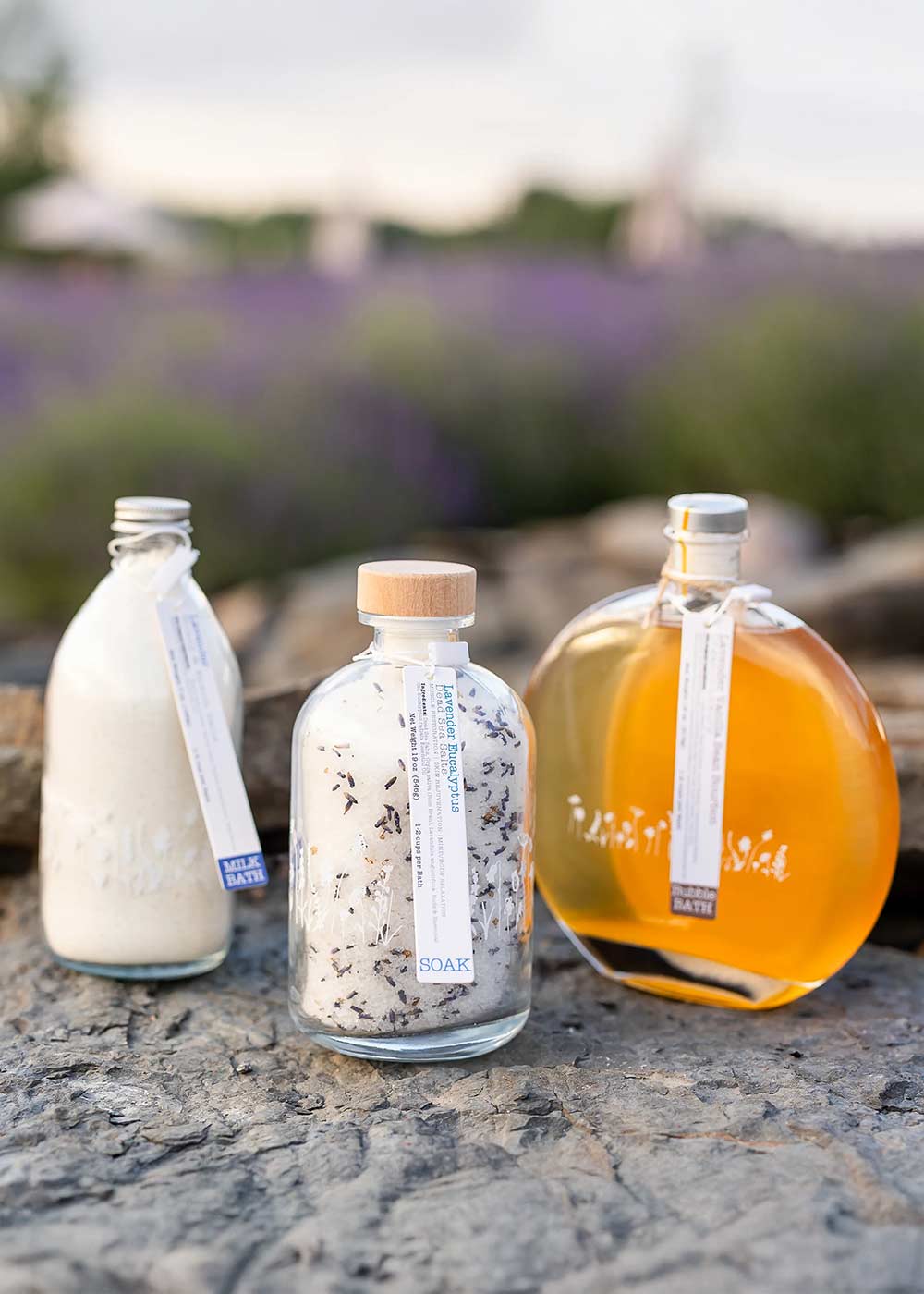

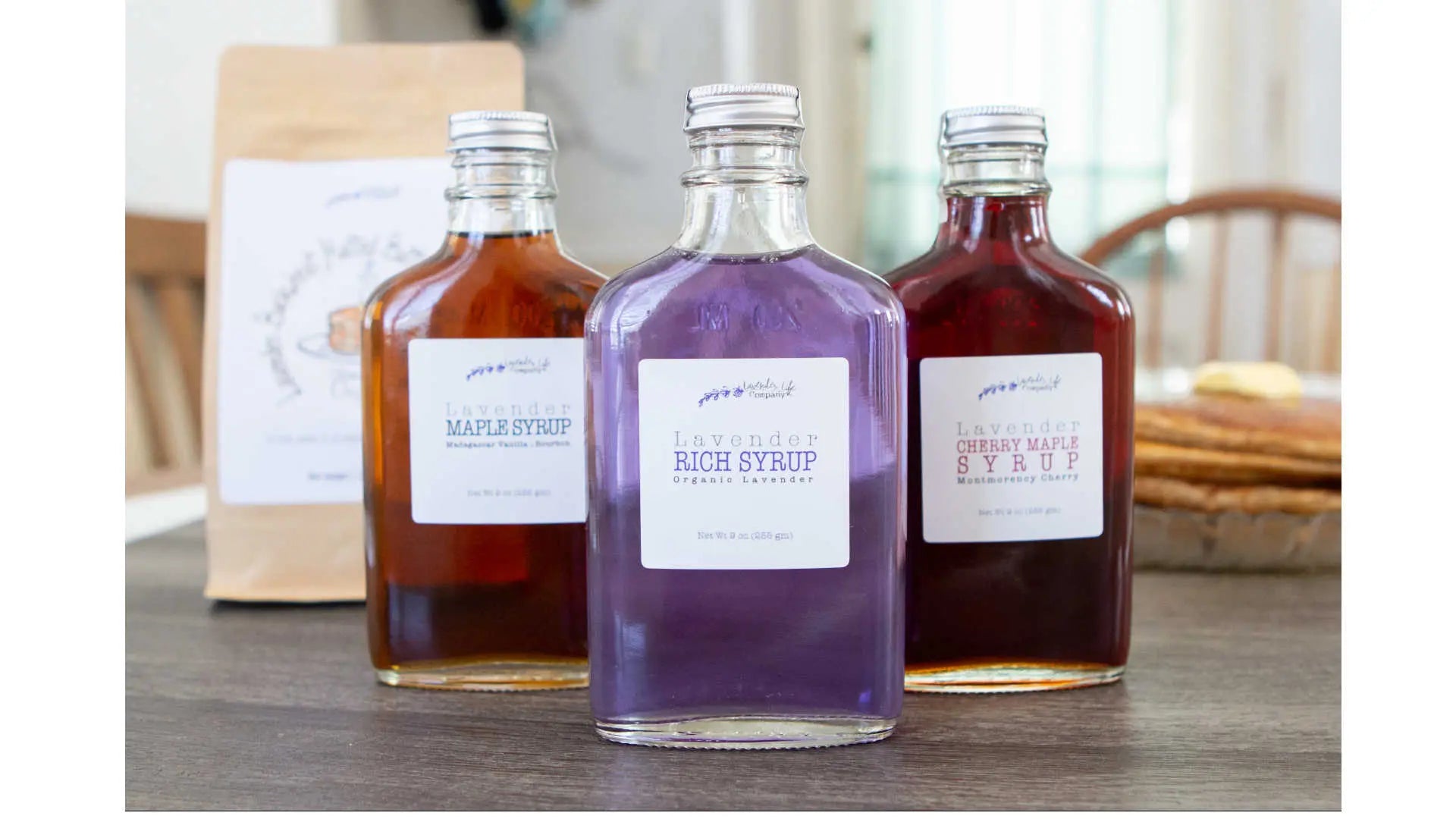
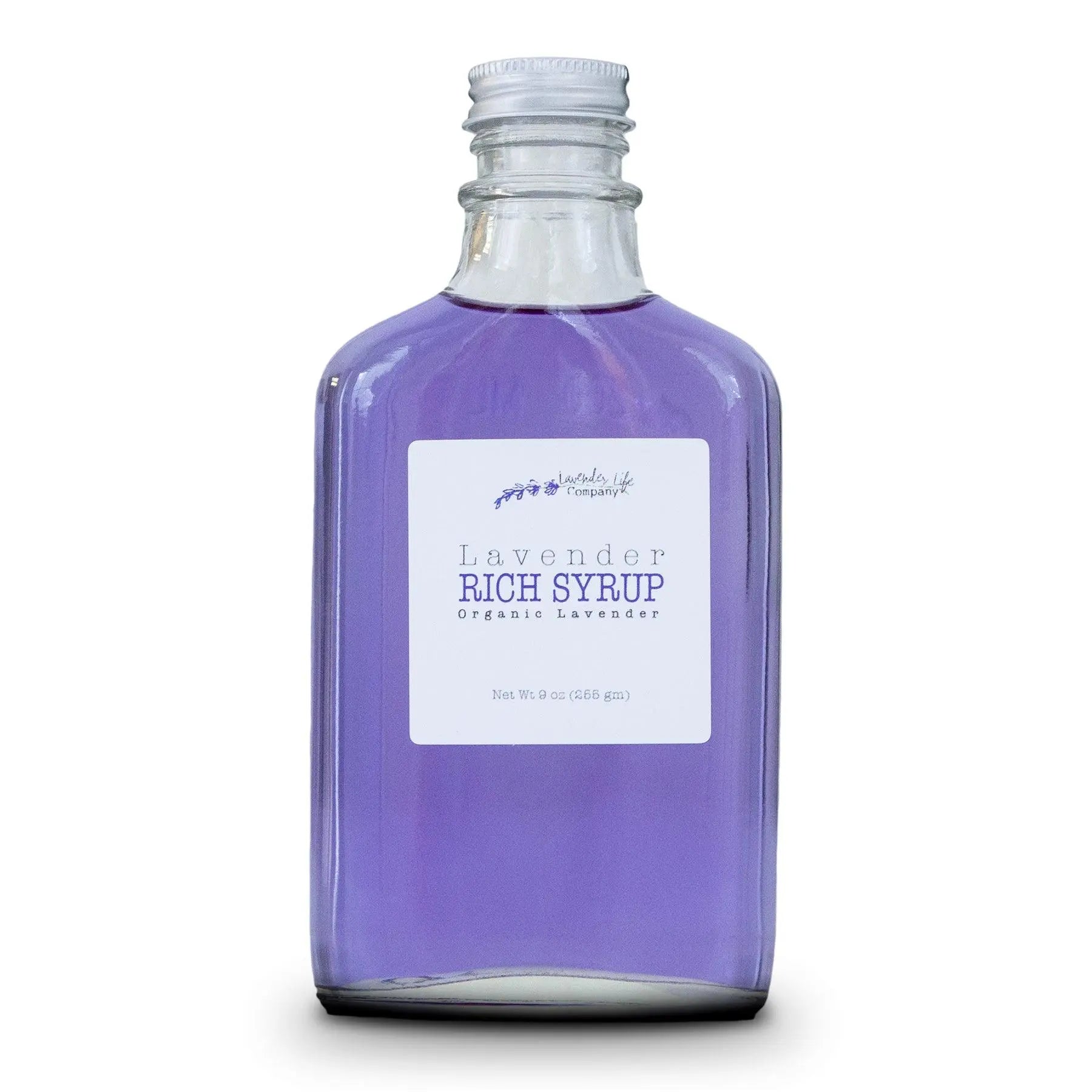








What if the secret to your most comforting meal isn't a spice at all, but a flower that's been used for its soothing properties since its documented use in Roman kitchens over 2,000 years ago? You likely already know that lavender can turn a bath into a sanctuary. It’s natural to feel a bit hesitant about bringing that same scent into your kitchen, especially if you're worried about your dinner tasting like a bar of soap. Learning how to cook with dried lavender doesn't have to be a guessing game. We'll help you distinguish culinary buds from decorative ones and share the exact ratios needed to create aromatic, soul-warming dishes.
You'll walk away with the confidence to pair this floral herb with everything from local honey to savory roasted meats. This guide explores the botanical safety and flavor profiles that transform a simple recipe into a moment of pure, gentle joy. From our Michigan farm to your home table, we're here to make your culinary journey feel safe, simple, and filled with love. Discover how to use these hand-crafted blossoms to bring a sense of calm and wellness to every bite you share with your family.
Key Takeaways
- Learn to distinguish true culinary lavender from decorative varieties to ensure your recipes are filled with sweet, gentle notes rather than a soapy finish.
- Discover how to cook with dried lavender by following the "Golden Rule" of ratios, ensuring a perfectly balanced and aromatic result every time.
- Explore the science of flavor to see how lavender’s soothing compounds beautifully complement familiar kitchen staples like rosemary and sage.
- Master the art of pairing floral buds with lemon or savory seasonings to bring a touch of farm-fresh comfort to your home-cooked meals.
- Gain simple, practical tips for storing your lavender to keep its calming scent and wholesome flavor at its peak for months to come.
What is Culinary Lavender? Understanding the "True" Variety
Welcome to the gentle peace of the herb garden. Learning how to cook with dried lavender starts with choosing the right plant to bring into your kitchen. While you might see lavender growing in many landscapes, not every purple sprig is meant for the dinner table. Culinary lavender is the low-oil, high-sugar flower of the English lavender plant. This specific variety offers a soft, floral sweetness that transforms a simple recipe into something truly comforting and special.

Botanists identify over 45 different species of this herb, but for those of us at the stove, only one truly matters. The gold standard for any recipe is Lavandula angustifolia. This species is frequently called "true" lavender or English lavender. It's the variety we grow with love on our farm because it lacks the harsh, medicinal punch found in other types. You'll find that its chemical profile is perfectly balanced for the palate, offering a hint of citrus and mint without being overwhelming.
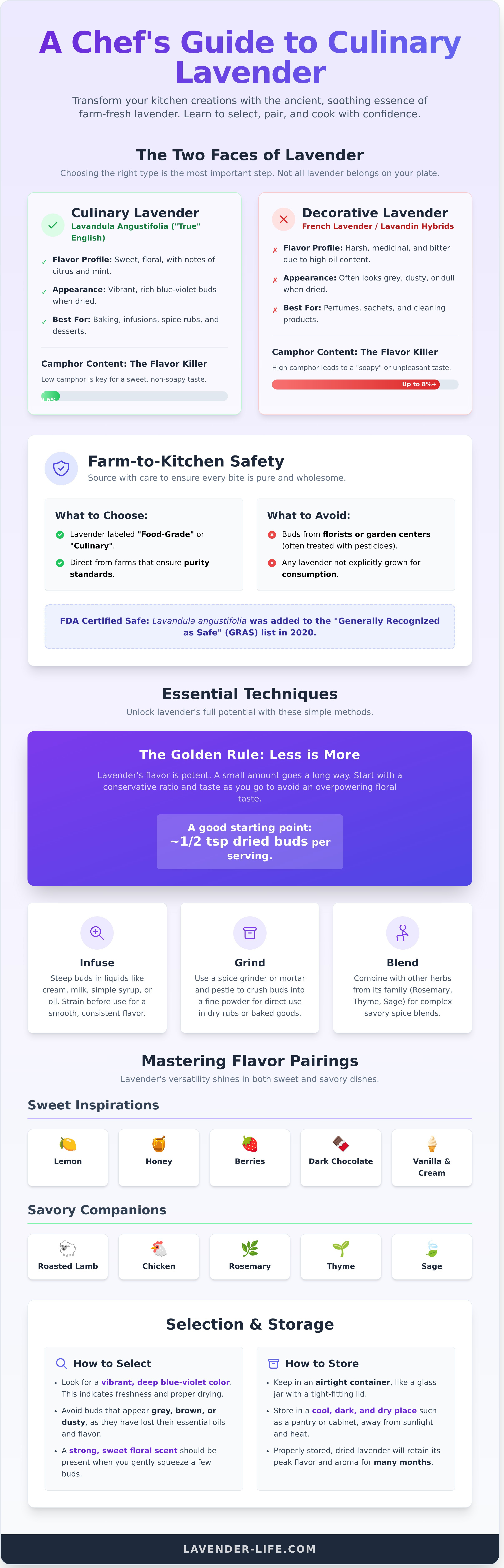
Unlike the varieties used for heavy perfumes or industrial cleaners, culinary buds are harvested with care at the peak of their sweetness. Decorative varieties often contain high levels of camphor, sometimes reaching 8% or higher. This camphor creates a bitter taste that can easily ruin a batch of cookies. By choosing the right variety, you ensure that your home-cooked meals carry the soothing essence of the fields rather than the sharp scent of a cleaning product.
The Difference Between English and French Lavender
English lavender is the preferred choice for bakers and chefs for a very specific reason. Its camphor content is remarkably low, usually staying below 0.6% in high-quality harvests. This low oil content allows the natural sugars of the plant to shine through. If you've ever tasted a lavender cake that felt "soapy," you were likely eating French lavender or a hybrid known as Lavandin. These varieties are beautiful to look at, but they're bred for high oil production, not flavor.
Choosing the right buds is easy once you know what to look for. High-quality culinary lavender should have a vibrant, blue-violet color that looks alive and fresh. If the buds look grey, dusty, or dull, they've likely lost their flavor or belong to a decorative variety. Specific cultivars like "Munstead" or "Hidcote" are excellent choices for the kitchen because they maintain their color and sweetness even after the drying process is complete.

Is All Lavender Edible? A Safety Check
Safety is the most important part of learning how to cook with dried lavender. You can rest easy knowing that research published in botanical journals confirms L. angustifolia is non-toxic and safe for humans to eat. In fact, the FDA added this specific species to its "Generally Recognized as Safe" (GRAS) list in 2020. However, this safety only applies to plants grown specifically for consumption. You must avoid using lavender from florists or big-box garden centers.
Florists often treat their flowers with synthetic pesticides and systemic chemicals to keep them looking pretty in a vase. These substances are not safe to ingest and can't be washed off easily. To keep your family safe, always look for a "food-grade" label or buy directly from a farm that follows a "Farm-to-Kitchen" standard. This ensures the buds are handled with the same purity and care as any other spice in your pantry; providing you with nothing but pure, wholesome flavor for your next culinary adventure.
The Science of Flavor: Why Lavender Belongs in Your Kitchen
Lavender isn't just a pretty flower from the garden. It's a hardworking herb that shares a family tree with kitchen staples like rosemary, sage, and thyme. These plants all belong to the Lamiaceae family. This botanical connection is the reason why learning how to cook with dried lavender feels so natural once you start. Lavender contains specific aromatic compounds called linalool and linalyl acetate. These same molecules give Mediterranean herbs their savory, woody backbone. We love how this makes the transition from garden to plate feel like a gentle hug for your senses.
When you apply heat to these dried buds, the science of flavor really begins. At temperatures starting around 100 degrees Fahrenheit, the essential oils within the flower soften and release. This process shifts the profile from a sharp, floral scent to a mellow, herbaceous taste. Research published in 2015 indicates that our taste receptors process these aromatics in a way that can actually change how we perceive other ingredients. For instance, lavender can mask the sharp bite of certain alkaline foods, bringing a sense of balance and relief to a complex dish.
The Linalool Connection: From Scent to Taste
Linalool is the secret behind those light, citrus-like notes you taste in a well-seasoned dish. It's a delicate balance. If you use too much, your brain might interpret the flavor as "soapy." This happens because high concentrations of linalool are often found in cleaning products, and our brains are wired to be cautious. According to the CSU Extension Edible Flowers Guide, using flowers safely means choosing culinary varieties that haven't been treated with chemicals. When you keep your lavender concentration around 0.5% of the total recipe weight, these blooms effectively reduce the perception of bitterness in dark chocolate or heavy greens.
Lavender as a Flavor Enhancer
In savory cooking, lavender acts like a twin to rosemary. It brings a grounded, earthy quality to roasted meats and root vegetables. It also works wonders with fats. The floral molecules, which make up about 30% to 45% of the plant's oil content, cling to the molecules in cream and butter. This makes heavy dairy feel lighter and more vibrant on the tongue. The chemistry is especially beautiful when you pair lavender with acids like lemon juice. The acid helps unlock the floral notes, preventing them from feeling heavy or cloying. Perfecting how to cook with dried lavender starts with understanding this simple harmony between earthiness and brightness.

We believe that every ingredient should bring a little bit of hope and comfort to your table. If you're ready to experiment with these scientific principles, you might enjoy starting with a small batch of hand-crafted culinary buds from our Michigan farm. Whether you're whisking it into a morning glaze or rubbing it onto a savory roast, lavender offers a unique way to nurture your family through the art of flavor.
Essential Techniques for Cooking with Dried Lavender
The first secret to mastering how to cook with dried lavender is a simple, gentle reminder: less is always more. Think of it as the "Golden Rule" of floral flavors. You should start with exactly one-third of the amount your heart tells you to use. Lavender is a generous herb, but its potency can quickly turn a comforting dish into something that tastes like a bar of soap if you're too heavy-handed. By starting small, you allow the subtle, earthy notes to whisper through your recipes rather than shout.
Dried buds are roughly three times as potent as their fresh counterparts because the essential oils are concentrated during the drying process. If a recipe calls for 3 teaspoons of fresh flowers, you'll only need 1 teaspoon of dried lavender to achieve that same soothing aroma. To ensure your kitchen remains a place of comfort, it's vital to prioritize culinary lavender safety by choosing English lavender (Lavandula angustifolia). Michigan State University research confirms this species is the gold standard for cooking because it contains lower levels of camphor compared to French varieties, which can taste medicinal.

Heat is the final element you must respect to keep your flavors sweet and floral. Never "burn" your lavender buds by exposing them to high, dry heat for long periods. If you're sautéing or roasting, the delicate oils can oxidize and become bitter. Instead, aim for gentle temperatures. If you're simmering a sauce or milk, keep the temperature between 180°F and 190°F. This range is just below boiling, which is enough to release the fragrance without scorching the plant material.
Infusing Liquids: Syrups, Milks, and Fats
Creating a lavender simple syrup is a beautiful way to bring a touch of the farm into your morning coffee or evening tea. Combine 1 cup of water, 1 cup of organic sugar, and 1 tablespoon of dried lavender in a small saucepan. Bring the mixture to a very gentle simmer for 15 minutes, then remove it from the heat. Let it steep as it cools to room temperature before straining. This method ensures the flavor is deep and well-rounded.
Steep your lavender in heavy cream or coconut milk for at least 20 minutes to create a base for floral ganaches or mousses. The fats in the cream act as a carrier for the lavender's scent, trapping the aroma so it lingers on the palate. For a long-term pantry staple, stir 1 teaspoon of dried buds into 8 ounces of local honey. After 14 days of sitting in a sunny window, the honey will be transformed into a soothing elixir that captures the essence of a summer afternoon.

Grinding and Incorporating into Dry Mixes
If you don't want "crunchy" surprises in your soft shortbread or sponge cakes, grinding is your best friend. Use a clean spice grinder or a sturdy mortar and pestle to turn the dried buds into a fine powder. This technique is the most effective way to learn how to cook with dried lavender while maintaining a smooth texture in your baked goods. A fine powder distributes the flavor more evenly, ensuring every bite is consistently delicious.
Mixing lavender sugar is another wonderful way to preserve the harvest. Pulse 1 tablespoon of dried lavender with 2 cups of granulated sugar in a food processor for 30 seconds. You can also use the "rubbing" technique, where you use your fingertips to massage the lavender buds and fresh citrus zest into the sugar. The friction releases the natural oils from both the lavender and the fruit, creating a vibrant, aromatic base for any dessert. This simple act of preparation feels like a small moment of mindfulness in a busy day.
Mastering Flavor Pairings: Sweet and Savory Inspirations
Creating a beautiful meal is a lot like tending a garden; it requires patience, a gentle touch, and an understanding of how different elements grow together. When you are learning how to cook with dried lavender, the secret lies in balance. This herb is potent, so you should treat it like a precious spice rather than a leafy green. A single teaspoon of dried buds can scent an entire cake or a large roast, providing a sense of calm and wellness to your kitchen table.
The chemical synergy between lavender and lemon is a gift from nature. Both plants contain high levels of linalool, a terpene alcohol that creates a refreshing, floral aroma. According to research published in the Journal of Food Science, these shared volatile compounds allow lemon's bright acidity to soften the herb's camphor-like notes. This pairing transforms a simple glass of lemonade or a tray of cookies into something truly soothing. It's a natural way to elevate your cooking without using artificial flavors.
Savory applications offer a surprising depth that many beginners overlook. Lavender has been a staple in French cuisine since the 1970s, when it was popularized as a key component of Herbs de Provence. It pairs beautifully with fatty meats because the floral oils help cut through the richness. When you understand how to cook with dried lavender in savory dishes, you'll see it acts much like rosemary or thyme. It brings a grounded, earthy quality to the plate that feels both sophisticated and deeply comforting.
Fruits also find a wonderful partner in this purple bloom. Berries and stone fruits like peaches or plums are classic choices, but the connection to apples is a delightful surprise. A 2018 study on fruit volatiles suggests that the malic acid in apples provides a crisp structure that highlights lavender's sweetness. Finally, don't forget the deep comfort of chocolate and honey. Using a 70% dark chocolate ensures the bitterness of the cocoa balances the floral intensity, while honey acts as a bridge, mellowing the herb's strength with its natural, amber warmth.
Sweet Comforts: Baking with Floral Notes
Lavender shortbread is the gentlest way to start your journey. Use 1 teaspoon of ground buds for every 2 cups of flour to ensure a subtle hint of the farm in every bite. For a soothing treat, steep 2 tablespoons of dried lavender in warm cream for 15 minutes before making custards or ice cream. This infusion technique releases the essential oils without adding a gritty texture to your smooth, hand-crafted desserts. Adding a pinch to blueberry jam also enhances the fruit's natural perfume.
The Savory Side: Beyond the Dessert Cart
For a nourishing dinner, try using lavender as a dry rub for roasted lamb or chicken. Mix it with sea salt and cracked black pepper to create a crust that smells like a summer afternoon. You can also whip ground lavender into soft goat cheese for a simple, elegant spread. The tanginess of the cheese, at a pH level of about 4.5, perfectly complements the floral notes. If you're roasting root vegetables, a light dusting over carrots and parsnips at 400 degrees Fahrenheit brings out their hidden, honey-like sweetness.
If you're ready to bring these soothing scents into your own kitchen, we invite you to explore our culinary collection. Discover our hand-crafted lavender products and start your journey toward a more peaceful, flavorful home today.
Selection and Storage: Keeping Your Lavender Fresh
Your journey with floral flavors doesn't end once you've mastered a recipe. It continues in how you care for the delicate buds remaining in your pantry. To truly understand how to cook with dried lavender, you must treat the ingredient with the same tenderness you'd give a fresh bouquet. Oxidation is the silent thief of flavor. When lavender is exposed to air, the volatile oils, specifically linalool and linalyl acetate, begin to evaporate. Research from food science journals indicates that aromatic herbs in the Lamiaceae family can lose up to 15 percent of their essential oil potency within six months if they aren't shielded from the elements. This degradation turns a bright, citrusy herb into something that tastes more like dry grass.

Culinary lavender generally offers a peak flavor window of 6 to 12 months. After this year-long mark, the chemical compounds that provide that signature soothing aroma start to break down. You can test your stash using the pinch method. Take a few buds and rub them firmly between your thumb and forefinger. If the released scent is faint, dusty, or reminiscent of old hay, the lavender has expired. Vibrant culinary lavender should look dusty purple or deep blue, never gray or brown. According to a 2021 study on botanical stability, color retention in dried Lavandula angustifolia is a primary indicator of remaining anthocyanins, which contribute to the herb's complex taste profile.
Proper Storage Environment
Light, heat, and moisture are the three primary enemies of your lavender. Store your dried buds in airtight glass jars rather than plastic bags. Plastic is often gas-permeable, which allows oxygen to seep in and oils to leak out. Place these jars in a cool, dark pantry away from the stove or dishwasher. You should never store culinary lavender near aggressive spices like cumin, chili powder, or garlic. Lavender is highly porous; it will absorb the pungent molecules of its neighbors. This cross-contamination ruins the gentle, nurturing quality of the herb, leaving you with a savory, mismatched flavor that can spoil a delicate honey cake.
The Lavender Life Company Promise: Farm-to-Home Quality
We grow our lavender right here on our Michigan farm, tending to every plant with a heart for service and a commitment to quality. Our farm-to-home approach ensures that the buds reaching your kitchen haven't spent months sitting in a humid shipping container or a bright retail warehouse. They're harvested at the peak of their bloom and dried using gentle methods that lock in the soothing properties you deserve. This freshness is what makes learning how to cook with dried lavender such a rewarding experience for your family.
Every jar we share is an extension of our mission. We believe that a home should be a sanctuary of comfort and hope. By choosing handcrafted, Michigan-grown lavender, you're bringing the tranquility of our fields into your own space. This connection to the land and our purposeful mission to support children in foster care adds a layer of warmth to every meal you prepare. It's about more than just a recipe; it's about nurturing those you love with the purest ingredients possible.
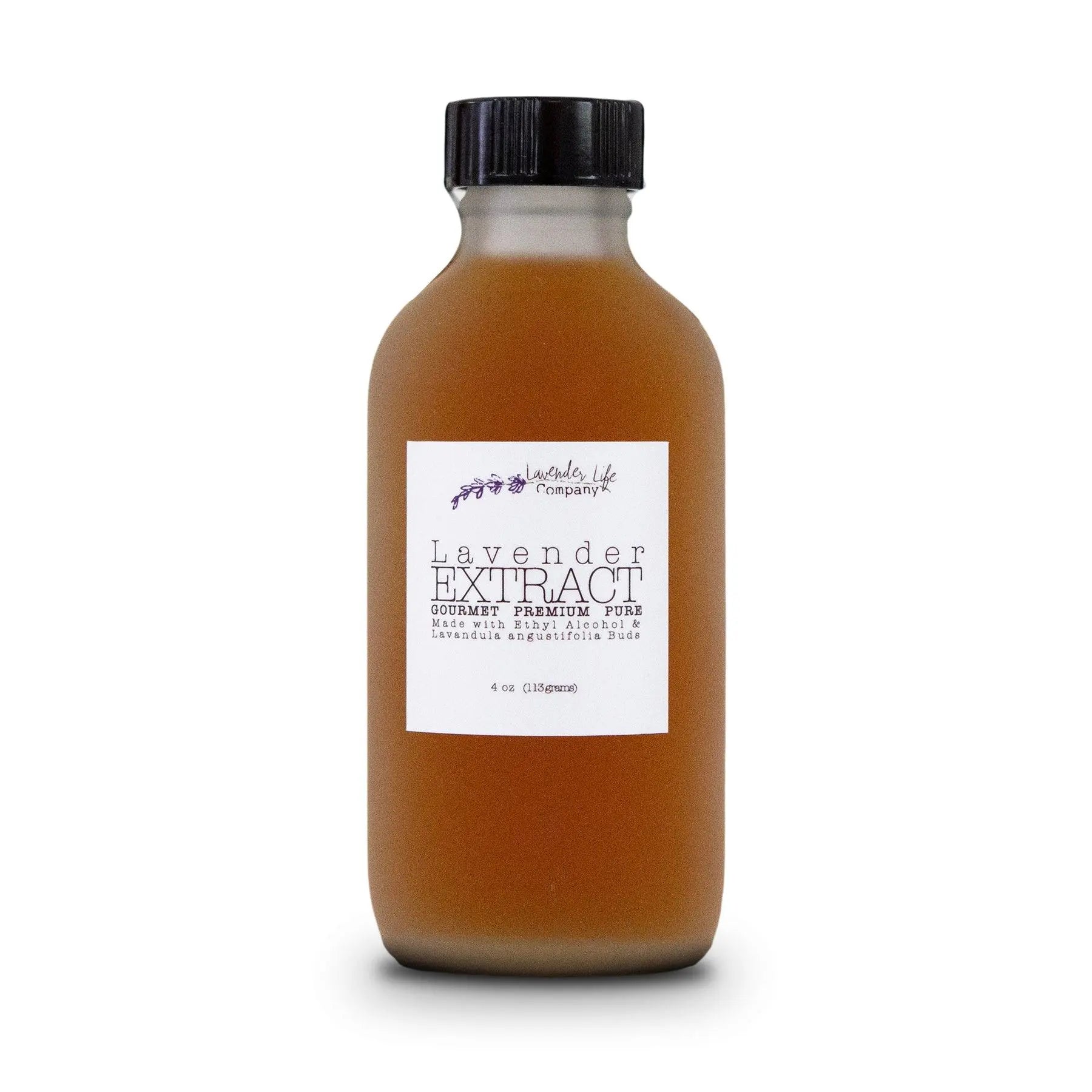
Bring the scent of our farm to your kitchen with our Culinary Lavender from Lavender Life Company
Bring the Calm of the Michigan Farm to Your Table
Your journey into floral flavors starts with a single pinch of patience. By choosing food-grade L. angustifolia, you're using a variety prized for its low camphor levels, which creates that signature sweet and comforting aroma. Whether you're infusing a simple syrup for a morning tea or whisking ground buds into a savory herb rub, the key is starting small. Mastering how to cook with dried lavender transforms ordinary recipes into comforting rituals that soothe the spirit and the palate.
Since 2016, our Michigan farm has hand-harvested every bud to ensure you receive the freshest, most potent floral notes for your kitchen. Every purchase you make directly fuels the Xander Community mission. This program provides essential comfort to children in foster care by donating a cuddly Xander Bunny to a child in crisis for every bunny sold. You aren't just elevating your cooking; you're sharing a piece of tangible hope with a child who needs it most.
Explore our hand-harvested Culinary Lavender buds and syrups to begin your culinary adventure today. We can't wait to see the beautiful, fragrant dishes you create in your own home.
Frequently Asked Questions
How do I make sure my lavender food doesn’t taste like soap?
Use only 1/3 the amount of lavender the recipe calls for if you are sensitive to floral notes. Overusing lavender creates a soapy flavor because of high concentrations of linalool, which is a natural terpene. Start with 0.5 teaspoons for a standard batch of cookies to keep the flavor profile gentle and comforting. It's better to add a tiny pinch at a time to ensure your treats bring calm rather than a perfume aftertaste.
Can I use the lavender growing in my garden for cooking?
You can use garden lavender if it is the Lavandula angustifolia variety, often called English lavender. This species contains lower levels of camphor compared to French varieties, which can have 8% more camphor and taste bitter. Ensure your plants haven't been treated with synthetic pesticides for at least 12 months. Culinary lavender is specially harvested to provide a sweet, soothing essence for your home kitchen and family meals.
What is the best ratio for replacing fresh lavender with dried?
Use 1 teaspoon of dried lavender for every 3 teaspoons of fresh lavender required in your recipe. Dried buds are 3 times more potent because the essential oils are concentrated during the dehydration process. Learning how to cook with dried lavender requires this simple 1:3 ratio to maintain a balanced, cozy flavor. This measurement ensures your recipes remain a source of relief and joy without becoming overwhelming or too intense.
Do I need to wash dried lavender before using it in a recipe?
No, you don't need to wash dried culinary lavender because moisture can cause the buds to lose their fragrant oils and become clumped. High quality culinary lavender is cleaned during the drying process at the farm to remove dust and debris. If you're concerned about purity, look for buds that are 100% organic and triple sifted. This ensures every pinch you add to your baking is pure, safe, and filled with love.
What are the best savory foods to pair with lavender?
Lavender pairs beautifully with roasted lamb, goat cheese, and root vegetables like honey glazed carrots. In savory French cooking, it's a key component of Herbes de Provence, typically making up 2% to 5% of the herb blend. The herb's earthy undertones provide a sense of grounded comfort when rubbed onto meats or stirred into warm stews. It's a wonderful way to bring a touch of the farm to your dinner table.
Is culinary lavender safe for children and pregnancy?
Culinary lavender is generally recognized as safe by the FDA when used in small, food grade amounts. Most recipes use less than 1 tablespoon for an entire family meal, making it a gentle addition to a nurturing diet. Since every body is unique, pregnant women should consult their healthcare provider if they plan to consume concentrated lavender extracts or teas daily. We want every member of your family to feel safe and cared for.
How long does dried culinary lavender stay fresh?
Dried culinary lavender maintains its best flavor and soothing aroma for 12 months when stored in a cool, dark place. After 365 days, the essential oil content begins to diminish by approximately 20% each year. To keep your lavender fresh and full of hope, store it in an airtight glass jar away from direct sunlight. This preserves the hand crafted quality of the buds for all your seasonal baking and wellness needs.
Can I eat lavender leaves or just the flower buds?
You can eat both the leaves and the buds, though the flower buds offer a sweeter, more delicate flavor for your recipes. The leaves have a stronger, woodier taste similar to rosemary; they're best used in savory marinades or slow cooked roasts. While learning how to cook with dried lavender, starting with the buds provides that classic, calming floral note. Both parts of the plant carry the essence of the farm into your home.