






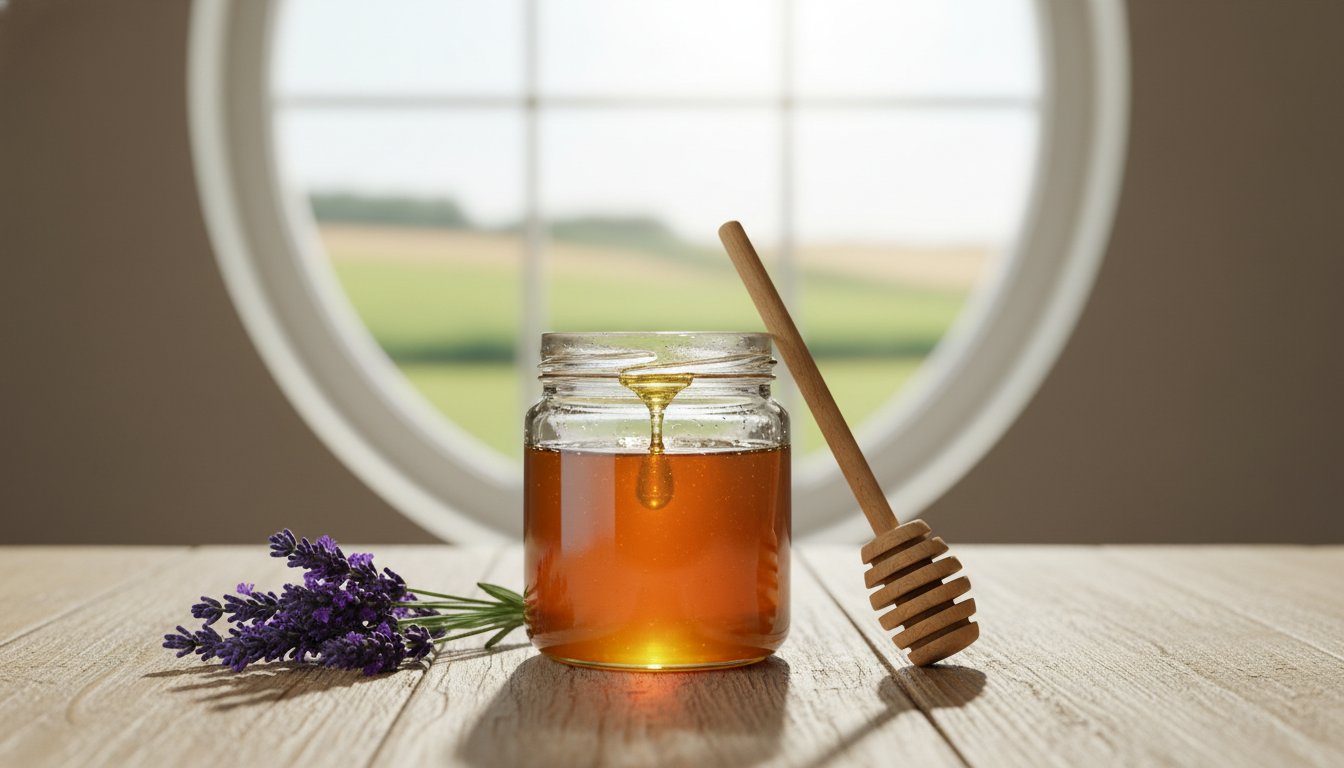
What if the secret to a restful night and a gourmet kitchen isn't found in a pharmacy, but in the simple marriage of a flower and a hive? You likely already know that a warm cup of tea infused with lavender and honey can soothe a tired soul after a long day. It's a ritual we've leaned on for generations to find a small pocket of peace. However, it's frustrating when you aren't sure which flowers are safe to eat or where to find honey that hasn't been over-processed.
In this guide, we'll help you master the art of using these botanical gifts to elevate your wellness and your pantry. You'll learn how to identify culinary Lavandula angustifolia and discover why a 2013 study published in the journal Phytomedicine highlighted this duo's ability to support emotional balance. We'll explore farm-to-table recipes and the specific quality markers you need to look for when sourcing fresh, honest ingredients for your home. By the time you finish reading, you'll have the confidence to infuse your daily rituals with the gentle, healing power of the farm.
Key Takeaways
- Discover the aromatic science behind why the calming linalool in lavender and the natural sweetness of honey create a restorative synergy for your well-being.
- Master simple techniques for infusing lavender and honey into your favorite kitchen creations, from delicate floral scones to comforting everyday treats.
- Explore the evidence-based antibacterial and stress-reducing properties of this duo that help soothe the body and invite deeper, more restful sleep.
- Learn how to choose the highest quality culinary-grade lavender and identify pure, raw honey to ensure your home rituals are wholesome and effective.
- Find out how to integrate these farm-fresh traditions into your daily life to create a sanctuary of comfort and hope for yourself and your loved ones.
The Science of Synergy: Why Lavender and Honey Belong Together
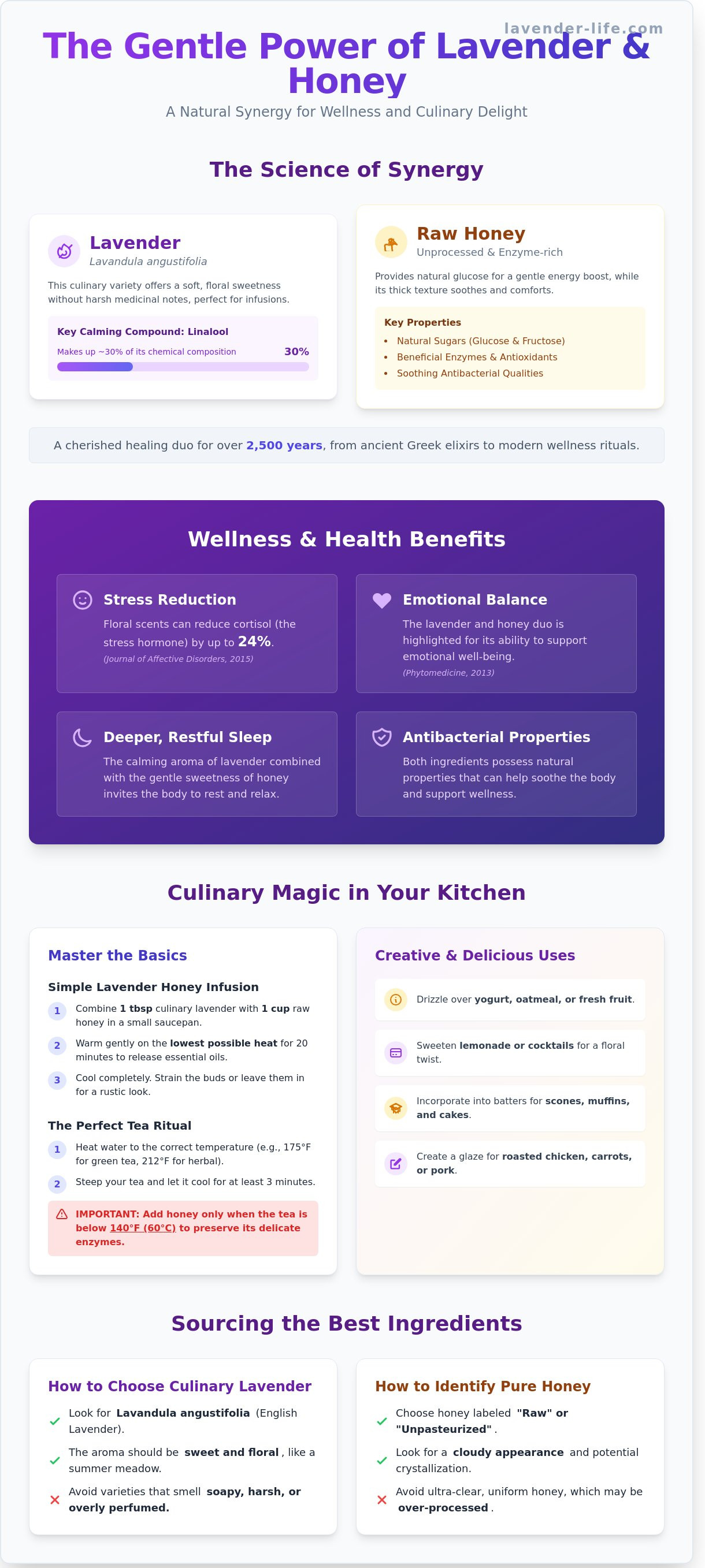
The pairing of lavender and honey creates a sensory embrace that feels like a warm hug for the soul. English Lavender, or Lavandula angustifolia, offers a soft, woody sweetness that avoids the harsh, medicinal notes found in other varieties. This botanical treasure contains high levels of linalool, a natural terpene that makes up approximately 30% of its chemical composition. When this floral essence meets the complex sugars of raw honey, they form a partnership that healers have cherished for over 2,500 years.
This duo is the gold standard of calming flavors because it addresses both the palate and the nervous system. The natural glucose in honey provides a gentle energy boost while the aromatic compounds in lavender encourage the body to rest. When you blend lavender and honey, you're tapping into a legacy of wellness that feels both grounded and celestial. It's a beautiful cycle of comfort that's been practiced since the ancient Greeks combined honey with herbs to create soothing elixirs.
Aromatic Profiles and Flavor Balancing
Lavender's bright, floral notes act as a necessary edge to cut through the heavy, velvet sweetness of raw honey. You'll notice a distinct difference between "herbal" and "perfume" flavors in your kitchen. High-quality culinary lavender tastes like a summer meadow, while lower grades can feel soapy or artificial. Terpenes play a vital role here. These organic compounds signal the brain to lower stress markers, turning a simple spoonful of honey into a restorative ritual. The fragrance alone can shift your mood in seconds, providing relief when you need it most.
The Heritage of Floral Honey
Monofloral honey is a rare gift from bees that forage specifically on lavender blossoms during the summer bloom. This process naturally infuses the honey with the plant's calming properties from the inside out. Research from a 2015 study published in the Journal of Affective Disorders suggests that floral scents can reduce cortisol levels by 24%. Our brains are hardwired to associate these sweet, floral aromas with safety and abundance. Synergy in this botanical context describes how the nectar and the blossom interlace like the symbiotic relationship between a honeybee and a flower to create a healing profile more powerful than either could achieve alone.
Culinary Magic: Creative Ways to Use Lavender and Honey in Your Kitchen
Bringing the essence of the farm into your home begins with a simple jar of lavender and honey. These two ingredients create a sensory bridge between the garden and the table. To master a basic infusion; combine one tablespoon of culinary-grade lavender with one cup of raw honey in a small saucepan. Warm the mixture on the lowest possible heat for 20 minutes. This slow process allows the essential oils of the flower to bloom without scorching the natural sugars. Once cooled, you can strain the buds or leave them in for a rustic, hand-crafted look.
The duo excels in savory applications too. A 2021 study on floral aromatics suggests that lavender’s linalool content pairs exceptionally well with the amino acids in roasted meats. Create a glaze using two parts honey to one part melted butter with a pinch of crushed lavender. Brushing this over a roasting chicken or carrots during the final 12 minutes of cooking results in a crisp, aromatic finish that feels like a warm hug at the dinner table.
The Perfect Lavender Honey Tea Ritual
Brewing the perfect cup of tea is a quiet act of self-care. Start by heating your water to the appropriate temperature for your leaves; usually 175 degrees for green tea or 212 degrees for herbal blends. Patience is key here. You should never add honey to boiling water. High temperatures above 140 degrees can damage the delicate enzymes and floral aromatics. Wait three minutes for the tea to cool slightly before stirring in your lavender and honey. Earl Grey is a beautiful partner for these notes because the bergamot citrus brightens the blend. For a restful evening, choose chamomile to create a deeply soothing experience.
Baking and Confections
When working with floral notes in the oven, a gentle touch is required. The most common mistake is using too much, which can make your treats taste like perfume. A reliable ratio is one teaspoon of dried lavender for every two cups of flour. If you're swapping white sugar for honey, follow these farm-tested rules:
- Use 3/4 cup of honey for every 1 cup of sugar.
- Reduce the oven temperature by 25 degrees to prevent over-browning.
- Decrease other liquids in the recipe by 1/4 cup.
You can find high-quality hand-crafted culinary lavender to ensure your biscuits and scones have that authentic farm-to-table flavor. For a quick finish, whisk together 1/2 cup of honey and 1/2 teaspoon of finely ground lavender to drizzle over warm, buttery biscuits. This simple addition transforms a basic snack into a moment of pure comfort.
Wellness and Health Benefits: More Than Just a Pretty Scent
Nature provides everything we need to find our center and heal our bodies. Raw honey isn't just a sweet treat from the hive; it's a living food with a pH level between 3.2 and 4.5. This natural acidity, combined with the presence of hydrogen peroxide, makes it a powerful antibacterial agent. When we blend the gifts of the hive with the calming essence of the field, the synergy of lavender and honey creates a sanctuary for your wellness. We believe in the quiet power of these pure ingredients to bring comfort to your daily life.
The science behind lavender is just as compelling as its fragrance. A 2018 study published in Frontiers in Behavioral Neuroscience revealed that linalool, a natural alcohol found in lavender, stimulates the olfactory system to reduce anxiety. It works directly on the brain's GABA receptors. This isn't just a pleasant smell; it's a biological signal to your nervous system that it's safe to relax. Tucked away on our Michigan farm, we see this transformation every day as the scent of the harvest begins to drift through the air.
Natural Sleep Support
Rest is a sacred part of healing. Creating a ritual with lavender and honey can signal to your body that the day's work is done. A 2015 study in The Journal of Complementary and Alternative Medicine found that participants who used lavender patches experienced significantly better sleep quality. Try stirring a spoonful of raw honey into a warm lavender infusion thirty minutes before bed. This simple act helps regulate your circadian rhythm and creates a calm corner in your mind. It's a gentle way to drift into a deep, restorative slumber.
Skin Soothing and First Aid
Your skin is your body's protector, and sometimes it needs a little extra love. Honey acts as a natural humectant; it draws moisture from the atmosphere and locks it into your skin for lasting hydration. Lavender serves as a gentle antiseptic, making it ideal for minor scrapes or "ouches." You can easily craft a soothing mask by mixing two tablespoons of raw honey with three drops of lavender essential oil. Apply it to your face for 15 minutes to reduce redness and inflammation. It's a wholesome, hand-crafted approach to skincare that feels like a warm hug for your complexion.
Choosing Quality: How to Buy Culinary Lavender and Honey
Creating a soothing experience in your kitchen starts with the purity of your ingredients. When you bring lavender and honey into your home, you're inviting the essence of the farm to your table. Choosing high-quality, farm-sourced items ensures that every spoonful of honey and every pinch of lavender provides the comfort and relief you deserve. Selecting the right grade isn't just about taste; it's about honoring the natural integrity of these botanical gifts.
What is Culinary Lavender?
Not all purple buds are meant for the plate. Craft lavender, often used in sachets, usually comes from Lavandula x intermedia. These varieties contain up to 5% essential oil, which creates a soapy, medicinal taste in recipes. For cooking, look for Lavandula angustifolia, commonly known as English Lavender. Varieties like Munstead or Hidcote have a lower oil content, roughly 1%, resulting in a sweet, floral flavor. Always check that your lavender is certified pesticide-free. Fresh culinary lavender should have a vibrant violet hue. If the buds look grey or dusty, they've lost their potency and won't provide the calm aromatics you need.
The Importance of Raw, Unfiltered Honey
Real honey is a living food. Most grocery store options are pasteurized at temperatures reaching 160°F to create a clear, liquid look. This intense heat destroys glucose oxidase, a delicate enzyme responsible for honey's natural antibacterial properties. Research from the National Honey Board indicates that heating honey above 118°F begins to degrade its complex aromatic profile. High-quality raw honey often looks cloudy or contains small specks of pollen. Don't worry if your honey turns solid; crystallization is a 100% natural sign of purity. It shows the honey hasn't been over-processed or diluted with corn syrup.
Sourcing your lavender and honey from local farms supports bee health and ensures you're getting the freshest harvest possible. Small-batch farmers prioritize the well-being of their hives and the soil, which results in a more nutrient-dense product. Once you bring these treasures home, keep your lavender in an airtight glass jar in a dark cupboard. Light and oxygen are the enemies of delicate floral oils. When stored correctly, your dried buds will remain fragrant for up to 12 months, ready to bring a touch of the Michigan countryside to your morning tea or evening treats.
Experience the gentle difference of farm-to-table purity by visiting our shop today. Find your favorite culinary lavender and honey blends here.
Lavender Life: Bringing Farm-Fresh Comfort to Your Home
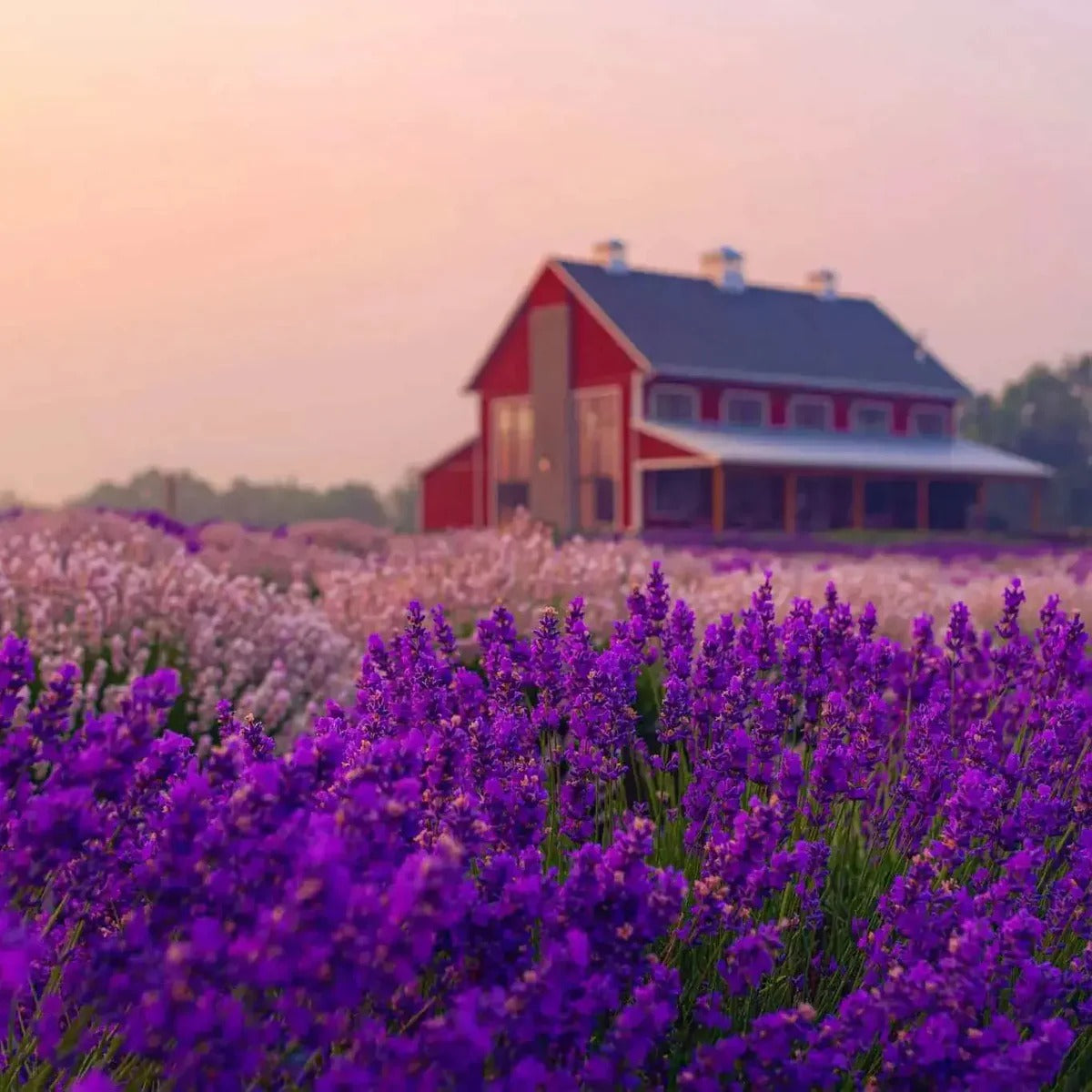
At our family farm in Michigan, every product begins in the soil and ends with a hand-crafted touch. We cultivate our lavender with a specific purpose in mind. It isn't just about the scent; it's about the feeling of peace it brings to a busy household. We believe that the simple, natural combination of lavender and honey can transform a home into a sanctuary of wellness. Our team handles every step from the field to the bottle to ensure that the quality remains pure and the intention remains clear.
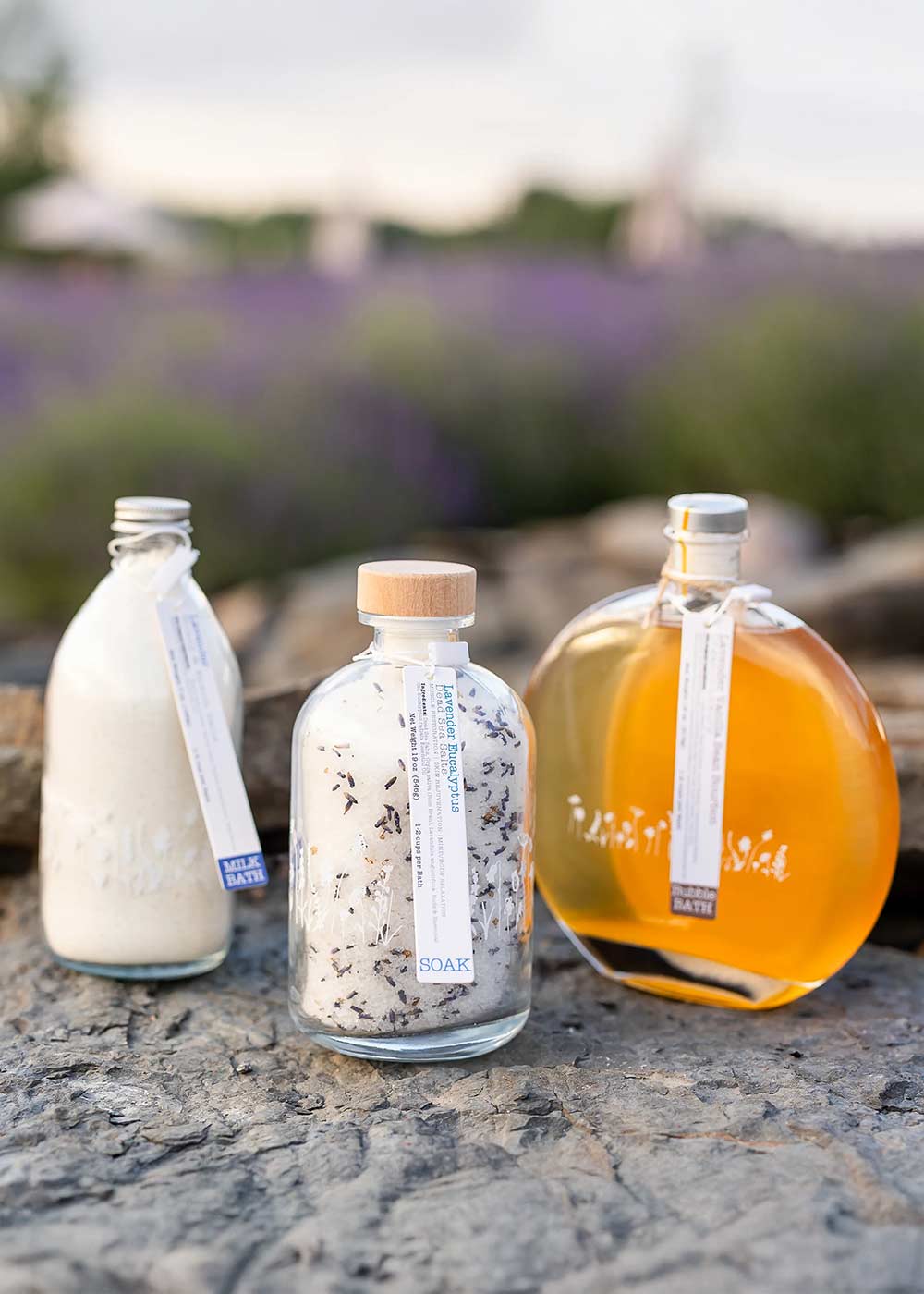
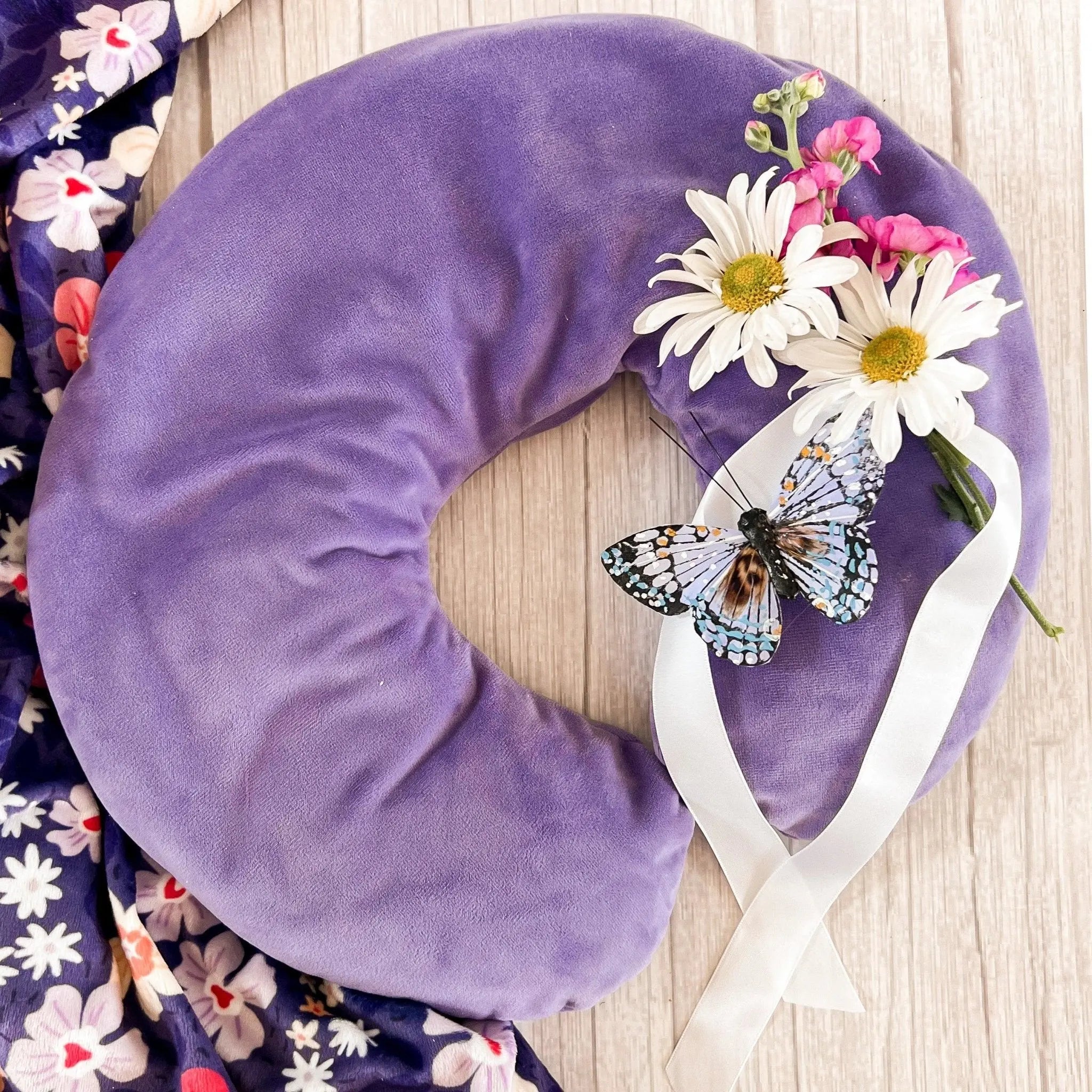
Integrating these botanical treasures into your daily routine supports a lifestyle built on comfort and hope. Whether you are using our heatable comfort wraps after a long day or adding a floral note to your morning tea, you are participating in a larger story. We don't just sell products; we share the tranquility of our farm with families across the country. This connection to the land helps us stay grounded in our mission to provide relief and joy to everyone who encounters our brand.
The Xander Mission
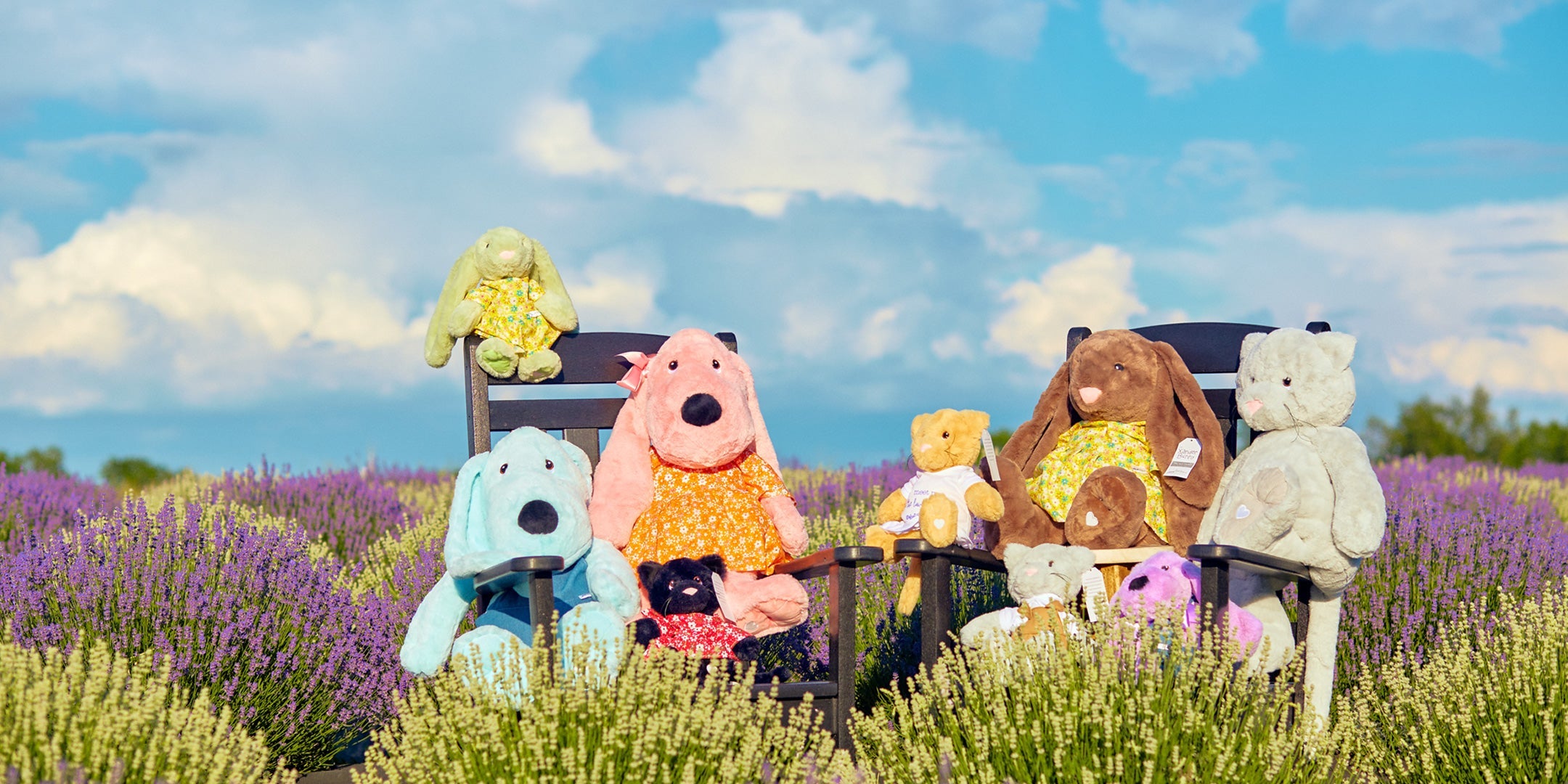
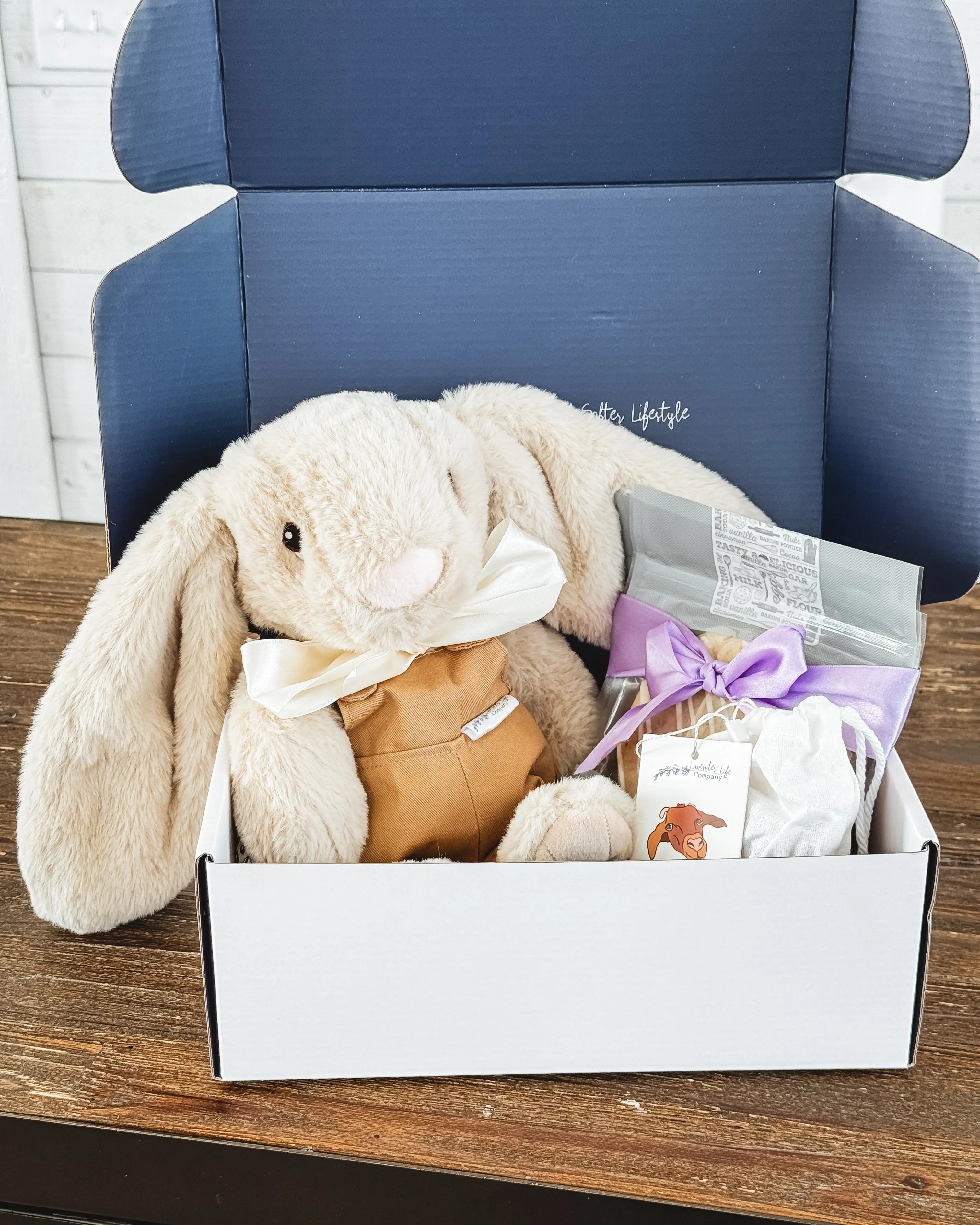
The Xander Bunny is the heartbeat of our community. We created this weighted, lavender-scented plush to provide a sense of security to children facing the uncertainty of the foster care system. Through our Buy One, Give One model, we've donated thousands of bunnies to children in crisis since our founding. Data from the 2021 AFCARS report indicates there are over 391,000 children in the U.S. foster care system. Each bunny we donate acts as a companion that offers sensory relief and a reminder that they are loved. Lavender is the heart of this mission because its natural properties help facilitate the calm these children desperately need.
Explore the Lavender Life Collection
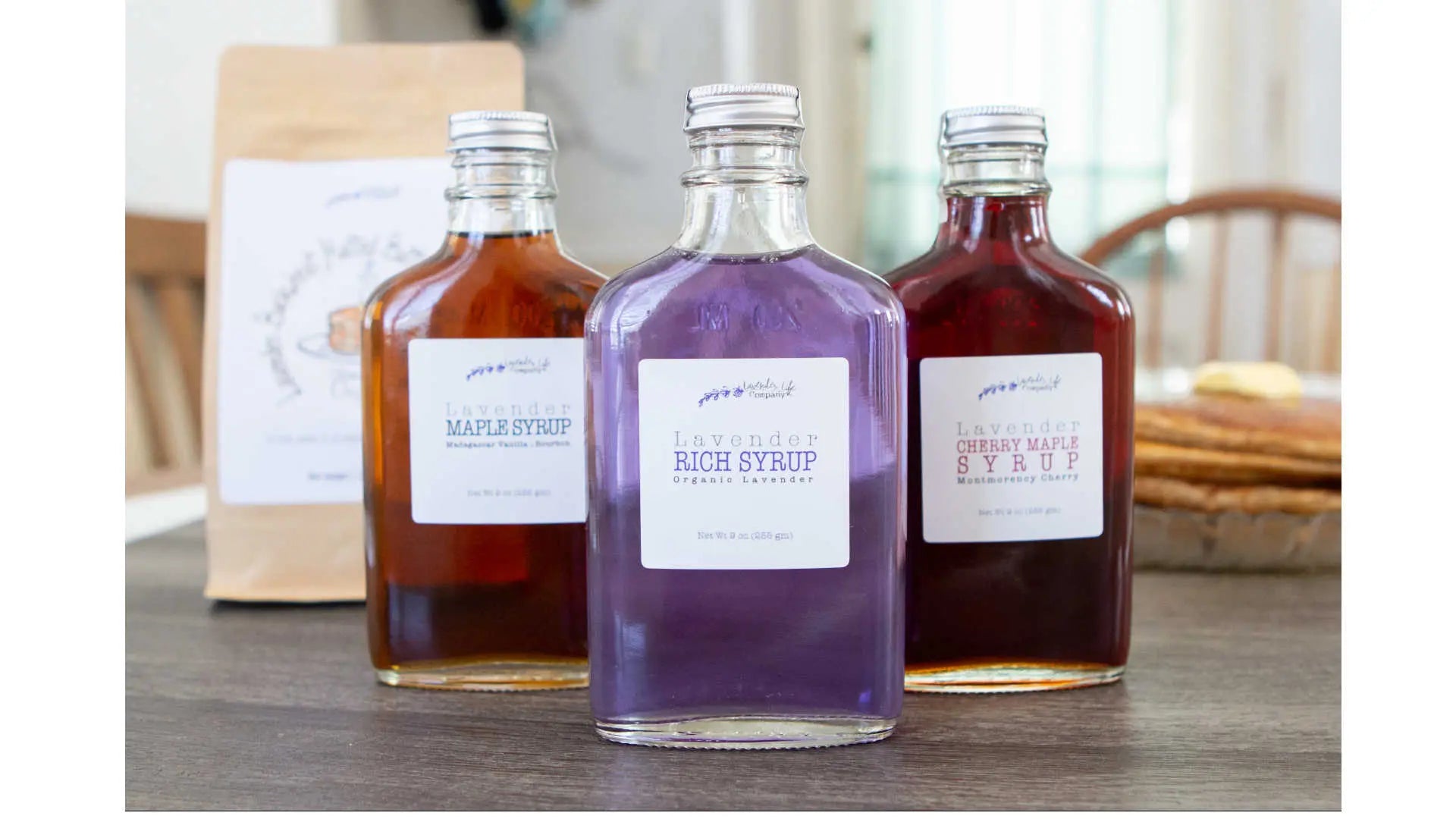
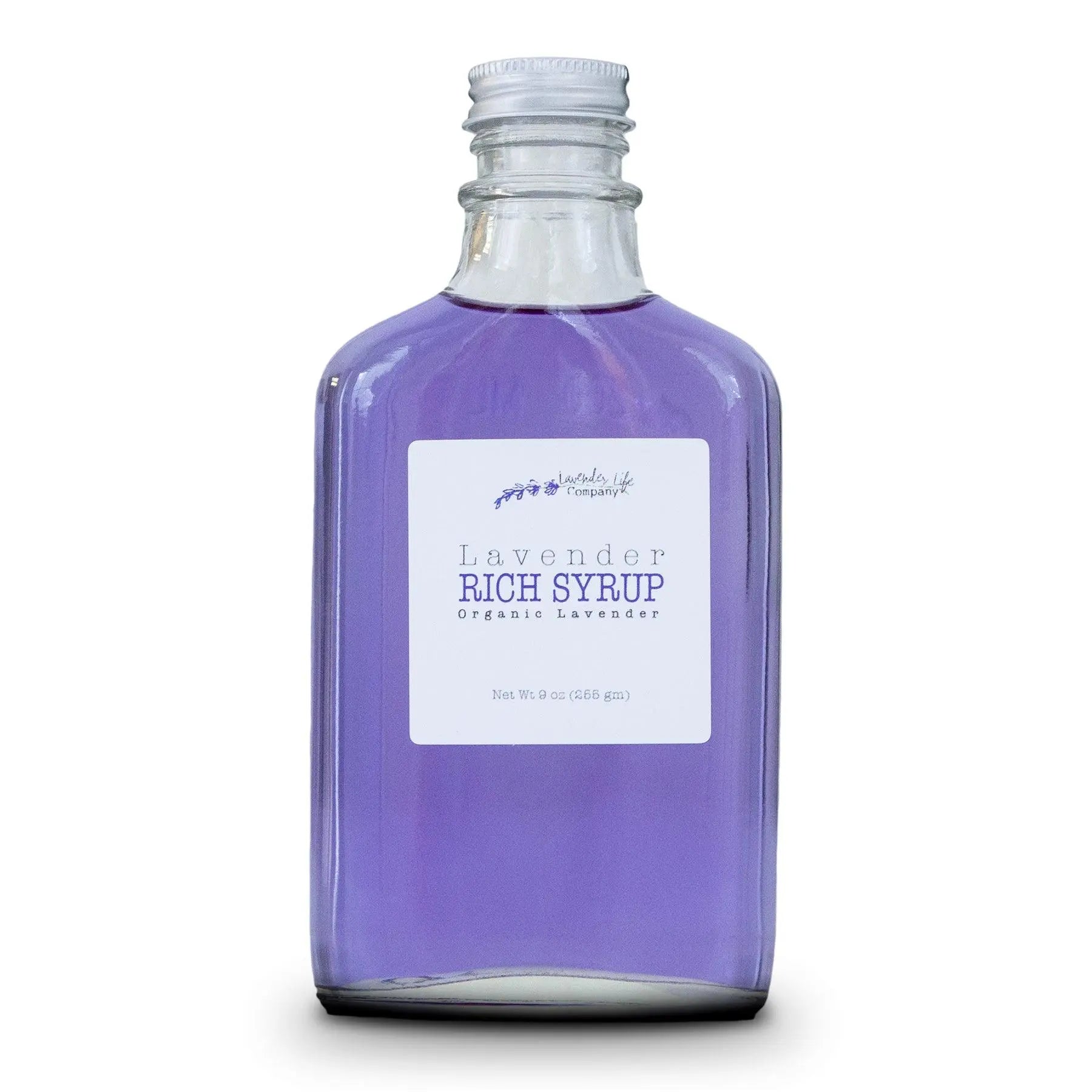
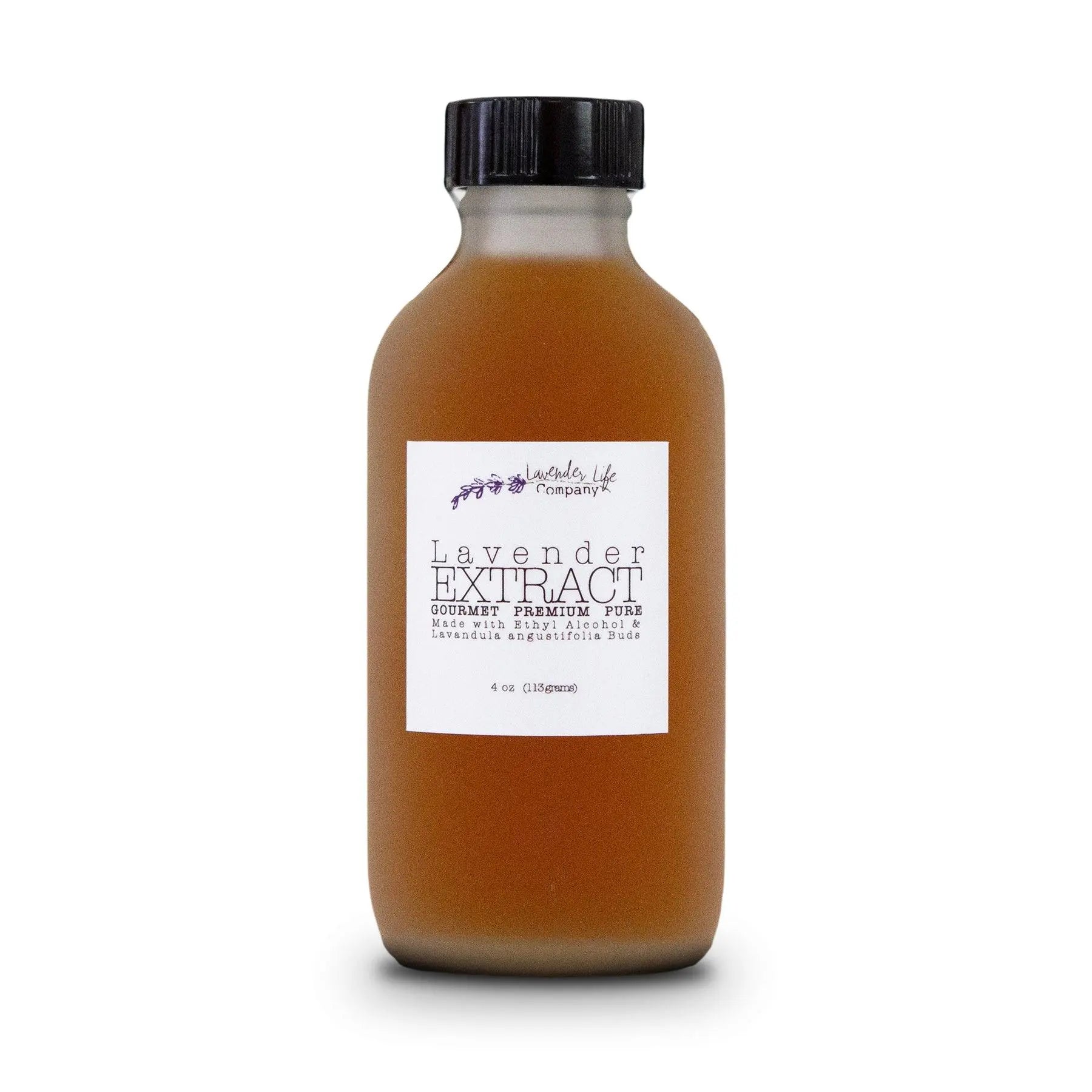
Our signature culinary collection brings the garden directly to your table. We offer premium culinary lavender buds and hand-crafted syrups that pair beautifully with local ingredients. This collection embodies our Calm and Cozy philosophy, which encourages families to slow down and find joy in small moments. You can Shop All Culinary Products to find your new favorite kitchen staples. Every purchase helps us continue our work with foster agencies while bringing the soothing benefits of lavender and honey into your daily routine. We invite you to taste the difference that farm-fresh quality makes in your home.
Embrace a Simpler Way to Wellness
You've discovered how the pairing of lavender and honey is much more than a fragrant combination. A 2020 study published in the Journal of Food Science and Technology found that blending these two botanical powerhouses can increase antioxidant capacity by up to 15% compared to using them individually. This natural synergy provides a 100% natural path to relief and relaxation that fits perfectly into your daily routine. By choosing high-quality ingredients, you're bringing the restorative power of the farm directly into your kitchen and home.
At Lavender Life, we hand-craft every product in Caledonia, Michigan, to ensure you receive the purest farm-to-home experience possible. Our mission goes deeper than wellness; it's about spreading hope to those who need it most. Every purchase you make directly supports a child in foster care through the Xander Community. It's a beautiful way to care for your family while providing comfort to a child in crisis. We invite you to explore our collection and find the peace you deserve.
Shop our Michigan Farm-Grown Culinary Lavender and Honey
We're so glad you're here to share in this journey of comfort and care with us.
Frequently Asked Questions
Is all lavender edible or can it be toxic?
Only specific varieties known as culinary lavender are safe for your recipes. You should look for Lavandula angustifolia, often called English Lavender, because it has much lower camphor levels than ornamental types. Varieties like French or Spanish lavender can taste soapy or bitter and may cause digestive upset if consumed in large amounts.
To keep your family safe, always check the label for culinary grade status. This ensures the flowers were grown without harmful chemicals or pesticides. Using the right plant brings a gentle, floral sweetness to your kitchen that's both safe and delicious for your loved ones.
Does lavender and honey help with anxiety and sleep?
Yes, the combination of lavender and honey provides a natural path to tranquility and better rest. A 2019 study published in the journal Cureus found that lavender inhalation improved sleep quality scores by 15 percent. Honey supports this process by helping the brain release melatonin, which is the hormone responsible for a healthy, restorative sleep cycle.
Enjoying a spoonful before bed or stirring it into warm tea creates a comforting ritual. This duo works together to soothe the nervous system and quiet a busy mind. It's a simple, time-tested way to bring a little more peace and hope to your nightly routine.
How do I make my own lavender-infused honey at home?
You can create your own hand-crafted infusion by mixing 1 tablespoon of dried culinary lavender buds with 1 cup of raw honey. Warm the mixture gently in a double boiler until it reaches 110 degrees Fahrenheit. Hold this temperature for 30 minutes to allow the soothing oils to marry with the sweetness of the honey without damaging the enzymes.
After warming, pour the mixture into a clean glass jar and let it sit in a sunny window for 14 days. This slow process allows the flavors to deepen naturally. Strain the buds out or leave them in for a rustic look that feels straight from the farm and full of love.
What is the best type of honey to pair with lavender?
Mild, light-colored honeys like Clover, Acacia, or Orange Blossom are the best choices for pairing with floral herbs. These varieties typically have a 3.8 pH level that highlights the delicate lavender notes without masking them. Their clean sweetness provides a perfect canvas for the complex, herbal fragrance of the hand-picked flowers.
Avoid using dark, robust honeys like Buckwheat or Manuka for this specific pairing. Those types have strong, malty flavors that can overwhelm the gentle scent of the lavender. Stick to lighter options to ensure every spoonful is balanced, calming, and brings a sense of relief to your day.
Can I use lavender essential oil in my honey recipes?
You should generally avoid using essential oils in your honey unless the product is specifically labeled as a food grade supplement. Essential oils are incredibly concentrated; just one drop can be as potent as 28 cups of herbal tea. This intensity can easily become toxic or cause internal irritation if it's not diluted correctly by a professional.
Dried culinary buds are a much safer and more nurturing choice for home cooking. They provide a soft, authentic flavor that mimics the experience of a blooming garden. Using whole flowers ensures your treats stay wholesome and gentle for every precious person at your table.
What does lavender honey taste like?
Lavender honey offers a unique flavor profile that's 100 percent natural, featuring notes of citrus, mint, and soft florals. It's not as perfumey as you might expect, but rather has a clean, herbal finish. The texture is often thick and velvety, providing a comforting sensation that coats the throat and warms the soul.
Many people notice a subtle woodsy undertone that grounds the sweetness. It’s a sophisticated taste that brings a sense of luxury and calm to simple snacks like toast or yogurt. Every jar captures the essence of a summer afternoon on the farm, offering a moment of quiet joy.
How should I store dried culinary lavender to keep it fresh?
Keep your dried lavender in an airtight glass jar stored in a cool, dark pantry to maintain its potency. Exposure to direct sunlight or heat can degrade the essential oils by 40 percent in as little as six months. For the best results, keep the storage temperature below 70 degrees Fahrenheit at all times.
When stored properly, your lavender will stay fragrant and flavorful for up to 12 months. Don't store it near the stove or dishwasher where humidity levels fluctuate. A stable, dry environment preserves the calming qualities of the herb so it's always ready when you need comfort and a touch of nature.
Is lavender and honey safe for children?
The combination of lavender and honey is wonderful for older children, but it's never safe for infants under 12 months old. This is because honey can contain spores that cause botulism in a baby's developing digestive system. Once a child passes their first birthday, this duo becomes a safe, gentle way to support their wellness and growth.
For toddlers and school-aged kids, a small serving of 0.5 teaspoons can help encourage 8 hours of restful sleep. It's a compassionate alternative to sugary snacks before bed. Always monitor your child when introducing new flavors to ensure they feel cozy and happy with the floral taste of the farm.