








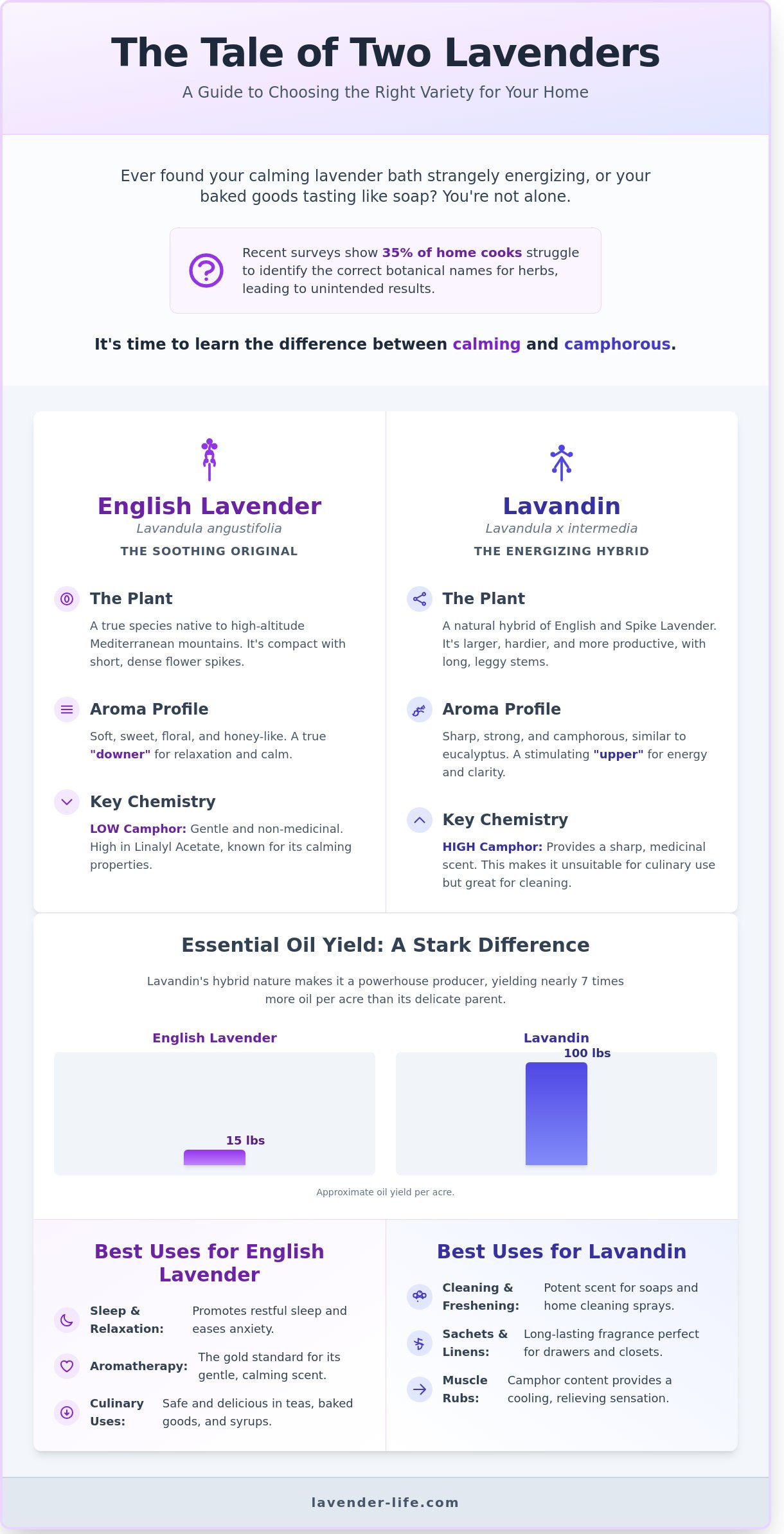
On October 12th last year, a friend of our farm shared that her carefully baked shortbread tasted more like a bar of floral soap than a sweet garden treat. It's a common heartbreak, as recent surveys indicate that 35 percent of home cooks struggle to identify the correct botanical names for culinary herbs. You might feel a similar confusion when you reach for a bottle of essential oil to help you drift into a peaceful sleep, only to find yourself feeling more alert than before. Understanding the subtle nuances between lavender and lavender varieties is the key to bringing true, purposeful comfort into your home.
We believe everyone deserves the gentle relief that nature provides without any of the frustrating guesswork. You will discover the botanical and therapeutic differences between English Lavender and Lavandin so you can choose the perfect scent for your specific wellness needs. We will walk through why one variety excels at soothing your spirit for rest while the other serves as a bright powerhouse for refreshing your linens. By the time you finish reading, you'll know exactly which stems to use for a calming tea and which ones to keep for your spring cleaning routines.
Key Takeaways
- Uncover the botanical secrets that distinguish compact English Lavender from its leggy cousin, Lavandin, to better understand your favorite plants.
- Learn when to embrace the soothing scent of serenity for restful sleep or the spark of vitality for muscle relief and mental clarity.
- Ensure your kitchen creations are safe and delicious by discovering why only specific varieties belong in your culinary recipes.
- Navigate the linguistic confusion of lavender and lavender to select the ideal variety for a more fragrant and comforting home sanctuary.
- Follow the nurturing journey from our Michigan farm to your doorstep, seeing how we select the finest blooms to bring you peace and hope.
The Tale of Two Lavenders: Why 'Lavender and Lavender' Are Not the Same
Walking through the fragrant fields at Lavender Life Company, you quickly realize that not every purple bloom carries the same soul. Many people use the phrase lavender and lavender as if the two are interchangeable, but this linguistic shortcut often leads to confusion. While they share a name, the botanical reality is far more nuanced. Choosing the wrong variety for your evening bath or a handmade sachet can change your entire experience from a restful retreat to a sharp, wakeful moment. We want your home to be a sanctuary of peace, and that starts with knowing exactly what's in your essential oil bottle or eye mask.
The Botanical Family Tree
The Lavandula genus is a diverse family containing over 40 distinct species. At our farm, we focus on the two main contenders that define the industry. First, we have Lavandula angustifolia, often called English Lavender or True Lavender. This species originated in the high-altitude Mediterranean mountains, thriving at elevations above 2,000 feet. It's the gold standard for aromatherapy because of its low camphor content and gentle nature.
The second contender is Lavandula x intermedia, commonly known as Lavandin. This is a natural hybrid born from the cross-pollination of English Lavender and Spike Lavender. While True Lavender produces about 15 pounds of oil per acre, Lavandin is a powerhouse, often yielding up to 100 pounds in the same space. This high yield makes it popular for commercial soaps, but its chemical profile is vastly different from its delicate cousin. It's larger, hardier, and much more productive, yet it lacks the soft touch of the original mountain species.
A Sensory First Impression
Your nose is the most reliable tool for telling these two apart. True Lavender offers a soft, honey-like sweetness with light floral undertones. It's the scent of a quiet afternoon and a warm hug. It contains high levels of linalyl acetate, a compound known for its calming properties. When you use products infused with True Lavender, you're inviting a sense of peace into your home that helps quiet the mind after a long day.

Lavandin hits the senses with a sharp, camphorous punch. It smells more like eucalyptus or medicinal herbs than a flower garden. This variety acts as an "upper" rather than a "downer," making it excellent for clearing sinuses or refreshing a laundry room, but less ideal for a sleep aid. Understanding the distinction between lavender and lavender ensures your home spa rituals align with your goals. If you seek deep relaxation, you want the mountain-born sweetness of angustifolia. If you want a bright, energizing clean, the hybrid intermedia is a wonderful choice.
- English Lavender (Angustifolia): Best for sleep, anxiety relief, and delicate culinary uses.
- Lavandin (Intermedia): Best for cleaning products, drawer sachets, and cooling muscle rubs.
At Lavender Life Company, we believe every choice should bring comfort and hope. By knowing your plants, you can curate a wellness routine that truly nurtures your spirit. Whether you're tucking a Xander Bunny into a child's arms or lighting a candle for yourself, the right species makes all the difference in the world. True relaxation isn't just about the color purple; it's about the chemistry of the bloom.
Botanical Breakdown: English Lavender vs. Lavandin
Walking through the rows at the farm, you'll quickly notice that not every purple bloom carries the same spirit. To truly master the use of lavender and lavender hybrids in your home, it's helpful to understand their unique physical personalities. English Lavender, known scientifically as Lavandula angustifolia, is the classic choice for those seeking a gentle embrace. These plants are compact and tidy, usually growing in a sweet mound that stays between 12 and 24 inches tall. Their leaves are narrow and silver-green, creating a soft cushion that feels right at home in a quiet garden corner.
Lavandin is a different story altogether. As a natural hybrid, it possesses a vigorous energy that makes it much larger and more "leggy" than its English cousin. You'll see Lavandin reaching heights of 30 to 36 inches with ease. The stems are long and elegant, sometimes reaching 24 inches on their own, which makes them wonderful for tall floral arrangements. For a deeper look at these physical traits, this botanical breakdown of Lavandin describes how its parentage gives it such a robust and hardy structure.
The flower heads themselves offer a clear visual cue for identification. English Lavender produces a blunt, short spike that looks like a soft clover. Lavandin blossoms are more dramatic, forming a long, pointed cone that tapers at the top. Because Lavandin is a sterile hybrid, it doesn't spend energy on seed production. Instead, it pours all its vitality into growth and oil. This results in a massive difference in yield. While an acre of English Lavender might produce 15 pounds of essential oil, an acre of Lavandin can yield up to 100 pounds. This abundance is why Lavandin is so often found in handcrafted soaps and cleaning products that fill your home with a fresh, bright scent.
The Chemistry of Calm: Linalool and Linalyl Acetate
English Lavender is nature's gentle lullaby. Its chemical profile is dominated by linalool and linalyl acetate, compounds that research from 2019 suggests are vital for soothing the nervous system. This variety contains less than 0.5% camphor, which is why it lacks any medicinal sharpness. It's the perfect choice when you want to create a calming bedtime ritual for yourself or a loved one. The low camphor levels allow the sweet, floral notes to shine through, providing a pure sense of tranquility and relief.
The Chemistry of Energy: Camphor and Cineole
When you need a breath of fresh air, Lavandin is your most trusted companion. This hybrid contains between 6% and 8% camphor, giving it a crisp, slightly piercing aroma that wakes up the senses. This higher camphor content provides excellent respiratory support and helps clear the mind during a long day. It's a more "athletic" version of lavender and lavender oil blends, offering a sense of strength and protection. The presence of eucalyptol (cineole) adds a refreshing quality that makes it a favorite for relieving tired muscles after a day of hard work on the farm or in the office.
The Scent of Serenity vs. The Spark of Vitality
Choosing between different types of lavender and lavender shouldn't feel like a chore. It's about finding the right botanical friend for your current mood. At our Michigan farm, we've seen how these two varieties play unique roles in a family's wellness journey. True English Lavender acts like a warm, comforting hug. It contains high levels of linalyl acetate; this is a compound that helps quiet the mind and prepare the body for rest. A 2019 study in the journal Molecules confirmed that these esters are essential for the plant's sedative effects.
Lavandin offers a different kind of support. It's a hybrid variety born in the 1920s that grows much larger than its English cousin. Because it contains about 7% to 8% camphor, it smells sharper and more medicinal. Some people mistakenly label Lavandin as "low quality" because it's less expensive to produce. That isn't the case. It's simply a different tool. While English Lavender is for the soul, Lavandin is for the body. The University of Illinois Extension highlights the differences between English and Lavandin varieties, noting that Lavandin is often preferred for crafts and sachets because its scent lasts much longer.
Evening Rituals with English Lavender
When the sun sets over the fields, we reach for English Lavender to signal the body it's time to let go. Creating a bedtime routine with hand-crafted, lavender-infused neck wraps or pillows provides immediate sensory relief. The science is fascinating. When you inhale the sweet, floral scent, the molecules travel to the amygdala. This is the emotional center of your brain. A 2013 research trial showed that this process can reduce anxiety levels by 20% in high-stress environments. Because English Lavender has almost no camphor, it's the safest choice for gentle skincare. It won't irritate sensitive skin, making it perfect for a soothing balm before tucking the little ones into bed.
Morning Momentum with Lavandin
Morning fog doesn't stand a chance against the invigorating spirit of Lavandin. Its high camphor content acts as a natural wake-up call for your respiratory system. Try hanging a bundle of Lavandin in your shower. The steam releases the oils, clearing your head and sharpening your mental focus for the day ahead. It's an easy, wholesome way to start your morning with purpose. Beyond personal wellness, Lavandin serves your home. Moths and other pests find the camphor scent overwhelming. Placing a few hand-sewn Lavandin sachets in your closet provides a 100% natural repellent that keeps your favorite sweaters safe and smelling fresh. It's a hardworking plant that brings both relief and protection to your daily life.
From Kitchen to Closet: Practical Ways to Use Each Variety
Bringing the magic of the farm into your daily life starts with knowing which flower to reach for. Choosing between lavender and lavender varieties depends on your heart's intent for the day. Whether you are baking a birthday treat or tucking a child into bed, the right cultivar makes all the difference. Our Michigan farm has taught us that every bud has a purpose, a story, and a unique way to offer comfort to your family.
The Baker’s Secret: Culinary Lavender
If you want to create a dessert that feels like a warm embrace, English Lavender is your best friend. This variety, specifically cultivars like Munstead or Hidcote, contains very little camphor. Since the 1600s, healers and cooks have used these sweet buds to flavor food without the bitter, soapy aftertaste found in other types. English lavender has a delicate, floral profile that whispers rather than shouts. It's the perfect companion for a quiet afternoon tea.
When you're in the kitchen, try pairing these dried buds with bright lemon zest, local honey, or rich dark chocolate. A tiny pinch goes a long way. Use about one third of the amount you would use for other herbs. This ensures the flavor remains a gentle floral note. For more inspiration on bringing these flavors to your table, visit our guide on Cooking with Lavender: Recipes & Tips for Your Kitchen. It's a wonderful way to share the bounty of the earth with those you love most.
The Household Hero: Lavandin
While English lavender is for the palate, Lavandin is for the home. This hybrid variety is a powerhouse of fragrance. Lavandin flowers can yield up to 4 times the essential oil of their English cousins; this makes them the star of any farm shop. Because it contains 7% to 12% camphor, it has a punchy, medicinal aroma that is incredibly refreshing. It's the scent of a clean, cozy home where everyone is safe and cared for.
Use Lavandin oil to create your own DIY cleaning solutions. Mix 15 drops with white vinegar and water to refresh your countertops naturally. It also acts as a gentle protector. Tucking Lavandin into your closet helps repel pests like moths without using harsh chemicals. It's a wholesome way to keep your linens smelling like a summer breeze in the middle of a Michigan winter. The strong scent profile ensures that your home feels like a sanctuary of peace and clarity.
The secret to a peaceful home lies in how you layer lavender and lavender together. For your drawers and closets, Lavandin is the clear winner for longevity. A sachet filled with Lavandin buds can retain its potent fragrance for up to 730 days. You simply need to give the bag a gentle squeeze to release the oils again. English lavender is lovely, but its scent is fleeting. Use the softer English variety for pillows where you want a subtle, sleep inducing aroma.
If you enjoy blending essential oils, try a "70-30" rule. Use 70% English lavender for its sweet, calming base and 30% Lavandin for that bright, top note. This combination creates a complex profile that mirrors the natural diversity of a blooming field. It brings a sense of balance and hope to any room. You don't have to choose just one when the two work so beautifully in harmony.
Bring the soothing scent of our Michigan farm into your home with our hand-crafted lavender bundles.
Crafting Comfort at Lavender Life Farm
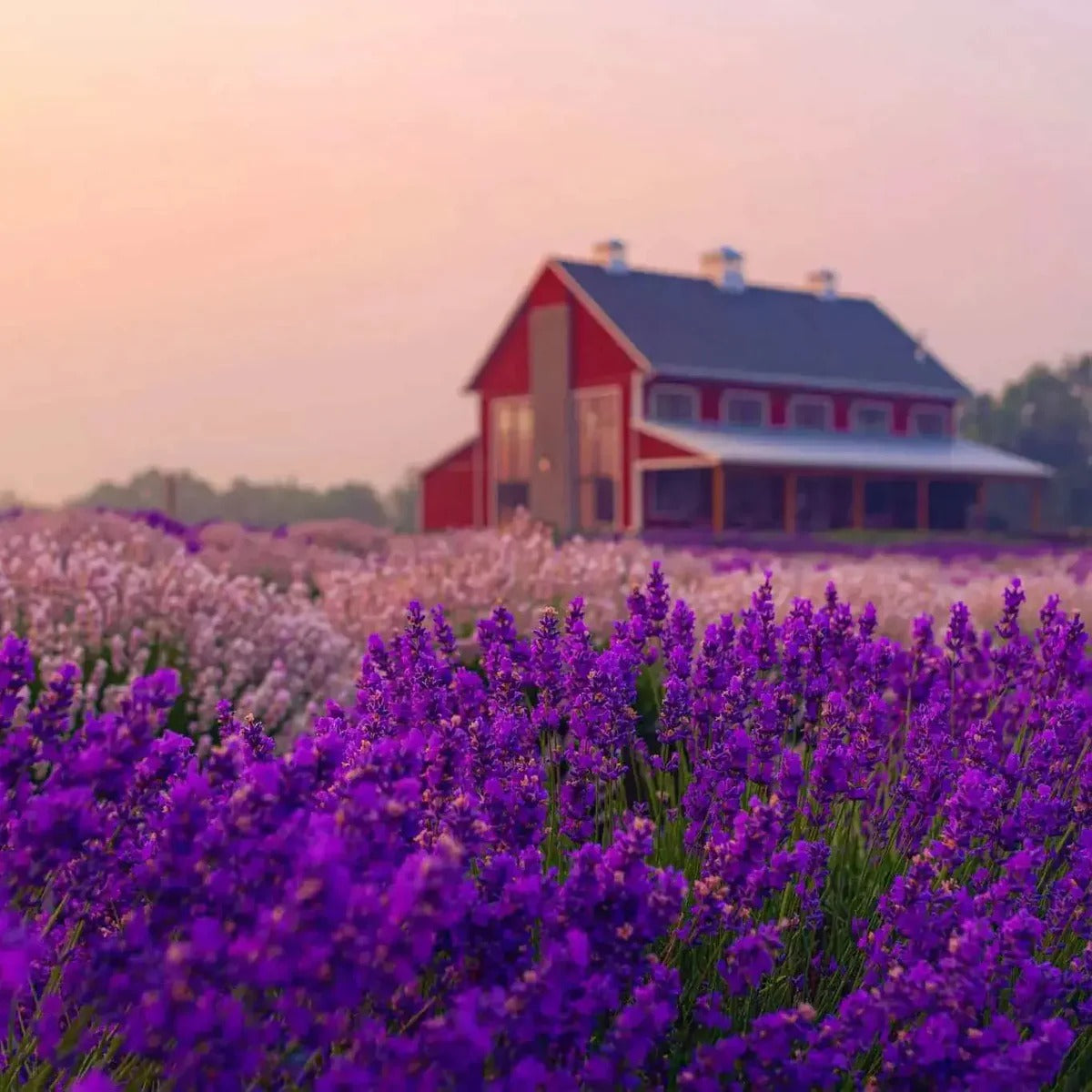
Walking through our purple fields in West Michigan, you feel a shift in the air. It's more than just a pleasant aroma; it's a promise of peace that we've nurtured for years. Over that time we've learned that the secret to a truly calming product lies in the relationship between lavender and lavender varieties. Not all plants are created equal, and we've dedicated our lives to selecting only the finest strains for genuine comfort. Our farm isn't just a place of business. It’s a sanctuary where we hand-tend thousands of plants to ensure that every bottle of lotion or heatable wrap carries the essence of our home to yours.
Made with Love in Michigan
Our heritage is rooted deeply in the soil of West Michigan. We don't believe in mass production that strips away the soul of the plant. Instead, we use a hand-crafted ethos for every item we create. We harvest our blooms at the peak of their oil production, ensuring that the scent remains vibrant and effective. Whether it's a creamy body scrub or a silky lotion, we want the texture to feel like a caring friend. Our 100% natural ingredients are chosen to provide relief to tired skin and weary minds. We treat every batch with the same attention to detail that we gave our very first harvest because your comfort is our primary mission.
The nurturing process involves more than just sunshine and water. We use sustainable practices to protect the land that gives us so much. By focusing on small-batch production, we maintain total control over the quality. You won't find harsh chemicals or synthetic fillers here. We believe that what you put on your body should be as pure as the air on our farm. This commitment to quality is why our community returns season after season. They know that our products are infused with the sincerity and warmth that only a family-owned farm can provide.
Comfort and Hope: The Xander Story
Selecting the right variety of lavender and lavender blends is vital for our specialty items, especially our heatable Xander Friends. We use a specific combination of *Lavandula angustifolia* for its sweet, calming properties and *Lavandula x intermedia* for its long-lasting fragrance. This ensures that when you heat a Xander Bunny, the soothing aroma fills the room and lingers to provide maximum relief. These bunnies are more than just toys; they are tools for emotional regulation and physical warmth. The weight and scent work together to ground the senses, making them perfect for anyone needing an extra layer of security.
The heart of our farm beats for the Xander Community. We created the Xander Bunny to bring comfort and hope to children in crisis, specifically those entering the foster care system. For every Xander Bunny you purchase, we donate another one to a child in need. These children often face the most difficult days of their lives with very few personal belongings. A soft, lavender-infused friend provides a sense of safety and a consistent sensory anchor during times of upheaval. Research indicates that the olfactory system is linked directly to the brain's emotional center, which is why our specific farm-grown scent is so effective at reducing stress in these brave little ones.
- Our "one-for-one" donation model has already impacted thousands of children across the country.
- The bunnies are designed with a removable lavender-filled pouch for easy cleaning and long-term use.
- Scented comfort helps bridge the gap between fear and felt safety for children in transition.
When you choose a product from Lavender Life Farm, you're not just buying a gift for yourself. You're participating in a mission of generosity. You're helping us tell a child in foster care that they are seen, they are loved, and they are not alone. It's a purchase with a profound purpose that extends far beyond the borders of our Michigan fields. We invite you to join our family in spreading a little more peace and a lot more love through the simple, healing power of our harvest.
Bring home a Xander Bunny and share the love
Bring the Calm of the Farm Into Your Home
Choosing between lavender and lavender varieties doesn't have to be a mystery. You now know that English lavender provides the gentle, sweet notes needed for culinary treats and deep rest. Lavandin offers a powerful, camphor-rich scent that's ideal for refreshing your favorite linens. Every bottle we produce is 100% pure and hand-crafted right here in Michigan. We believe quality starts in the soil and ends with a sense of peace in your heart. When you bring these scents into your space, you're also joining a larger mission of love. There are currently 391,000 children in the American foster care system according to recent federal data. Because of this, we've committed to a 1:1 donation model. Every Xander Bunny purchase sends a soft friend to a child who needs to know they're seen and loved. It's a simple way to turn your self-care into a gift of hope for someone else. We're so glad you're part of our community.
Explore our farm-grown Lavender and Lavandin collections
Frequently Asked Questions
Is all lavender edible or can some types be toxic?
English Lavender (Lavandula angustifolia) is the safest choice for culinary use because it contains low camphor levels. While most varieties aren't strictly toxic, French and Spanish types have higher camphor that tastes bitter. It can cause stomach upset if you eat a large amount. Stick to "Munstead" or "Hidcote" for your 2024 recipes to ensure a sweet, floral flavor.
Why does my lavender essential oil smell like medicine?
Your oil likely comes from Lavandin, which is a hybrid plant that contains up to 7% camphor. This gives it a sharp, medicinal scent. True English Lavender contains less than 1% camphor. This results in the sweet, calming aroma you expect from our farm-fresh harvests. If you're looking to master lavender and lavender for relaxation, always check the botanical label for Lavandula angustifolia.
Can I use Lavandin oil for sleep or will it keep me awake?
Lavandin is often too stimulating for sleep because its high camphor content acts as a mild stimulant. Research from 2013 suggests that while English Lavender promotes deep REM cycles, Lavandin is better for clearing sinuses during the day. For a restful night, reach for products containing 100% pure English Lavender. This helps your body find its natural, quiet rhythm.
How can I tell if the lavender in my garden is English or Lavandin?
Look closely at the stems and flower heads to distinguish between these two varieties in your garden. English Lavender typically has short, single stems about 12 inches long with blunt flower spikes. Lavandin grows much larger. It often reaches 30 inches in height and features long, pointed spikes that frequently branch into three separate flowering heads.
Which lavender variety is best for making dried flower bouquets?
Lavandin, specifically the 'Grosso' variety, is the gold standard for dried bouquets because its long stems provide great structure. These stems can reach 24 inches in length. This makes them easy to bundle and tie with a simple, soft ribbon. The flowers also hold their blue-grey color for up to 12 months when you keep them out of direct sunlight.
Does Lavandin have the same skin-healing properties as English Lavender?
English Lavender is superior for skin healing because its chemical profile is gentler and more anti-inflammatory. A study published in 2015 found that Lavandula angustifolia effectively reduces redness and minor burns. It does this without the irritation sometimes caused by Lavandin's camphor. Understanding the difference between lavender and lavender ensures you choose the most compassionate care for your skin.
What is the best way to store dried lavender to keep the scent?
Store your dried buds in an airtight glass jar kept in a cool, dark place to preserve the scent for up to 3 years. Exposure to light and heat can degrade the fragrance by 50% within just a few months. When you're ready for a burst of scent, gently squeeze the buds. This releases the soothing aroma that brings comfort and a touch of the farm into your home.