







It's 9:15 on a Tuesday night and your mind is still running down the to-do list. A warm cup of lavender tea won't clear the list, but it is one of the oldest ways people have told their day it's over. Here's what research says, and how to brew a cup that tastes floral and sweet instead of soapy.
What is lavender tea?
Lavender tea is a caffeine-free herbal infusion made by steeping dried lavender buds in hot water. For drinking, the lavender to use is Lavandula angustifolia, English lavender. It has a sweeter, softer flavor than French lavandin, which carries more camphor and can taste harsh. English lavender is what we grow and hand-harvest on our farm in West Michigan.
What the research says
Lavender is one of the most-studied plants for calm and sleep, and it helps to know which studies tested what.
- Calm: the strongest anxiety research used a standardized oral lavender oil capsule (Silexan) made from English lavender. Across five double-blind, placebo-controlled trials with 1,213 adults, it reduced anxiety more than placebo over ten weeks (source). A cup of tea is a much gentler, different thing, but it is the same plant.
- Sleep: a 2025 meta-analysis of randomized trials found lavender essential oil improved adults' sleep quality (source). Most of those studies used the scent of lavender.
- Tea specifically: research on lavender tea itself is limited. One review of the trials concluded the evidence is stronger for lavender aromatherapy than for lavender tea (source). Part of tea's charm is that you breathe in the aroma with every sip.
How to brew the perfect cup
- Use less than you think: about 1 teaspoon of dried culinary buds for an 8-ounce mug. Too much tastes soapy.
- Let the water rest: bring water to a boil, then let it sit about a minute.
- Cover it: pour over the buds in an infuser and cover the mug so the aroma stays in.
- Steep 5 minutes: taste, and go a little longer if you like it stronger. Remove the buds so it doesn't turn bitter.
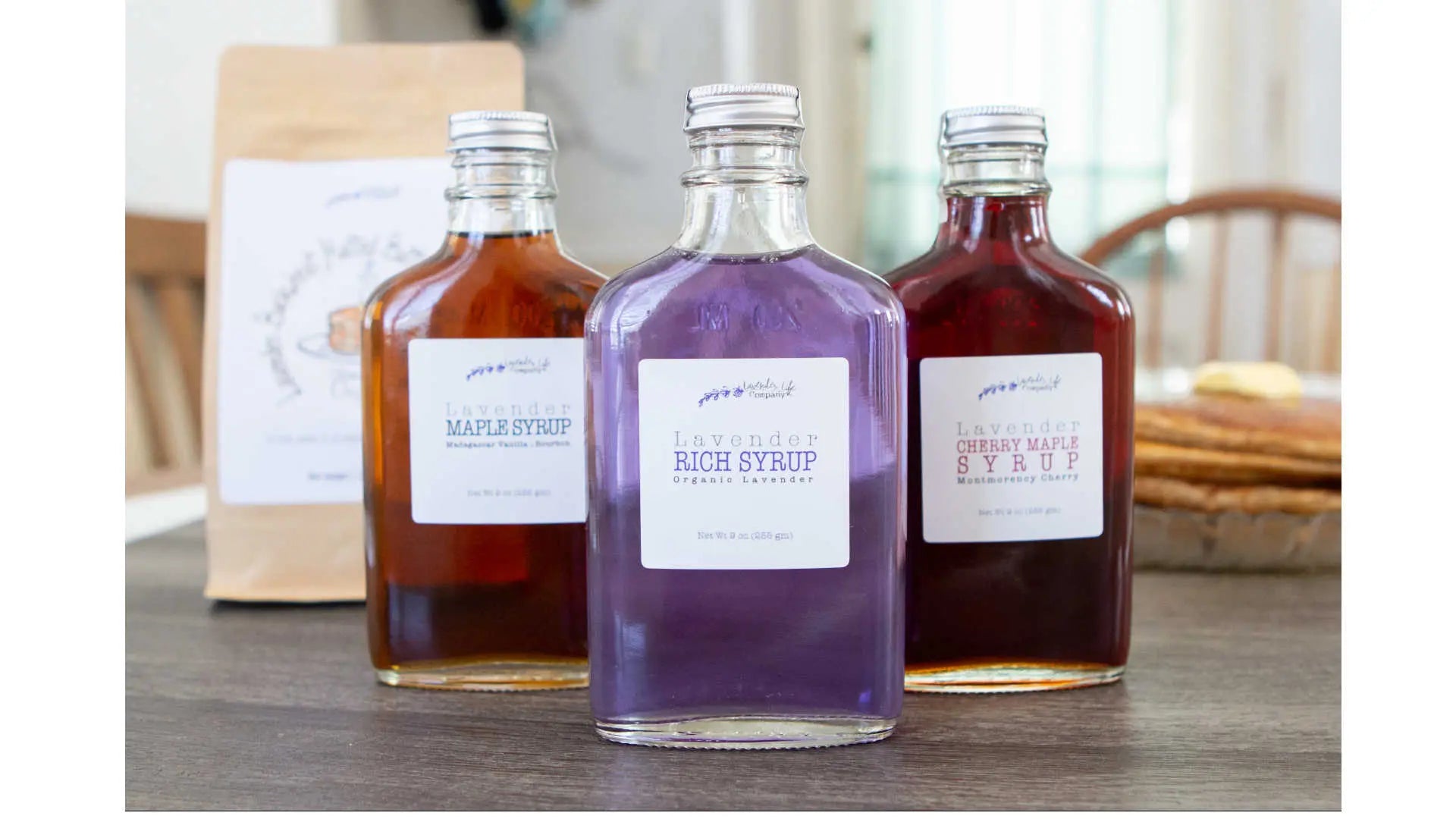
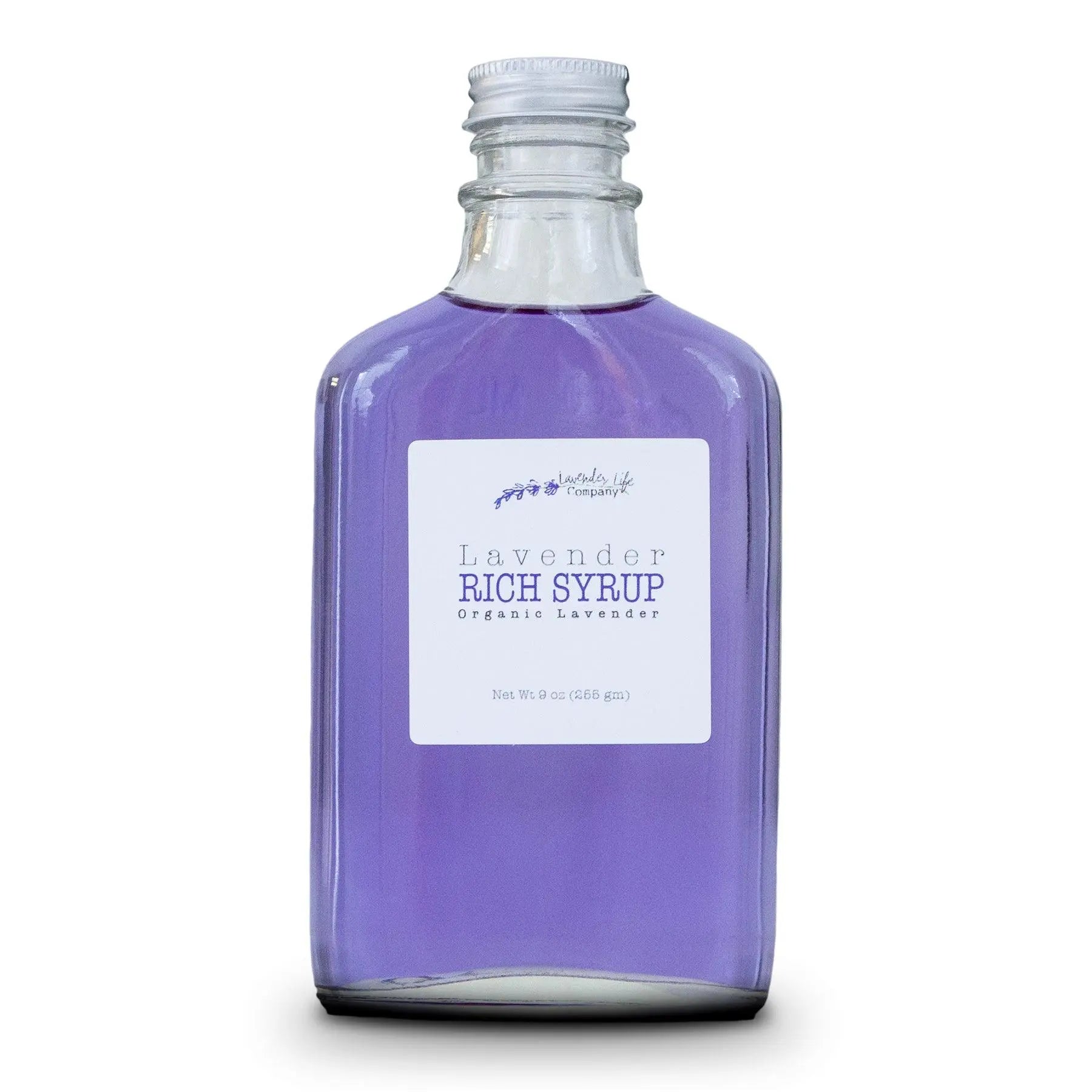
- Sweeten gently: a little honey or lavender syrup brings out the floral notes.
Make it a ritual
- London Fog: brew Earl Grey, add a spoonful of lavender syrup and steamed milk.
- Blend it: mix lavender with chamomile or lemon balm for a softer evening cup.
- Pair it: lemon shortbread, or honey on a warm biscuit.
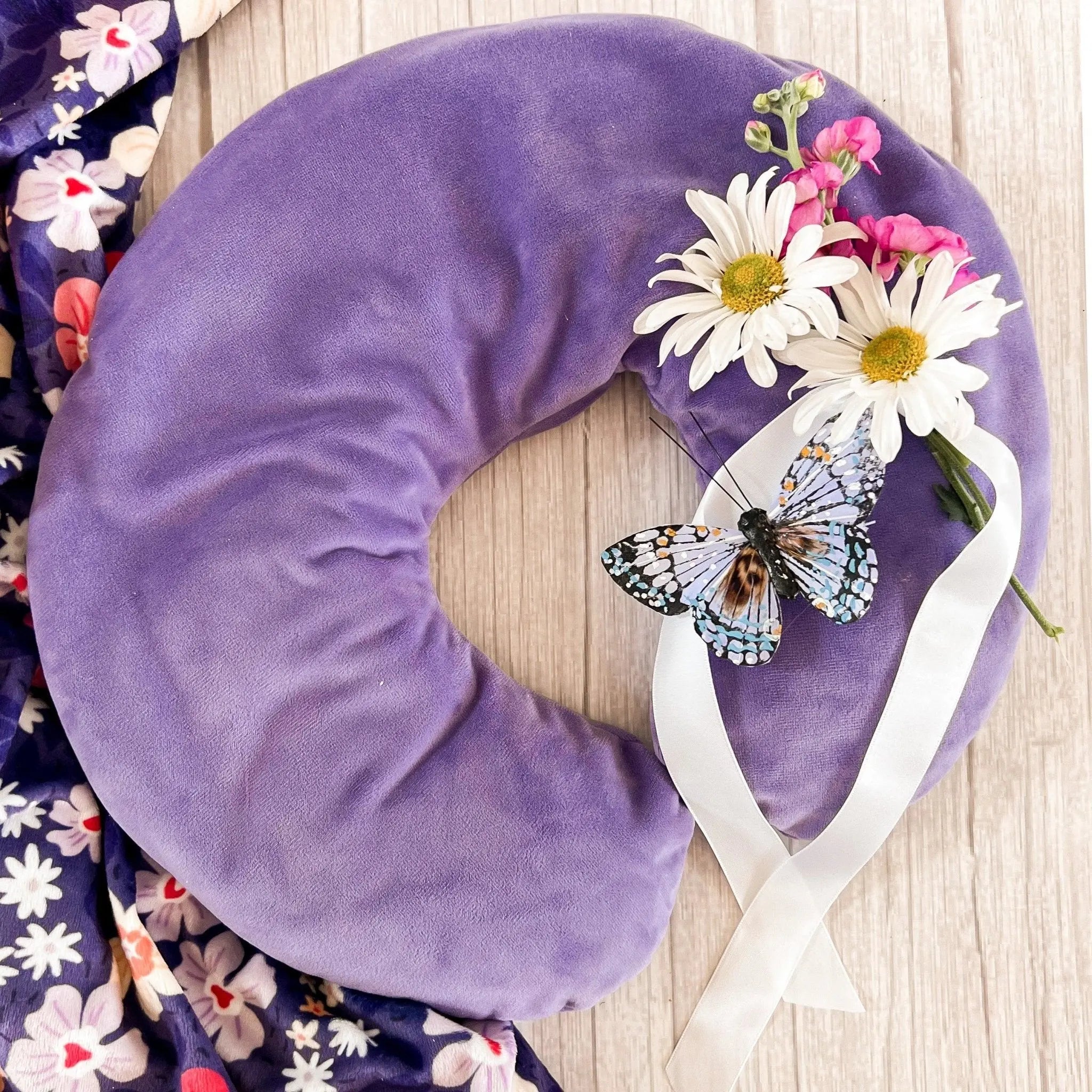
- Add warmth: a warm lavender neck wrap over your shoulders while you sip.
From our field to your cup
Our culinary lavender is English lavender grown on our family farm in West Michigan, hand-harvested at peak bloom and dried slowly to keep its color and aroma. Shop our loose-leaf teas or browse all culinary lavender.
Frequently asked questions
Does lavender tea have caffeine?
No. Pure lavender tea is an herbal infusion and is naturally caffeine-free.
Can I drink it every day?
Many people enjoy a cup or two a day. If you are pregnant, nursing, or take sedatives or other medicines, check with your doctor first.
Can I use lavender from my garden?
Only if it is English lavender (Lavandula angustifolia) and has never been sprayed with pesticides. Many garden lavenders are not meant for eating.
When is the best time to drink it?
Most people like it as part of an evening wind-down, about an hour before bed.
These statements have not been evaluated by the Food and Drug Administration. Our products are not intended to diagnose, treat, cure, or prevent any disease. Talk with your doctor about any health concerns.