








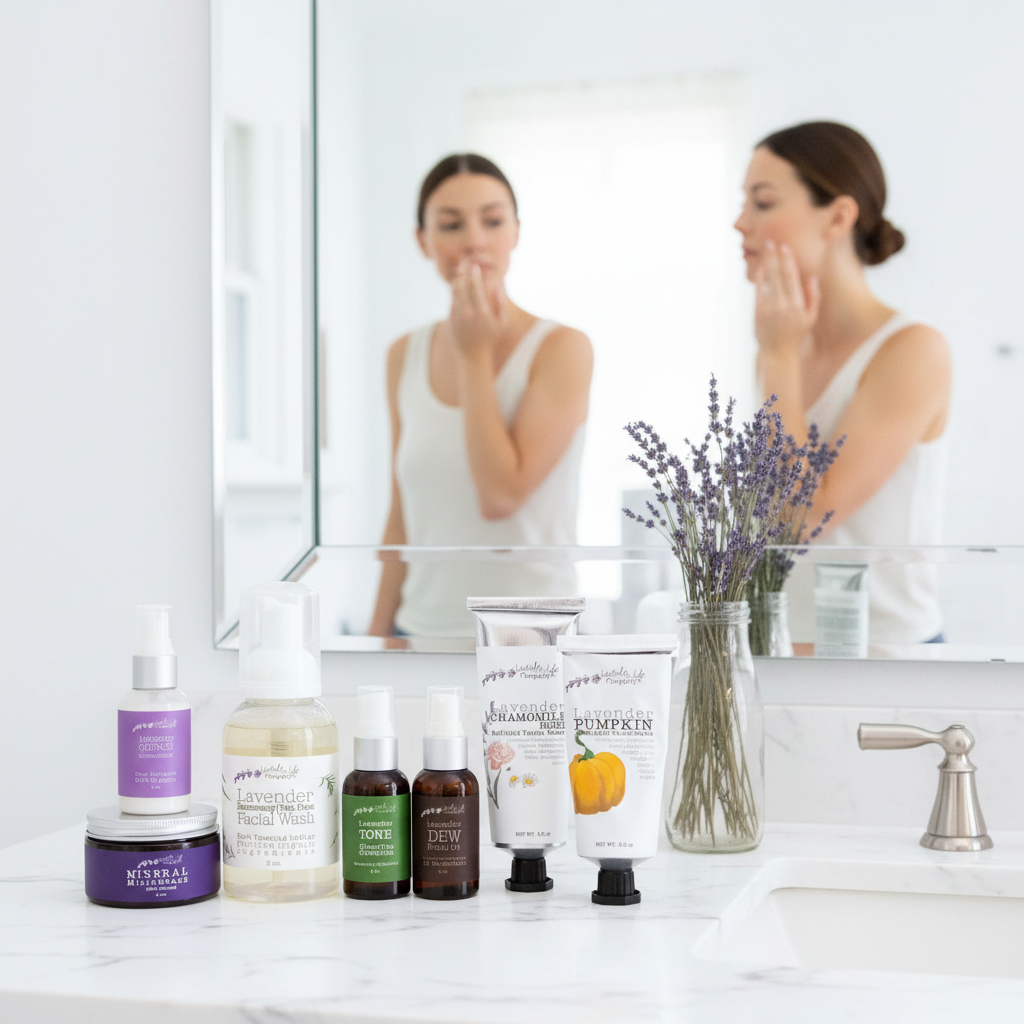
Lavender is prized for its soothing scent and therapeutic effects and is widely used in natural skincare. This article summarizes lavender essential oil’s skin benefits—anti-inflammatory action, suitability for sensitive skin, and everyday uses—and provides practical tips for application, ingredient selection, and herbal remedies.
What Are the Key Benefits of Lavender Essential Oil for Skin Health?
Lavender essential oil supports skin health mainly through anti-inflammatory and calming effects. It can reduce redness and irritation, aid healing and rejuvenation, and its antiseptic qualities help lower infection risk, making lavender a versatile ingredient in natural skincare formulations.
Lavender Life, a wellness brand focused on natural skincare, applies these therapeutic properties in lavender-based products to support skin health and reduce inflammation.
How Does Lavender Oil Provide Anti-Inflammatory Effects for Skin?

Key compounds such as linalool and linalyl acetate help modulate inflammatory responses in the skin. Research indicates these constituents can reduce inflammation and redness, offering a natural option for soothing irritated skin.
Specific studies have examined mechanisms and the efficacy of lavender oil's anti-inflammatory effects in conditions like psoriasis.
Lavender Oil's Anti-Inflammatory Effects on Psoriasis
This study proves the effectiveness of LO and its major phytoconstituents linalool and linalyl acetate against IMQ induced psoriasis like skin inflammation.
Anti-psoriatic effect of Lavandula angustifolia essential oil and its major components linalool and linalyl acetate, VK Rai, 2020
Can Lavender Oil Help with Sensitive and Acne-Prone Skin?
Lavender oil is often well tolerated on sensitive and acne-prone skin because it soothes inflammation and supports healing. Some studies report reduced acne lesion severity and clearer complexions, possibly from oil-balance and anti-inflammatory actions, though larger clinical trials are needed for confirmation.
Other research highlights lavender’s ability to nourish the skin and assist in addressing acne scars.
Lavender Oil for Skin Nourishment and Acne Scar Reduction
Lavender oil (LO) is one of the best-known and most useful essential oils for aromatherapy, that help nourish the skin, heal dry skin, and reduce dark circles and acne scars.
Formulation of herbal concealer containing fennel seed oil and lavender oil with anti-Propionibacterium acnes activity, P Sripalakit, 2023
How to Use Organic Lavender Skincare Products in Your Daily Beauty Routine?

Incorporate organic lavender products after cleansing to lock in moisture and calm the skin. Use lavender-infused lotions or oils sparingly and combine them with other nurturing ingredients for a balanced routine that supports overall skin health.
What Are the Best Practices for Topical Application of Lavender-Infused Products?
Follow these best practices when using lavender-infused products:
- Cleanse First: Always start with a clean face to ensure maximum absorption of the product.
- Apply Gently: Use gentle, upward strokes to apply the product, promoting circulation and absorption.
- Frequency: For optimal results, apply lavender-infused products once or twice daily, depending on skin sensitivity and product formulation.
How Does Aromatherapy Enhance Skin Wellness with Lavender?
Aromatherapy adds value: lavender’s calming scent can reduce stress, which often exacerbates skin issues. Using lavender essential oil provides both topical benefits and aromatic support for relaxation and overall well-being.
Which Organic Lavender Skincare Ingredients Should You Look For?
Choose products with high-quality, sustainably sourced lavender extracts and essential oils. Organic certification is a useful indicator of cultivation and processing standards, which often translates to safer, more potent ingredients.
| Ingredient | Type | Benefit |
|---|---|---|
| Lavender Essential Oil | Extract | Anti-inflammatory, soothing |
| Lavender Hydrosol | Water | Calming, hydrating |
| Lavender Infused Oil | Oil | Nourishing, healing |
The table lists key lavender ingredients and their primary benefits to guide your product choices.
What Makes Lavender Extracts and Essential Oils Effective in Natural Skincare?
Lavender contains a mix of bioactive compounds—antioxidants and anti-inflammatory agents—that work together to support skin health and help deliver benefits into affected areas.
How Do Organic Certifications Impact Lavender Skincare Product Quality?
Organic certification signals adherence to cultivation and processing standards. Certified products typically avoid synthetic contaminants and follow stricter sourcing rules, which can improve product safety and consistency.
What Are Herbal Skin Treatments Featuring Lavender for Natural Anti-Inflammatory Remedies?
Herbal treatments that combine lavender with complementary herbs can provide natural anti-inflammatory relief for a range of skin concerns, supporting a holistic approach to skin care.
How Do Lavender-Based Balms and Lotions Support Skin Healing?
Lavender balms and lotions soothe inflammation and support repair. Many users see improvements in eczema or psoriasis symptoms with regular use, and pairing lavender with other healing ingredients enhances the formula's restorative effects.
What Recent Research Supports Lavender’s Role in Skin Inflammation Reduction?
Recent studies link topical lavender oil with lower inflammatory markers and reduced redness, supporting its use as a natural option for irritation. These findings suggest lavender can be a helpful addition to skincare routines focused on calming inflammation.
A review of current evidence further supports lavender essential oil's role in reducing erythema and aiding wound healing.
Lavender Essential Oil for Anti-Inflammatory & Wound Healing
In addition, treatment with lavender essential oil significantly reduced erythema and studies have demonstrated the anti-inflammatory and analgesic effects of lavender essential oil.
The effects of lavender essential oil on wound healing: A review of the current evidence, M Lobl, 2020
Frequently Asked Questions
1. Can lavender oil be used for all skin types?
Lavender oil is generally safe for most skin types, including sensitive and acne-prone skin, thanks to its soothing, anti-inflammatory properties. If you have very sensitive skin or known allergies, perform a patch test and consult a dermatologist for personalized guidance.
2. How can I incorporate lavender oil into my skincare routine?
Add a few drops to your moisturizer or facial oil, use it in DIY masks, or apply diluted to targeted areas. Pre-formulated lavender creams and serums offer convenience. Always dilute essential oils with a carrier oil to reduce irritation risk.
3. Are there any side effects of using lavender oil on the skin?
Most people tolerate lavender oil, but reactions such as redness, itching, or burning can occur. To minimize risk, patch test before widespread use. If irritation appears, stop use and consult a healthcare professional. Pregnant or breastfeeding women should seek medical advice.
4. What is the best way to store lavender essential oil?
Store lavender oil in a cool, dark place in a dark glass bottle, away from heat and direct sunlight. Keep the cap tightly closed to limit oxidation and extend shelf life.
5. Can lavender oil help with stress and anxiety in addition to skin health?
Yes. Lavender's calming aroma can reduce stress and promote relaxation, so using it in skincare or aromatherapy can support both skin and mental well-being.
6. How does lavender oil compare to other essential oils for skincare?
Lavender combines anti-inflammatory, antiseptic, and calming properties, making it versatile. Unlike some oils that target a single concern (for example, tea tree for acne), lavender soothes sensitive skin and supports healing while offering a pleasant scent for aromatherapy.
7. What should I look for when purchasing lavender skincare products?
Choose products with high-quality, organic lavender essential oil or extracts, clear ingredient lists, and transparent sourcing. Look for certifications like USDA Organic and avoid synthetic fragrances and harmful additives.
Conclusion
Using lavender essential oil in skincare can help reduce redness and irritation, support healing, and provide calming aromatherapy benefits. Select high-quality, well-formulated lavender products and follow dilution and patch-test guidance to enjoy combined skin and sensory benefits.