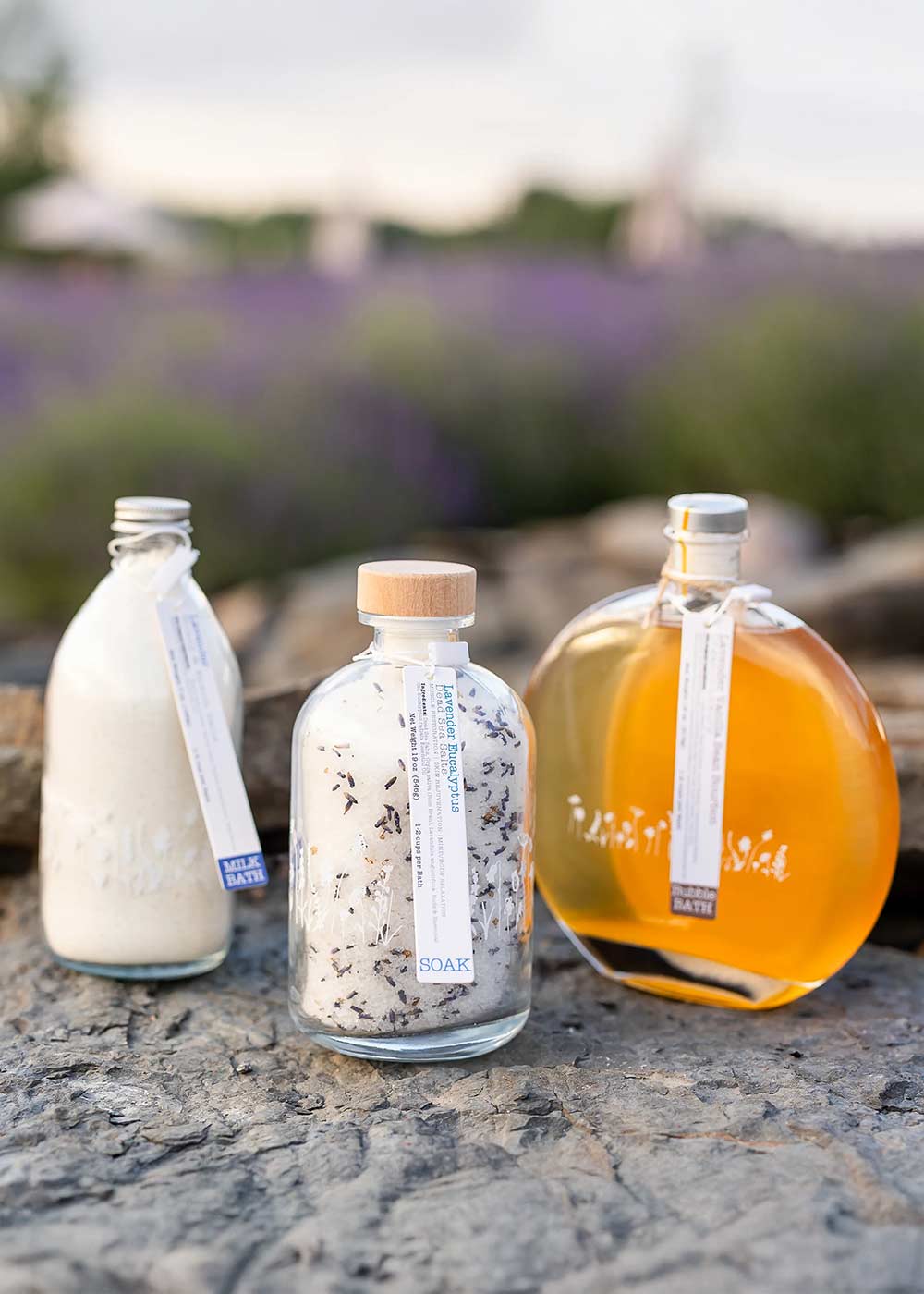








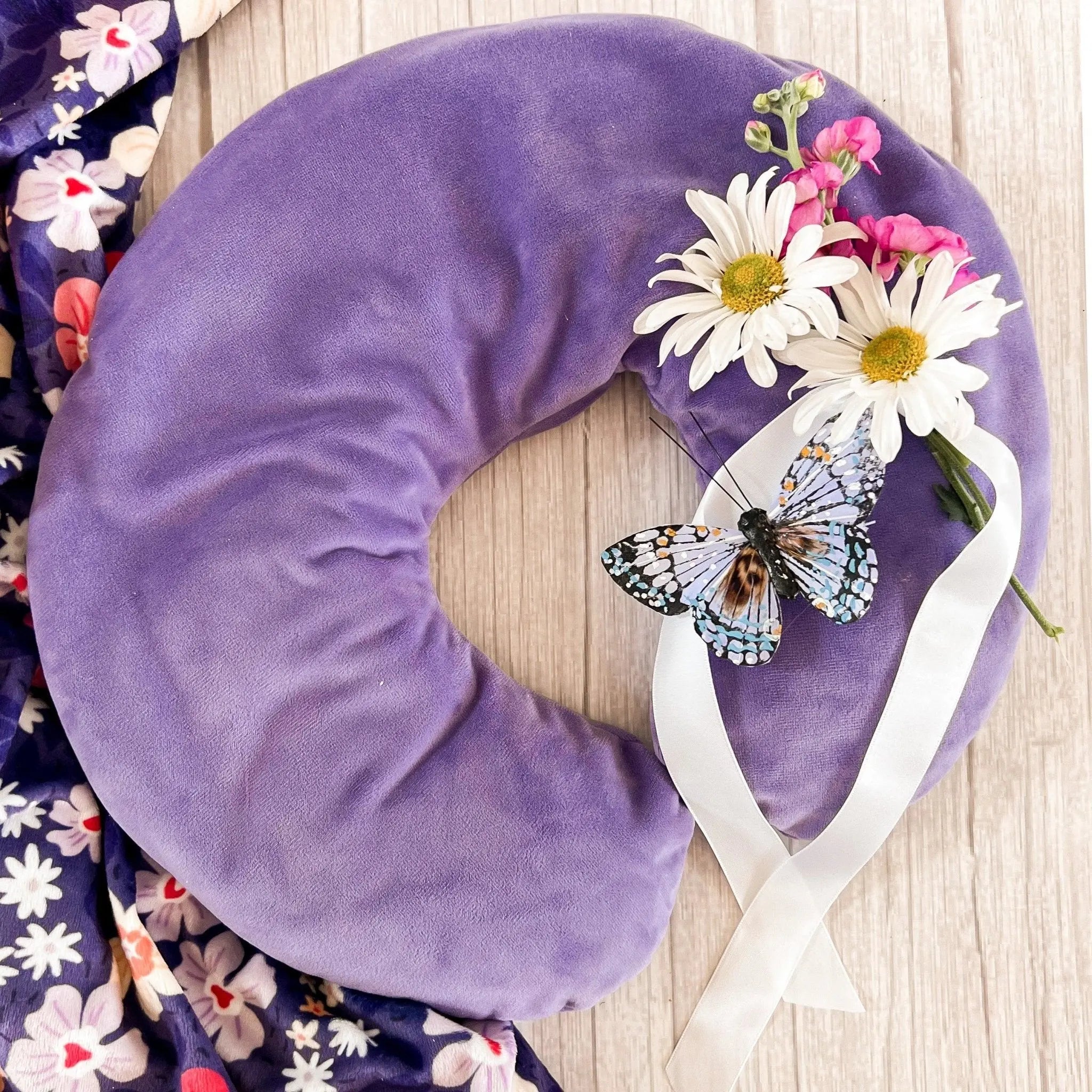

Imagine coming home on a biting 15-degree Michigan evening, your skin feeling tight, parched, and itchy from the dry heater air. You're exhausted from a long day and tired of lotions filled with 20-letter synthetic chemicals that never seem to help. It's frustrating when your own home doesn't feel like the sanctuary you need. We understand that deep craving for genuine relief and a moment of quiet, wholesome care. You deserve a milk bathroom experience that heals both your spirit and your skin without the fuss of complicated products.
Research from the Journal of Cosmetic Dermatology shows that lactic acid, a natural alpha hydroxy acid (AHA) found in milk, helps dissolve dead skin cells while deeply hydrating the new layers beneath. In this guide, you'll discover the soothing history of this ancient beauty secret and the modern science that makes it so effective for sensitive skin. We'll walk you through creating your own restorative ritual to achieve professional spa results right in your tub. By the end, you'll know exactly how to turn a simple bath into a nourishing embrace that leaves you feeling silky smooth and completely at peace.
Key Takeaways
- Learn why milk baths have been a beloved ritual since the days of Cleopatra and how they bring a sense of timeless peace to your modern self-care routine.
- Discover the science of Lactic Acid, a natural AHA that gently exfoliates while wholesome milk proteins work to soothe and repair your skin’s delicate barrier.
- Compare the nourishing benefits of whole cow’s milk and Vitamin A-rich goat’s milk to find the perfect, skin-softening base for your unique needs.
- Follow our simple, gentle steps to transform your space into a restorative milk bathroom sanctuary that invites tranquility and relief into your home.
- Explore how the physical warmth of a bath ritual fosters emotional security, helping you prepare your heart and mind for a night of deep, restful sleep.
What is a Milk Bath and Why is it a Timeless Ritual?
A milk bath is a therapeutic soak where you add liquid or powdered milk to your warm bathwater. It's a practice that feels like a warm hug for your skin. This isn't just about getting clean; it's a deliberate act of self-love that honors your body's need for rest and restoration. By choosing to step into a tub filled with nourishing ingredients, you're prioritizing your well-being in a way that's both simple and profound. It's a moment to breathe, let go of the day's weight, and embrace a sense of gentle joy.
Whether you use whole cow's milk, goat's milk, or a plant-based alternative, the goal remains the same. You're creating a soothing environment that softens the skin and calms the mind. The creamy texture of the water provides immediate relief to dry or irritated areas. It’s a wholesome, hand-crafted approach to wellness that brings the peace of the farm directly into your home.
The Legend of the Milk Bath
History tells us that Cleopatra, who ruled Egypt from 51 to 30 BC, famously bathed in fermented donkey milk to maintain a soft complexion. This wasn't merely vanity; it was an early understanding of how natural fats and acids can nurture the body. By the 1880s, milk baths became a popular wellness staple in the United States. Women during this era sought out farm-fresh ingredients to find relief from the elements. Today, we're seeing a return to these natural roots. People are moving away from harsh chemicals and returning to the comforting, time-tested wisdom of natural care.
Why Your Bathroom Needs a Ritual
Washing is a task. A ritual is an experience. There's a profound difference in how your brain processes these two activities. When you create a ritual, you're providing yourself with mental clarity and a sense of purpose. The sensory experiences of a milk bathroom signal your nervous system to transition from a state of stress to one of deep tranquility. The warmth of the water, the subtle scent of lavender, and the silky texture of the milk all work together to tell your body it's safe to relax. A milk bathroom is a sanctuary of comfort where the outside world fades away and healing begins. This dedicated space allows you to recover your strength and spirit in a nurturing environment.
- Warmth: Opens pores and relaxes tight muscles.
- Texture: Fats in the milk (ideally 3.5% or higher) coat the skin in a protective, hydrating layer.
- Scent: Natural aromatics like lavender promote better sleep and reduced anxiety.
The Science of Soothing: 4 Research-Backed Benefits
Creating a milk bathroom sanctuary is more than just a luxury; it's a gentle therapy for your skin. While the practice feels like a dream, the results are grounded in biology. Milk contains a unique blend of fats, proteins, and acids that work together to repair and protect your skin's delicate surface. By spending just 20 minutes in a warm soak, you allow these nutrients to penetrate the epidermis, offering relief that standard lotions often can't match.
Gentle Exfoliation with Lactic Acid
Lactic acid is a natural Alpha Hydroxy Acid (AHA) found in dairy. It's a quiet hero for sensitive skin. Unlike rough sugar scrubs that can cause micro-tears, lactic acid works by dissolving the protein "glue" that holds dead skin cells together. In a 1996 study published in the Journal of the American Academy of Dermatology, researchers found that a 12% lactic acid concentration significantly improved skin firmness and thickness. In your home tub, the lower concentration provides a soft, daily glow. It's a safer, more compassionate way to reveal fresh skin without the irritation of harsh chemical peels.
Deep Hydration for Dry or Itchy Skin
Dryness often happens when your skin's lipid barrier is compromised. Whole milk and coconut milk are rich in fats and proteins that fill those microscopic gaps. These fats create a breathable, protective film that locks in moisture. This is vital during winter months when indoor humidity often drops below 30%, leading to a condition called pruritus, or itchy skin. A 2015 clinical review highlighted that topical lipids can reduce water loss through the skin by up to 20%. While these soaks are wonderful for comfort, they're best used to complement your existing eczema or psoriasis treatments rather than replacing them.
For those managing sensitive skin conditions, ensuring you have the proper care products and medical supplies is also essential for a safe and soothing routine. If you're looking for a reliable source for these items, you can learn more.
The nourishment doesn't stop at hydration. Milk is packed with Vitamin A and Vitamin D, which are essential for skin cell turnover and immune function. These vitamins help the skin stay resilient against environmental stressors. Additionally, the anti-inflammatory properties of whey and casein proteins help quiet minor redness and heat. To make your milk bathroom experience even more tranquil, you might consider adding a few drops of soothing lavender oil to the water. This combination of vitamins and botanicals creates a truly restorative environment for both your body and your spirit.
- Vitamin A: Encourages healthy cell production to keep skin looking vibrant.
- Vitamin D: Supports the skin's barrier and helps manage inflammatory responses.
- Proteins: Work to smooth out rough patches and provide a silky texture.
- Fats: Act as a natural emollient to soothe "winter itch" and seasonal dryness.
Choosing Your Base: Dairy vs. Plant-Based Alternatives
Your choice of base sets the stage for a truly nurturing experience. Selecting the right ingredients for your milk bathroom ritual depends on what your skin needs most today. Whole cow's milk remains a timeless favorite because its 3.5% fat content creates a silky, protective barrier on your skin while you soak. It's a simple way to bring a touch of farm-fresh comfort to your evening routine.
If you're looking for gentle renewal, goat's milk is a lovely option. It contains high levels of Vitamin A and a pH level between 5.5 and 6.0. Since this closely matches the pH of human skin, it helps the skin absorb moisture without irritation. For those who prefer plant-based care, coconut milk offers a lush 20% healthy fat concentration, making it a vegan powerhouse for deep hydration. Oat milk is equally wonderful for sensitive souls. Clinical research shows that the beta-glucans in oats can improve skin moisture levels by 15% after just one application, making it the gold standard for soothing redness.

Powdered vs. Liquid Milk
Powdered milk is a practical choice for many homes. It stays fresh for up to 1 year in your pantry and blends beautifully with Epsom salts for a custom mix. Fresh milk is a pure, immediate option. Use 2 to 4 cups of liquid milk for a standard tub to achieve that classic, opaque look. If your skin feels particularly dull, try using buttermilk. It has a significantly higher concentration of lactic acid than standard milk, which helps whisk away dry skin cells more effectively.
Infusing with Lavender and Essential Oils
Lavender is the soul of a peaceful soak. It helps quiet the mind and brings a sense of hope to your self-care time. Safety is key when using oils. Always stir 5 to 10 drops of your essential oil into the milk before pouring it into the water. This ensures the oils distribute evenly rather than floating in concentrated droplets on the surface. For a beautiful, farm-to-bath touch, sprinkle 2 tablespoons of dried lavender buds across the water. It creates a visual sanctuary that smells like a summer afternoon in Michigan.
Creating a milk bathroom isn't just about the physical benefits. It's about taking a moment to breathe and feel cared for. Whether you choose the richness of dairy or the gentle touch of plants, you're crafting a space for genuine relief and rest.
How to Create the Perfect Milk Bath at Home
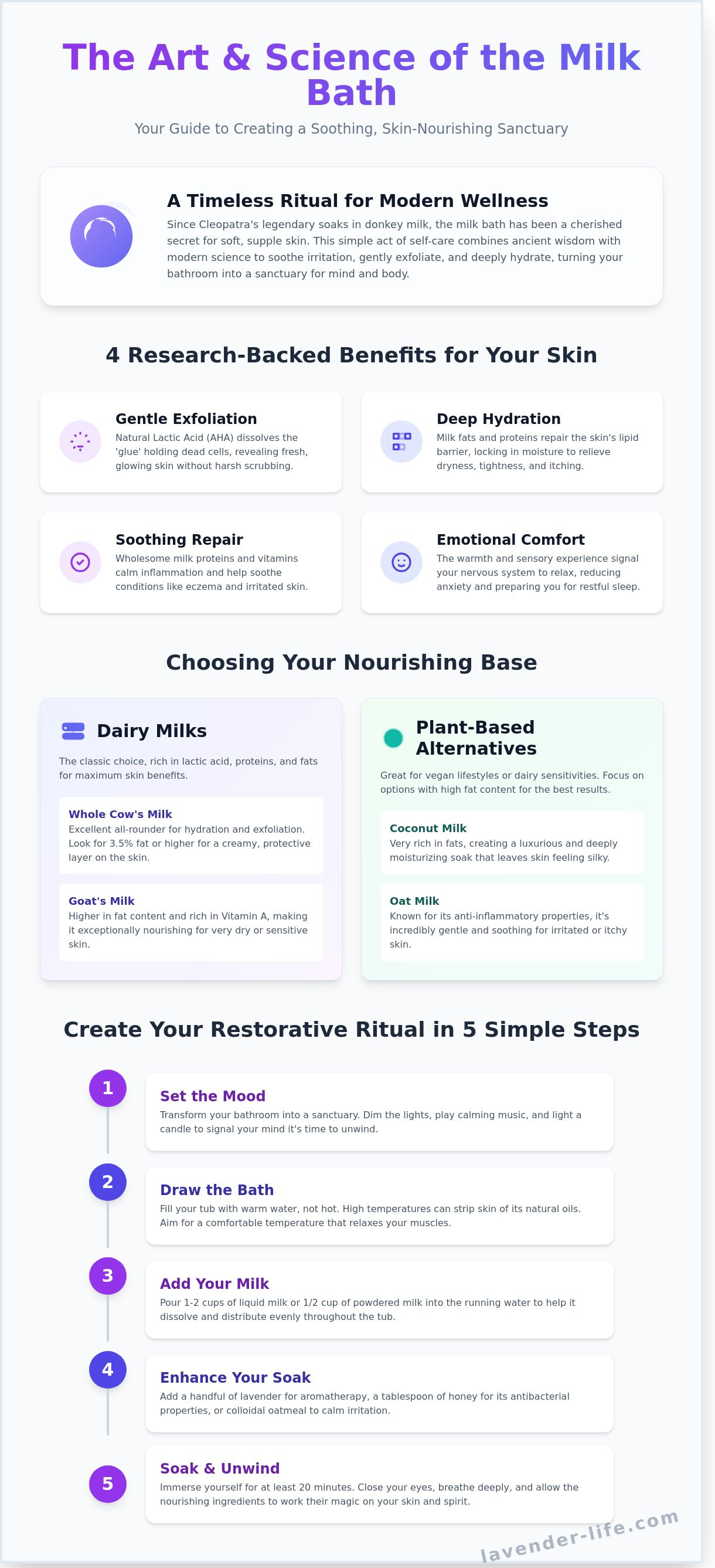
Setting up your ritual takes just a few thoughtful steps to ensure your body receives the full embrace of the ingredients. First, fill your tub with warm water. Avoid high heat; water above 102 degrees Fahrenheit can strip away the natural oils your skin needs to stay supple and protected. As the water flows, pour in 1 to 2 cups of your preferred milk base. This creates the cloudy, nourishing environment essential for a true milk bathroom experience that feels both indulgent and restorative.
Next, stir in a tablespoon of raw honey for its natural humectant properties or half a cup of Epsom salts to ease tired muscles. Adding five drops of hand-crafted lavender essential oil will fill the room with a scent that whispers of our Michigan farm. Step into the tub and let the water cradle you for 15 to 20 minutes. This specific window allows the lactic acid, a natural alpha-hydroxy acid (AHA), to gently dissolve dead skin cells without causing any irritation. Finally, rinse with a quick splash of fresh water and pat your skin dry with a soft towel. Don't rub the skin; leave a little moisture on the surface to help your lotion sink in later.
Temperature and Timing Essentials
Excessive heat is the enemy of hydration. When water is too hot, it disrupts the skin's protective lipid barrier, which often leads to redness and itchy dryness. Aim for a sweet spot between 98 and 100 degrees Fahrenheit. This temperature mimics the body's natural state, promoting deep relaxation without stress. While the tub fills, dim the lights and light a few beeswax candles. Soft music or the simple sound of the water helps transform your space into a quiet haven of peace.
Post-Bath Care for Lasting Softness
The most critical moment for your skin happens right after you step out of the tub. You have a three-minute window to seal in the benefits of the soak before the moisture evaporates. Apply a rich, lavender-infused lotion while your skin is still slightly damp. This timing ensures the hydration stays trapped in the upper layers of the dermis for hours. A calm body and the lingering scent of lavender prepare your mind for a deep, restorative rest. Research into evening wellness routines suggests that this type of gentle transition from the milk bathroom to your bed can help you fall asleep 15% faster than on nights without a ritual.
Experience the calming power of the farm by exploring our hand-crafted lavender oils to enhance your next bath ritual.
Extending the Comfort: Beyond the Bathroom
Stepping out of your milk bathroom sanctuary doesn't mean the peace has to end. A 2019 study published in Sleep Medicine Reviews found that bathing in water between 104 and 109 degrees Fahrenheit for as little as 10 minutes helps people fall asleep 36% faster. This physical warmth mimics the feeling of emotional security; it signals to your nervous system that you're safe and cared for. When you preserve that warmth after the water drains, you carry that sense of sanctuary into your sleep. It's a way of preparing your heart for a restful evening, ensuring the day's stresses don't follow you under the covers.
Nurturing Your Skin Daily
While a full ritual is a beautiful weekly treat, your skin deserves gentle care every morning and night. Transitioning from a soak to daily cleansing with our handmade lavender soaps helps maintain the hydration benefits of your bath. These soaps use farm-crafted ingredients from our Michigan fields. Natural oils preserve your skin's moisture barrier better than synthetic detergents found in 80% of commercial cleansers. Choosing pure, plant-based ingredients ensures your skin stays soft and resilient between your deeper rituals.
The Ultimate Cozy Conclusion
To finish your evening, pair your post-bath relaxation with a heatable comfort item. Our Xander Bunny can be warmed to provide targeted relief to tired muscles. The scent of lavender continues to soothe your senses long after you've left the tub. This isn't just about luxury; it's about a larger purpose. Since 2016, we've focused on the 391,000 children in the U.S. foster care system. For every Xander Bunny you purchase, we donate one to a child in crisis. A milk bath is a small act of kindness to yourself that provides hope to a child who needs it most.
- Retain the Heat: Wrap yourself in a warm robe immediately to keep your core temperature steady.
- Scent the Air: Use a lavender mist on your linens to extend the aromatherapy benefits.
- Share the Love: Remember that your self-care journey supports a child's comfort through the Xander mission.
Creating a milk bathroom experience is the first step in a lifestyle of compassion. By choosing to nurture yourself, you gain the emotional energy to care for others. It is a gentle cycle of love, starting in your home and reaching into the lives of children across the country.
Embrace Your New Evening Ritual
Your journey toward a more peaceful home starts with a single, warm soak. By incorporating the 4 research-backed benefits of lactic acid and essential oils into your routine, you're choosing a timeless ritual that nourishes both skin and soul. Whether you select traditional dairy or a creamy plant-based alternative, your milk bathroom experience becomes a sanctuary of relief. These small moments of self-care provide the calm you need to face tomorrow with a refreshed spirit.
We invite you to extend this tranquility with products rooted in sincerity and purpose. Our farm-to-home collection is hand-crafted with 100% pure lavender essential oil to ensure your relaxation is as authentic as it's deep. Every single purchase you make directly supports a child in foster care, bringing a sense of hope to those who need it most. When you choose our Michigan-made treasures, you're not just buying soap; you're joining a community of care. It's time to let the stress of the day melt away in the water.
Bring the Lavender Life Farm to your bathroom with our handcrafted soaps and oils
You deserve this gentle joy every single day.
Frequently Asked Questions
Is a milk bath safe for everyone, including children?
Milk baths are safe for most skin types, including children over 6 months old. The soothing proteins and fats provide a gentle touch for sensitive young skin. However, if you or your little one has a known dairy allergy, you should avoid bovine milk to prevent a reaction. Research from the Mayo Clinic suggests testing a small patch of skin first to ensure 100% comfort and safety for your family.
Can I use expired milk for a milk bath?
You can use milk that's slightly past its "best by" date as long as it doesn't smell foul or look chunky. Milk that's 2 to 3 days past its prime actually contains higher levels of lactic acid. This natural alpha-hydroxy acid helps gently dissolve dead skin cells. It's a wholesome way to reduce waste while giving your skin a nurturing treat that feels like a warm hug from the farm.
Will a milk bath make my bathroom smell like sour milk?
Your milk bathroom sanctuary won't smell like sour milk if you follow a simple cleaning routine. Adding 5 to 10 drops of lavender essential oil to the water masks the scent of the milk during your soak. Once you finish, rinse the tub immediately with warm water. This 2 minute cleanup ensures your sanctuary stays fresh and inviting for your next moment of peace and tranquility.
How often should I take a milk bath to see results?
Taking a milk bath 1 or 2 times per week is the ideal frequency for most people. A 2021 study on skin hydration showed that regular soaking helps maintain the lipid barrier. You'll likely feel a difference in skin softness after just 1 session. Consistent weekly rituals provide the best long term relief for dry or itchy patches, keeping your skin feeling supple and loved.
Is it better to use whole milk or skim milk for skin benefits?
Whole milk is the superior choice because it contains 3.25% milk fat, which deeply nourishes the skin. Skim milk lacks these essential fats and fat soluble vitamins like Vitamin A and D. These nutrients are vital for repairing the skin's surface. Choosing full fat options ensures your body receives the most comforting and moisturizing experience possible during your quiet time.
Do I need to shower after taking a milk bath?
Yes, you should always give your body a quick rinse with fresh water after your soak. Leaving milk residue on the skin can lead to a sticky feeling or a faint odor once it dries. A 30 second rinse removes excess sugars while keeping the beneficial minerals locked in. It's the final step in your journey to feeling completely refreshed, clean, and ready for a cozy night's sleep.
What is the best plant-based milk for a vegan milk bath?
Coconut milk is the best plant based alternative because it has a high fat content of about 20%. This makes it incredibly creamy and soothing for those seeking a vegan ritual. Almond milk is another lovely option, providing Vitamin E to protect the skin. Both choices offer a compassionate way to enjoy a relaxing milk bathroom experience without using animal products, staying true to a gentle lifestyle.
Can a milk bath help with a sunburn?
A cool milk bath provides immediate relief for sun scorched skin by reducing inflammation and heat. The proteins in the milk create a protective film that helps the skin retain moisture. According to dermatological studies from 2020, the lactic acid also aids in the gentle shedding of damaged cells. It's a tender, natural way to bring hope and healing to painful burns after a day spent outdoors.