







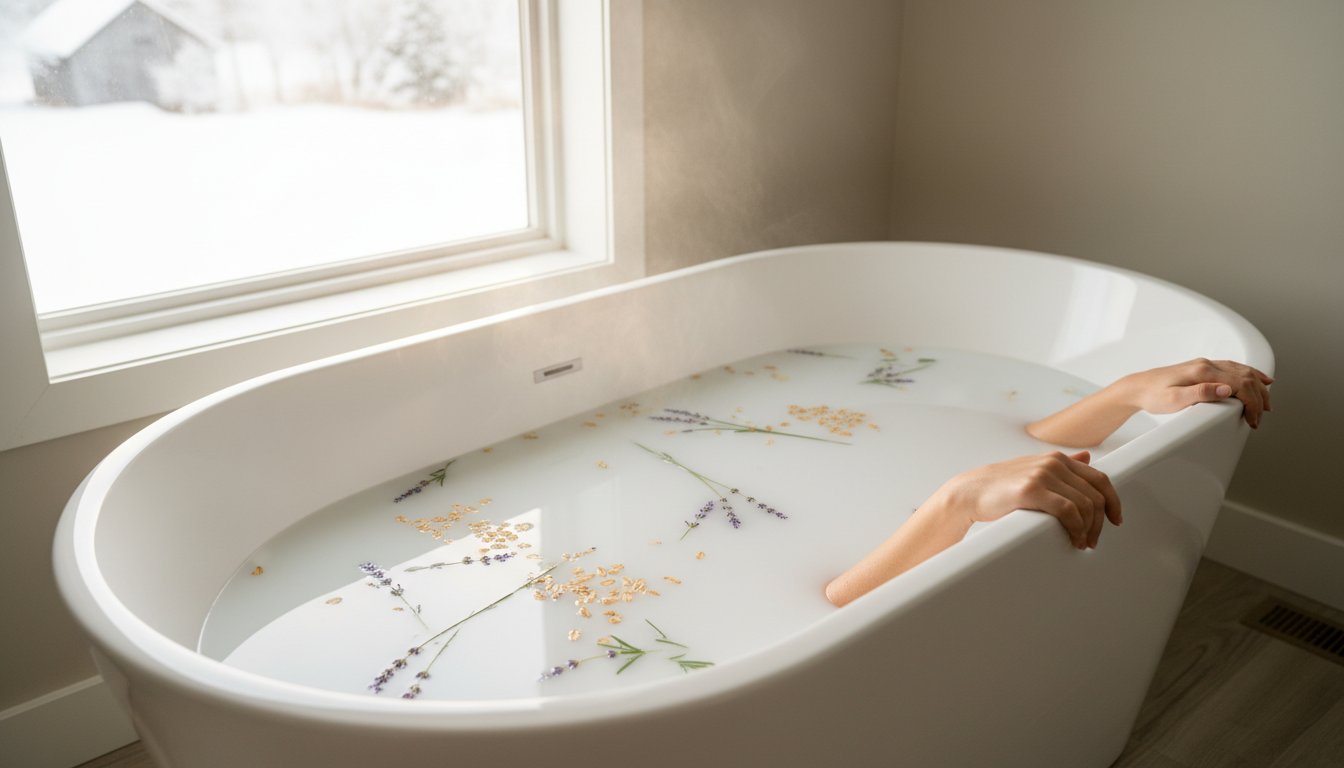
Last January, a mother in Michigan sat by her window watching the frost crawl across the glass while her skin felt tight and itchy from the biting 10 degree wind. She didn't want a tub full of synthetic fragrances or harsh chemicals that might irritate her family's sensitive skin. Instead, she turned to a timeless, nurturing ritual: the milk bath. You've likely felt that same winter weariness, where your body craves deep hydration and your mind needs a quiet place to land after a stressful day. It's hard to find products that are truly gentle, but you know that nature often holds the most comforting answers.
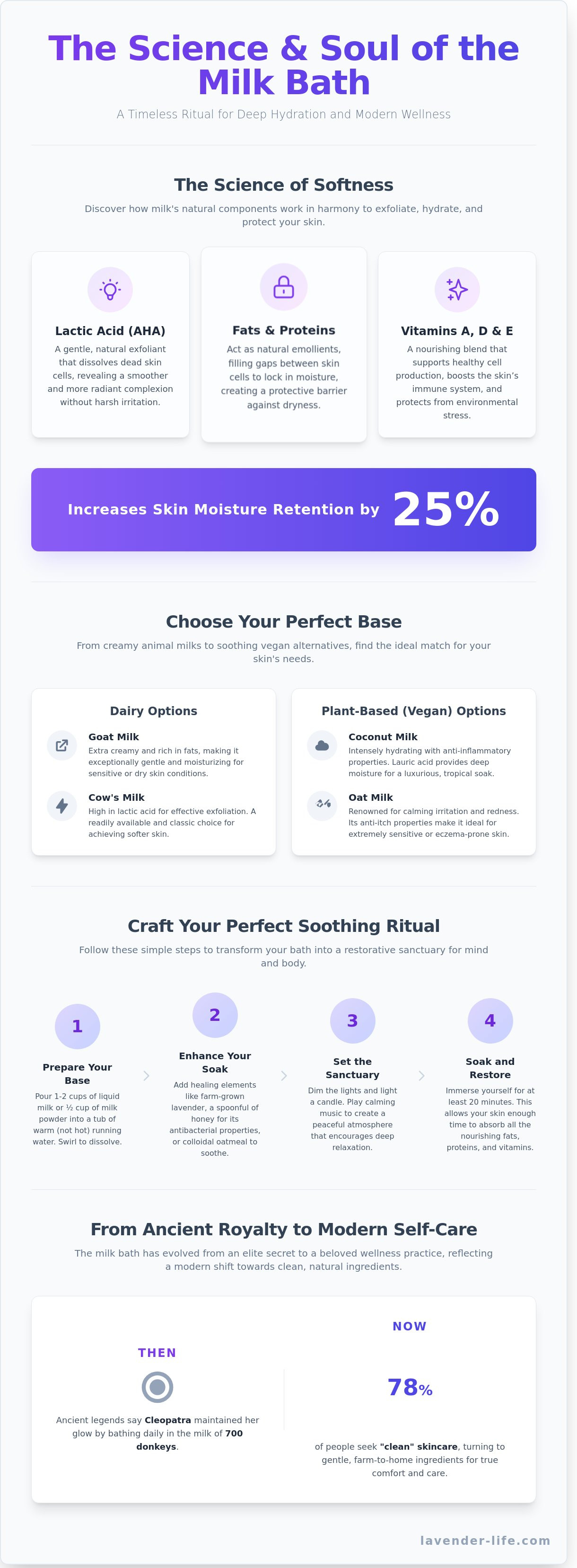
In this guide, you'll discover how to transform your bath into a skin-softening sanctuary using the science and soul of milk-based rituals. A 2023 report on dermatological wellness showed that the lactic acid in milk can help dissolve dead skin cells while increasing moisture retention by 25 percent. We'll walk through hand-crafted recipes and peaceful rituals for 2026 that bring the warmth of the farm directly to your home. From soothing dry patches to finding a moment of deep, maternal calm, you're about to learn everything needed for a restorative soak that the whole family will love.
Key Takeaways
- Journey back through time to discover how ancient royalty used soothing baths to cultivate radiance and deep relaxation.
- Learn the gentle science behind how natural AHAs and healthy fats work together to dissolve dry skin and lock in lasting moisture.
- Explore the best ways to choose your perfect base, from creamy goat milk to skin-soothing vegan alternatives like coconut and oat.
- Master the art of the perfect milk bath by finding the ideal ratio of ingredients and creating a peaceful sanctuary in your own home.
- Discover how to infuse your self-care routine with the healing synergy of farm-grown lavender and creamy nutrients for a sense of true comfort and hope.
What is a Milk Bath? Rediscovering an Ancient Ritual of Comfort
A milk bath is a simple, nurturing act of pouring liquid milk or concentrated milk powder into warm bath water. This practice creates a creamy, opaque soak that feels like a soft embrace for your skin. While it might seem like a modern luxury, it's actually a timeless way to care for your body. The fats and proteins in the milk work to hydrate your skin while the lactic acid gently clears away dead cells. It's a wholesome ritual that turns a routine bath into a moment of deep, quiet relief.
In 2026, we see a beautiful shift back to these gentle, farm-to-home ingredients. As 78% of people now seek out "clean" skincare options according to recent wellness industry reports, the humble milk bath has regained its place in our homes. It offers a path away from harsh chemicals and back toward the soothing power of nature. This ritual isn't just about cleaning your skin; it's about finding a sense of peace in a busy world.
The Historical Roots of Milky Soaks
The history of milk baths stretches back to ancient Egypt, where legends say Cleopatra (69-30 BC) maintained her famous glow by bathing in donkey milk. It took 700 donkeys to provide enough for her daily ritual. By the 19th century, American home journals were sharing recipes for "tinctures" and milky washes to soothe sun-drenched skin. What was once a secret for the elite has become an accessible way for anyone to bring a little bit of extra love into their bathroom.
The Emotional Appeal: Beyond Just Skincare
There is something deeply maternal about the scent and texture of milk. It evokes feelings of safety and being cared for. When you sink into the warm, cloudy water, your mind begins to quiet down. This is the heart of "slow-living" in the home. It's a dedicated 20 minutes where you don't have to be anything for anyone else. You're simply resting in a space of tranquility and warmth.
- Safety: The opaque water provides a sense of privacy and comfort.
- Nurturing: Rich fats in the milk leave a protective layer on the skin.
- Calm: The ritual encourages deep breathing and presence.
Choosing a milk bath is an act of hope and self-compassion. It's a way to tell yourself that you're worth the time it takes to heal and rest. Whether you use fresh milk from the fridge or a hand-crafted powder infused with lavender, you're participating in a tradition of comfort that has lasted for thousands of years.
The Science of Softness: How Milk Benefits Your Skin
Milk is much more than a simple kitchen staple; it's a centuries-old secret for achieving a velvety, glowing complexion. When you step into a warm milk bath, you're surrounding your body with a complex blend of fats, proteins, and vitamins that work in harmony to repair your skin's delicate barrier. These fats act as natural emollients. They fill in the tiny gaps between skin cells, which helps lock in hydration and creates a protective seal against the environment. This is why your skin feels immediately smoother and more supple after a soak.
The nutritional profile of milk provides deep nourishment that goes beyond the surface. A 2021 clinical review noted that topical application of milk nutrients can significantly improve the skin's resilience. The vitamins found in milk play specific roles in maintaining your glow:
- Vitamin A: This nutrient supports healthy cell production and helps keep the skin's surface firm and clear.
- Vitamin D: It plays a vital role in skin cell growth and helps optimize the skin's natural immune system.
- Vitamin E: A natural antioxidant that protects against environmental stressors and helps the skin retain its natural oils.
Lactic Acid: Nature’s Gentlest Exfoliator
Lactic acid is a mild AHA that encourages cell turnover. Unlike synthetic chemical peels that can leave your skin red or stinging, the lactic acid found in milk works at a slower, kinder pace. It dissolves the "glue" holding dead skin cells together without the need for abrasive scrubbing. This process reveals the fresh, bright skin hidden underneath. If you're looking for a simple milk bath recipe, you'll find that even a few cups of whole milk provide enough lactic acid to notice a difference in texture. It's a wholesome way to brighten your skin while you rest.
Soothing Common Skin Concerns
For those struggling with sensitive skin, milk provides a sanctuary of relief. Research often highlights how milk proteins calm pruritus, which is the medical term for the uncomfortable itching associated with extreme dryness. These proteins create a soothing film that reduces redness and irritation from minor sunburns or harsh Michigan windburn. Milk is a wonderful alternative for people who find modern, fragrance-heavy soaps too aggressive. It offers a pure, compassionate way to cleanse. You might find that adding a hand-crafted lavender sachet to your soak enhances this nurturing experience, bringing extra peace to your evening routine.
Choosing Your Base: Liquid, Powder, and Plant-Based Options
Selecting the right foundation for your milk bath depends on your skin's unique needs and your personal wellness goals. It's about finding what feels best for your body. Whether you prefer a traditional creamy texture or a gentle plant-based alternative, each option offers distinct healing properties to help you feel comforted and renewed.
Animal-Based Milks: The Traditional Choice
Goat milk is a gentle favorite because its pH level typically sits between 5.1 and 5.4. This range closely matches human skin, which helps prevent irritation and keeps the moisture barrier intact. It contains approximately 3.6% butterfat. This high fat content provides a deep, nourishing layer of hydration. Buttermilk is another wonderful option for those seeking a soft glow. It contains 3% to 4% more lactic acid than standard cow's milk. This natural alpha-hydroxy acid gently dissolves dead skin cells to reveal smoother skin underneath. When sourcing these milks, look for local, organic, grass-fed options to ensure you're using the purest ingredients possible.
Plant-Based Alternatives for Vegan Wellness
Coconut milk is a rich, vegan alternative that brings a tropical sense of calm to your tub. It's packed with Vitamin C and copper, which are essential for maintaining skin elasticity. For those with sensitive or itchy skin, oat milk is a soothing miracle. It's high in beta-glucans, which are sugar molecules that bind to the skin to create a protective, hydrating film. Research published in the Journal of Drugs in Dermatology highlights that these compounds are effective at reducing redness and inflammation. Almond milk provides a lighter, non-greasy moisturizing layer rich in Vitamin E. It's perfect for a quick soak that leaves you feeling silky but not heavy.
Practicality also plays a role in your choice. Powdered milk is often the most convenient option for a frequent milk bath. It has a shelf life of 12 to 18 months when kept in a dry cupboard. Fresh liquid milk is lovely but only lasts about 5 to 7 days in the refrigerator. For new mothers, breast milk is often called "liquid gold" for a reason. Clinical observations suggest that adding enough to make the water cloudy, or roughly a 10% concentration, can help soothe infant eczema and minor skin irritations. It's a beautiful way to share a moment of comfort with your little one while protecting their delicate skin.
Step-by-Step: Crafting Your Perfect Soothing Milk Bath Ritual
Creating a sanctuary at home starts with a gentle intention. You deserve a moment of pure comfort after a long day. A milk bath is a beautiful way to wrap your skin in a blanket of nutrients while quieting your mind. To begin, dim the lights or light a few beeswax candles. This simple act signals your nervous system that it's time to rest. We believe every home should feel like a haven. At our Michigan farm, we see how nature provides everything needed for peace. When you prepare your milk bath, you're participating in a ritual that has offered relief for generations.

The Perfect Milk Bath Recipe
Follow these simple steps to prepare your nourishing soak. Precision helps ensure your skin receives the full benefits of the proteins and vitamins found in the milk. Using the right temperature is the secret to a successful experience.
- Step 1: Fill your tub with warm water. Aim for approximately 98.6 degrees Fahrenheit. Research from the Journal of Physiological Anthropology indicates this specific temperature supports relaxation without stripping your skin of its natural, protective oils.
- Step 2: Add 1 to 2 cups of full-fat liquid milk or 1/2 cup of high-quality powdered milk. The fats and proteins are essential for moisturizing dry patches and soothing irritation.
- Step 3: Stir in natural additives. Add 1/4 cup of organic honey for its natural humectant properties. You can also toss in a handful of culinary lavender for a gentle, farm-fresh scent.
Enhancing the Sensory Experience
Your environment matters as much as the ingredients you choose. Adding 5 to 8 drops of lavender essential oil can deepen your relaxation. A 2013 study published in Evidence-Based Complementary and Alternative Medicine found that lavender aromatherapy significantly improved sleep quality for 80 percent of participants. Use this time for a digital detox. Leave your phone in another room to let your mind wander freely. Let yourself soak for exactly 20 minutes. This duration allows the lactic acid to gently exfoliate your skin without causing over-hydration. When you finish, rinse your body with lukewarm water. This removes any excess residue while keeping the moisture locked in. Pat your skin dry with a soft towel to keep that cozy feeling alive.
Ready to transform your evening into a moment of tranquility? You can bring the farm home with our hand-crafted lavender essentials designed to provide you with lasting comfort and hope.
The Lavender Life Approach: Comfort, Hope, and Natural Care
At Lavender Life Company, we believe wellness shouldn't be complicated or clinical. It should feel like a warm hug. Our farm-to-home philosophy ensures that every product we create serves a dual purpose: soothing your body and uplifting a child's spirit. When you prepare a milk bath, you're not just practicing skin care; you're creating a moment of intentional peace. We've found that the synergy between creamy milk proteins and our farm-grown lavender creates a therapeutic environment that calms the nervous system. This ritual becomes a bridge between your personal health and a much larger mission of compassion. It's a simple act with a profound reach.
Hand-Crafted Wellness from Our Farm
Every ingredient we use is chosen with a mother's care. We grow our lavender right here in Michigan, tending to the plants with natural methods to ensure the highest purity. We don't use harsh chemicals or synthetic fillers because we know these products touch the most precious members of your family. Research from the Journal of Food and Drug Analysis in 2013 highlights how lavender oil helps reduce anxiety and improve sleep quality. We infuse that science into every hand-crafted batch. Our goal is to provide gentle, nurturing relief for everyone, from tired parents to little ones with sensitive skin.
- Pure Michigan Lavender: Grown with love and harvested at peak potency for maximum relaxation.
- Wholesome Ingredients: We prioritize plant-based, non-toxic components in every soak.
- Family First: Every formula is tested to be safe and gentle for all ages and skin types.
A Purchase with Purpose
Your self-care routine has the power to change a life. For every Xander Bunny or qualifying product you purchase, we provide a soft, lavender-scented Xander Bunny to a child in foster care. According to 2021 AFCARS data, there are over 391,000 children in the U.S. foster system. Many of these children move between homes with very few personal belongings. A milk bath ritual using our products helps fund this mission, ensuring these precious children feel seen and loved during their most difficult transitions. It's about more than just bubbles; it's about providing hope when it's needed most.
We invite you to explore our bath and body collection to find the perfect blend for your next evening ritual. Join our Xander Community and make your wellness journey part of a larger story. Your comfort today provides a child's hope tomorrow.
Begin Your Journey to Soothing Serenity
Your path toward softer skin and a calmer mind starts with a single warm soak. Research from the American Academy of Dermatology highlights how lactic acid works to gently exfoliate, while a 2018 study on hydrotherapy confirms that consistent bathing rituals help reduce cortisol levels. By choosing a nutrient-rich base like coconut or whole milk, you're giving your body a 20-minute window of pure restoration. Every milk bath becomes a personal sanctuary when you add the soothing scent of hand-crafted botanicals.
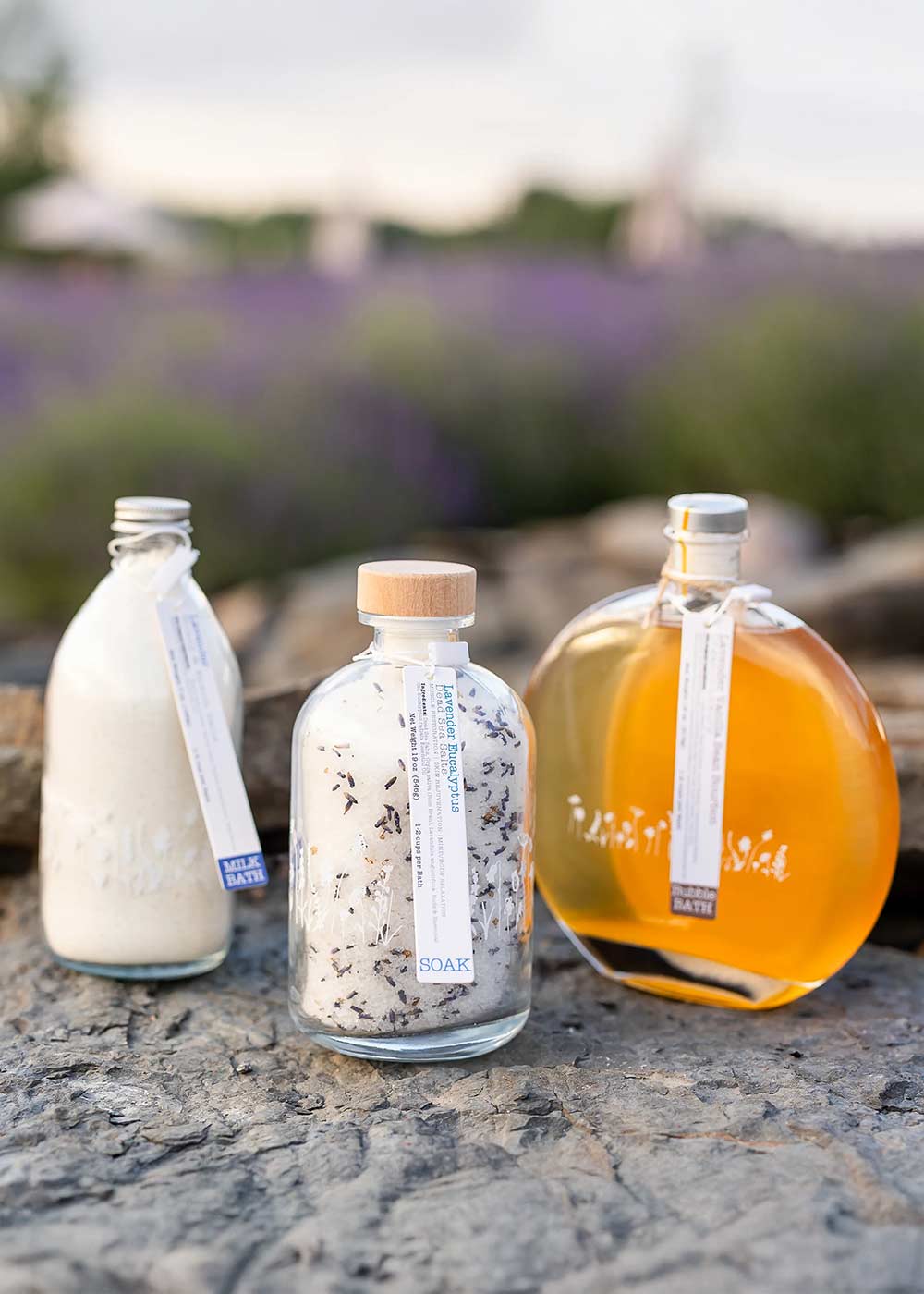
At Lavender Life, we believe self-care should extend beyond your bathroom door. Our products are hand-crafted in Michigan using 100% pure lavender oil to ensure your skin receives the highest quality care. Our website features square-format product images to provide visual inspiration for your own home spa setup. When you choose our farm-to-home essentials, you're joining the Xander Community. Every purchase supports a child in foster care, ensuring they feel the same comfort and hope you do during your quiet moments. It's a beautiful way to care for yourself while providing relief to a child in crisis.
Bring the farm-to-home comfort of lavender to your next bath
You deserve this moment of tranquility and the knowledge that your wellness journey is making a real difference in the world.
Frequently Asked Questions
Is a milk bath safe for people with sensitive skin or eczema?
A milk bath is a gentle way to soothe sensitive skin because the lactic acid acts as a mild exfoliant without irritation. Research from the American Academy of Dermatology suggests that fats and proteins in milk help calm inflammation and redness. If you have eczema, a 15 minute soak can provide much needed relief from itching. Always test a small patch of skin first to ensure you don't have a specific dairy allergy.
Can I use expired milk for a milk bath?
You can use milk that is 3 to 5 days past its expiration date as long as it doesn't have a strong, sour odor. Slightly turned milk actually contains higher levels of lactic acid, which helps dissolve dead skin cells more effectively than fresh milk. If the milk has become chunky or smells rancid, it's best to compost it instead. Your skin will appreciate the extra exfoliation from the natural enzymes found in older milk.
How much milk should I actually put in the bathtub?
You should add 2 cups of full fat liquid milk or 1 cup of powdered milk to a standard 42 gallon bathtub. Using whole milk is best because it contains 3.25 percent milkfat, which provides the most moisture for your skin. For a more luxurious experience, you can increase this to 4 cups. This concentration ensures your milk bath is effective without being wasteful or making the water too cloudy.
Will a milk bath make my skin smell like milk?
Your skin won't smell like milk if you rinse off with warm water after your soak. Adding 5 to 10 drops of lavender essential oil to the water also helps mask any faint dairy scent while providing extra relaxation. Most people find that the subtle, clean scent of the bath disappears within 10 minutes of drying off. It leaves behind a soft, neutral fragrance that feels wholesome and fresh.
Can babies take milk baths for diaper rash or dry skin?
Milk baths are safe for babies and can help clear up diaper rash in as little as 2 to 3 days. A study in the Journal of Pediatric Dermatology found that breast milk was as effective as 1 percent hydrocortisone cream for treating rashes. You can use 1 cup of milk in a baby tub for a soothing soak. It's a natural, chemical free way to bring comfort to your little one's delicate skin.
How long should I stay in a milk bath for the best results?
You should soak for 15 to 20 minutes to allow the nutrients to fully penetrate your skin. Staying in the water for more than 30 minutes can actually cause your skin to prune and lose moisture. This 20 minute window is the perfect amount of time for the lactic acid to soften your skin. It gives you a quiet moment to breathe and find a sense of calm in your busy day.
Do I need to shower after taking a milk bath?
You should always do a quick rinse with lukewarm water after finishing your milk bath. This removes any excess sugars or proteins that might feel sticky once your skin dries. You don't need to use harsh soaps, as the milk has already cleansed your pores. A 60 second rinse ensures your skin feels silky and smooth rather than tacky, preserving that cozy feeling of relief.
Is powdered milk as effective as fresh liquid milk for the skin?
Powdered milk is just as effective as fresh milk because it retains the same proteins, vitamins, and minerals during the dehydration process. It's a convenient option that has a shelf life of 12 to 18 months in your pantry. Using 1 cup of organic whole milk powder provides the same 8 grams of protein per serving as liquid milk. It dissolves quickly in warm water, making it a reliable choice for a soothing home spa day.