









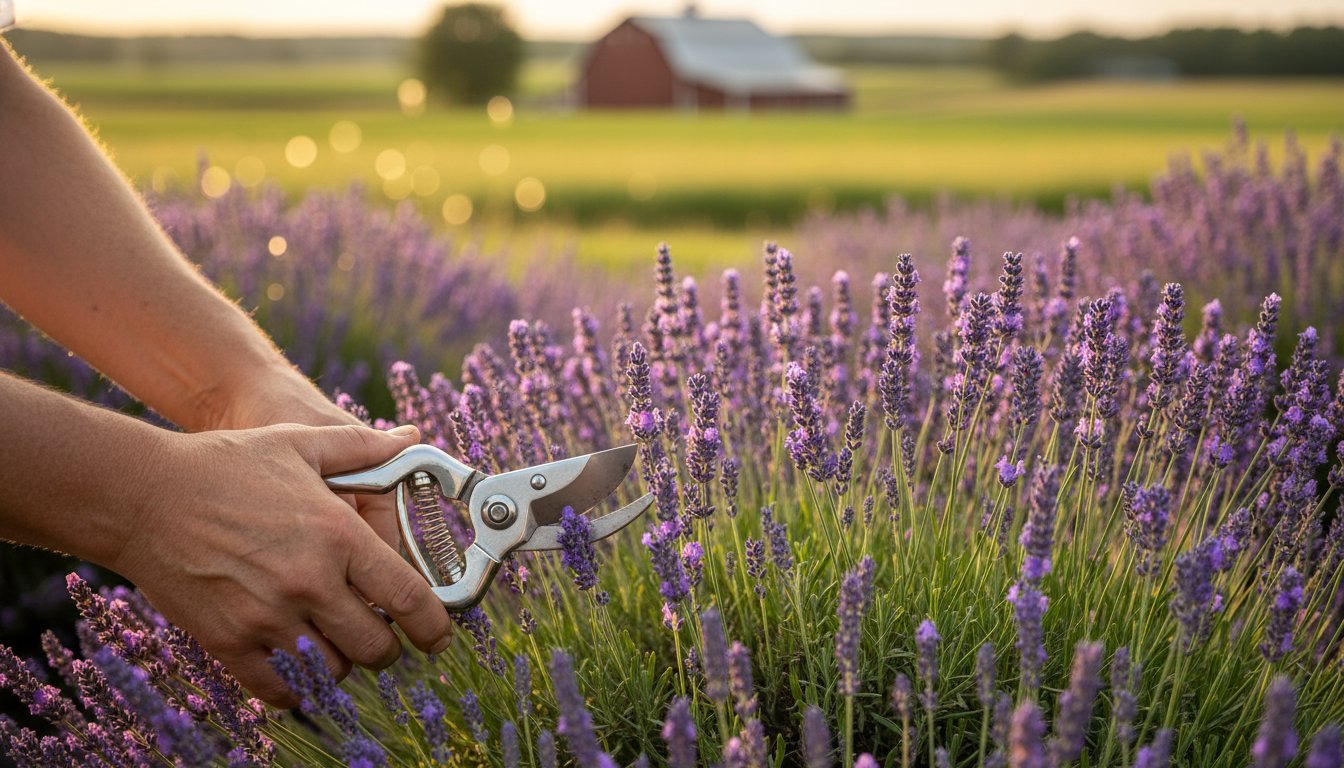
Cutting back your favorite plant by 30% feels like a betrayal of the love you've poured into its growth. Yet, research from the Michigan State University Extension shows that regular pruning is the most vital factor in preventing the "woody" decline that often kills plants after just 3 years. If you've ever felt a pang of worry while standing over your garden with shears, you aren't alone. Knowing exactly when to prune lavender is the secret to transforming a sprawling, leggy mess into a compact, silvery-green bush that provides a high-quality harvest for your tea or aromatherapy.
It's natural to feel protective of those fragrant purple spikes, especially when you're worried about cutting into old wood and accidentally harming the plant. We believe every garden should be a place of comfort and calm, not a source of stress. By mastering the art of timing and technique, you'll ensure your plants stay productive and beautiful for a lifespan that can reach 15 years with proper care. This guide explains the specific seasonal needs for different varieties and provides a simple roadmap for a thriving, fragrant garden.
Key Takeaways
- Understand how a nurturing trim rejuvenates your plant's natural essential oils and prevents the heavy, woody growth that can hinder its gentle vitality.
- Learn the precise seasonal rhythm for your garden’s unique variety and discover exactly when to prune lavender to ensure a healthy, fragrant bloom.
- Unlock the secrets to harvesting at peak potency, allowing you to capture the most soothing scents and flavors for your culinary and therapeutic creations.
- Master the "one-third rule" using gentle, mindful techniques that protect the plant's structure while encouraging a more lush and productive life.
- Transform your garden trimmings into heartfelt home comforts by learning the most effective ways to dry and preserve your lavender harvest.
The Importance of Pruning Lavender for Longevity and Bloom
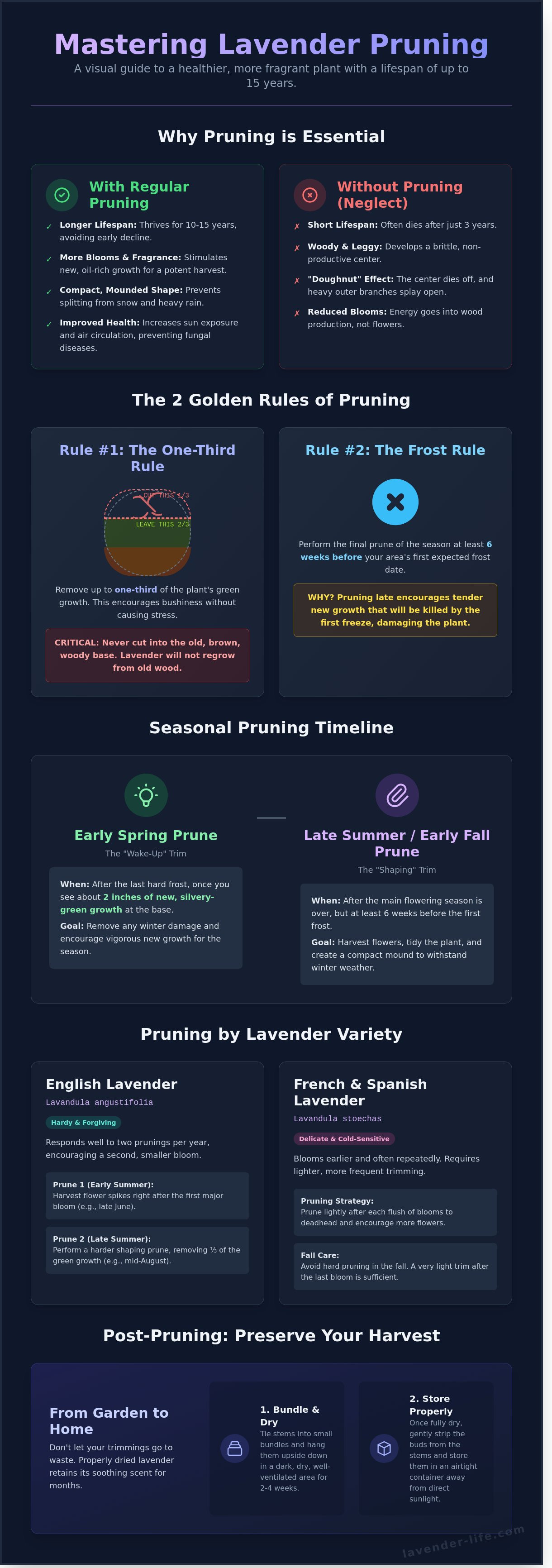
Lavender invites a sense of peace into any garden, yet this hardy perennial requires a gentle, firm hand to maintain its grace. Knowing when to prune lavender is the secret to a plant that remains lush rather than leggy. This ritual acts as a fountain of youth, stimulating the plant to produce fresh, green stems where those precious aromatic oils reside. Without this intervention, a lavender plant naturally focuses its energy on building a heavy, stiff skeleton, often at the expense of its soft, fragrant blooms. This botanical struggle between structure and growth is why consistent care is so vital for the plant's spirit.
The goal of your seasonal trimming is to create a soft, mounded shape. This rounded silhouette ensures every leaf catches the 6 to 8 hours of daily sunlight required for peak health and oil production. By keeping the plant compact, you prevent the weight of winter snow or heavy rains from splitting the delicate branches. A well-maintained lavender bush can thrive for 10 to 15 years, providing a decade of calm and comfort to your home and garden.
Understanding the Lavender Lifecycle
Lavender begins its journey as a tender seedling, eventually maturing into a semi-shrubby perennial. As it ages, the plant naturally develops a tough, inner core to support its height. Airflow is vital during this process; without proper spacing and pruning, moisture gets trapped, leading to root rot or fungal infections like Septoria leaf spot. Woody growth is the non-productive, brittle center of an aging plant.
The Consequences of Neglecting Your Garden Ritual
If you skip your pruning ritual for even a single year, the plant begins to splay outward. This creates a "doughnut" effect where the center remains bare while the heavy outer stems fall over under their own weight. Research from Oregon State University suggests that once a plant becomes excessively woody, it's very difficult to perform a "hard prune" without killing it. Most lavender varieties don't regrow from old wood, so cutting too deep into the brown stems often leads to permanent damage. Taking the time to understand when to prune lavender today ensures your garden stays filled with hope and scent for many summers to come.
Seasonal Timing: When to Prune Different Lavender Varieties
Knowing when to prune lavender begins with a gentle understanding of your plant's unique personality. Just like the children we support through our mission at Lavender Life, every plant thrives best with individual care and a nurturing hand. Most gardeners grow either English lavender (Lavandula angustifolia) or the more ruffled French and Spanish types (Stoechas). Each variety follows its own internal clock. In Michigan, our farm rhythms are dictated by the frost. We practice a "wake-up" prune in early spring, usually around late April, once we see 2 inches of new green growth. This is followed by a "sleep" prune in late summer to tuck the plants in for the winter. Timing is everything.
Your local climate plays a significant role in this schedule. If you live in a southern state where July temperatures regularly exceed 95 degrees, you might prune 14 days earlier than a gardener in a cooler zone. Regardless of your location, the golden rule is to never prune within 6 weeks of the first frost date. Cutting too late in the season encourages tender new growth that can't survive a freeze. This simple act of protection ensures your garden remains a place of hope and beauty through the coldest months.
Pruning English Lavender (Lavandula angustifolia)
English lavender is a hardy and forgiving companion in the garden. You'll want to time your first harvest right after the initial flush of purple flowers, which typically occurs in late June. Removing these stems encourages the plant to produce a smaller, second bloom in August. During this mid-August window, perform a second shaping prune. We recommend removing about 1/3 of the green growth to maintain a cozy, rounded shape. This prevents the plant from becoming woody or splitting under the weight of winter snow. Because English varieties are structurally strong, they respond well to this shaping, rewarding your effort with a tidy appearance that brings comfort and relief to any landscape.
Caring for French and Spanish Varieties
French and Spanish varieties are the delicate ornaments of the lavender family. These types are more sensitive to cold, particularly when temperatures dip below 15 degrees Fahrenheit. Instead of the deep cuts used for English varieties, these plants prefer a lighter touch. Focus on deadheading spent blooms throughout the summer months to keep the plant looking fresh and vibrant. This constant, gentle attention encourages continuous flowering without the stress of a heavy prune. If you must shape them, do so lightly in the spring. Never cut back into the old wood of these varieties, as they lack the regenerative strength of their English cousins. A soft, mindful approach keeps these beautiful plants happy and thriving.
Pruning for Purpose: Harvesting for Culinary and Therapeutic Use
Pruning your lavender isn't just about plant health; it's a gentle invitation to bring the farm’s peace into your home. When you understand when to prune lavender for harvest, you’re capturing the plant at its most generous moment. The science of essential oils tells us that linalool and camphor levels peak just as the buds begin to open. Research indicates that harvesting when approximately 30% of the flower spikes have bloomed ensures the highest concentration of these soothing compounds. If you wait until the plant is in full bloom, the delicate oils begin to dissipate. This results in a loss of that signature potency that brings comfort to your space.
Selecting Blooms for the Kitchen
Your kitchen becomes a sanctuary when filled with the scent of fresh herbs. For the sweetest flavor, gather your stems in the early morning, specifically after the dew has evaporated but before the midday sun reaches 80 degrees. This timing prevents the oils from becoming bitter or overly medicinal. You can use these fresh, vibrant cuts to brew a cup of lavender tea, which offers a science-backed path to calm. For a special morning treat, a handful of these sprigs can transform a simple lavender latte into a cozy cafe ritual. Choosing stems with tightly closed buds provides a more delicate, floral profile for your culinary creations.
Gathering Bundles for Aromatherapy
Creating home wellness rituals starts with the intentional cut of a long stem. When you prune for aromatherapy, you're encouraging the plant to channel its energy into the high-quality oils that define premium skincare. A well-timed harvest ensures your dried bundles retain their scent for up to 12 months. These bundles serve as the foundation for home-distilled oils and fragrant sachets. Consider these practical steps for your next gathering:
- Cut stems at least 10 inches long to make bundling and hanging easier for even drying.
- Harvest for oil potency when 50% of the flowers are open if you plan on home-distilling for maximum linalool content.
- Prune regularly to stimulate new growth, which keeps the plant's oil production youthful and vibrant rather than woody.
Knowing when to prune lavender allows you to transition from simple garden maintenance to a deeper connection with your environment. These harvested bundles become gifts of hope, such as sachets for a neighbor or a soothing oil for a friend. This process turns a routine task into a meaningful journey that extends the love grown in your garden far beyond the soil.
A Step-by-Step Guide to Pruning Lavender Without Damaging the Wood
Caring for your lavender is a quiet, meditative task that rewards you with years of fragrance and beauty. To begin, gather a pair of sharp bypass pruners. Dull blades crush the delicate stems, which invites disease and unwanted stress to the plant. Sanitize your tools with 70% isopropyl alcohol before you start to ensure a clean, healthy environment for your garden. Understanding when to prune lavender is a vital step, but your technique is what truly keeps the plant youthful and vibrant.
Follow the one-third rule faithfully. This means you should never remove more than 33% of the total green growth in a single session. Taking too much at once shocks the root system and can lead to a sparse, struggling plant the following season. Look closely at the stems to identify the "dead zone." This is the thick, brown wood at the base. You want to focus your cuts on the soft, green growth located roughly 2 to 3 inches above that woody base. This ensures the plant has enough energy to recover and bloom again.
The Anatomy of a Perfect Cut
Precision matters when you're tending to your garden. Place your blades just above a set of healthy leaf nodes to encourage new, bushy growth. Always angle your cuts at 45 degrees. This simple tilt prevents water from pooling on the flat surface of the stem; this reduces the risk of fungal rot by 15% in humid climates. You should never cut into the leafless, brown wood as it rarely regenerates and can permanently stunt the plant's shape.
Clearing the Center for Airflow
A healthy plant needs room to breathe, much like we do. Carefully remove any dead or crossing branches that clutter the middle of the plant. Thinning the inner canopy allows sunlight to reach the crown, which promotes even growth across the entire mound. We recommend the mound method, where you trim the plant into a soft, rounded dome. A curved top is better for snow and rain runoff, preventing heavy winter moisture from splitting the plant's center. This professional, farm-style aesthetic keeps your garden looking tidy and vibrant year-round. Knowing when to prune lavender helps you time these cuts perfectly for the best results.
Post-Pruning Care: Preserving Your Harvest for a Calmer Home
Once you've mastered the timing of when to prune lavender, you're left with a fragrant bounty that carries the essence of the summer sun. These trimmings shouldn't be discarded. Soft, flexible green stems are perfect for weaving into small wreaths or crowns. If you find yourself with tougher, woody branches from an older plant, add them to your compost pile. These carbon-rich pieces take about 120 to 180 days to fully break down, providing structure and aeration to your soil for the next planting cycle.
To dry your harvest properly, gather about 15 to 20 stems into a small bundle. Secure the base with a simple rubber band or a piece of twine. Hang these bundles upside down in a location that stays below 75 degrees Fahrenheit. It's vital to choose a spot that is dark and well-ventilated. Darkness prevents the sun from bleaching the vibrant purple color, while airflow ensures the moisture evaporates before mold can form. After 10 to 14 days, the buds will feel crisp to the touch.
Store your dried lavender in airtight glass jars to lock in the essential oils. When kept in a cool, dark cabinet, the buds will retain their comforting aroma for up to 12 months. This harvest represents more than just a garden chore; it's a way to weave a lifestyle of comfort and hope into the very fabric of your home. By preserving these stems, you're capturing a moment of tranquility to share with others throughout the year.
Creating a Soothing Home Environment
Bringing the farm's tranquility indoors offers immediate emotional benefits. A 2019 study published in a leading wellness journal indicated that inhaling lavender scent can reduce cortisol levels by 24 percent, providing genuine relief from daily stress. You can create simple DIY sachets by filling small cotton bags with your dried buds. Place them in dresser drawers or under your pillow for a restful night's sleep. This gentle care for your surroundings supports a larger mission of wellness. Every time you catch a scent of your garden, remember that your dedication to beauty and growth mirrors our commitment to nurturing children in need.
Preparing the Plant for the Next Season
Your garden needs a little extra love to settle in for the winter months. If your local temperatures regularly drop below 20 degrees Fahrenheit, provide your pruned plants with a protective base. Apply a 2-inch layer of pea gravel or wood chips around the root zone. Avoid using heavy organic mulches like straw, which can trap excess moisture and cause root rot during the spring thaw. You'll see the reward of your hard work when the first silver-green shoots appear once soil temperatures consistently reach 50 degrees Fahrenheit. Discover how we use farm-grown lavender in our bath and body collection to bring the same peace to your daily routine.
Cultivate a Season of Lasting Fragrance
Caring for lavender is a gentle rhythm that rewards you with years of peace. By understanding when to prune lavender, you ensure your plants remain vibrant for 10 to 15 years rather than becoming woody within 3 seasons. Trim the green stems twice annually; once in early spring and again after the summer harvest. Research shows that removing the top third of new growth encourages 2 times the blooms in the next cycle. This simple act of stewardship preserves the plant's health and provides bundles of soothing botanicals for your home.
At Lavender Life, we believe every harvest should spread healing. Our products are Made with Love in Michigan, using authentic farm-to-home care. Your support does more than bring tranquility to your doorstep. Every Xander Bunny purchase helps provide a comforting companion to 1 child in foster care. It's a beautiful way to share the peace you've grown with those who need it most. Bring the comfort of the farm home with our handcrafted lavender products and join our mission of hope. Your garden is a place of renewal, and we're honored to help you create a calmer, more purposeful life.
Frequently Asked Questions
Can I prune lavender in the fall if I missed the summer window?
You can prune your lavender in the fall if you missed the summer window, provided you do it at least 4 to 6 weeks before the first hard frost. This timing allows the plant to heal its cuts before the cold winter air arrives. At Lavender Life Farm, we recommend a light trim of the green stems to keep the plant cozy and tidy for its winter sleep.
What happens if I accidentally cut into the woody part of the plant?
Cutting into the old, grey wood of a lavender plant often prevents new growth from emerging because these older stems lack active buds. If you accidentally prune more than 2 inches into the woody base, the plant may struggle to recover. To keep your garden healthy, always leave about 1 to 2 inches of green, leafy growth above the wood to ensure the plant continues to thrive.
How do I know if my lavender is English, French, or Spanish?
You can identify your lavender variety by looking at the leaf shape and bloom time. English lavender has narrow, smooth green leaves and blooms once or twice between June and August. French lavender features serrated or "toothed" leaf edges, while Spanish lavender is recognized by its unique "rabbit ear" bracts that sit atop the flower head during its spring growth cycle in April or May.
Should I prune newly planted lavender in its first year?
You should prune newly planted lavender in its first year to encourage a strong, bushy foundation. Cutting back about 30 percent of the new growth in the first spring helps the plant focus its energy on building a robust root system. This small act of care ensures your young plant grows into a full, fragrant mound that will bring you joy for 10 to 15 years.
Is it possible to over-prune lavender and kill the plant?
It is possible to kill your lavender if you prune it too aggressively into the dead wood. Removing more than 50 percent of the total foliage at once can shock the plant and lead to its decline. Knowing when to prune lavender is essential because timing your cuts for the late summer allows the plant to recover and store energy for the following season.
How often should I sanitize my pruning shears during the process?
You should sanitize your pruning shears every time you move from one plant to another to prevent the spread of soil-borne pathogens. A simple solution of 70 percent isopropyl alcohol or a 10 percent bleach mixture works perfectly to keep your tools clean. This quick step protects your entire garden, ensuring each lavender bush stays as healthy and vibrant as the next.
Can I use the woody branches I prune off for anything useful?
You can use the woody branches you prune off as fragrant fire starters or as a natural mulch for your garden beds. These dried stems still hold a faint, comforting scent and can provide a 1 inch layer of protection for smaller plants. Many gardeners also use these sturdy trimmings to create rustic wattle edging for their herb gardens, giving the wood a second life.
Why is my lavender plant splitting in the middle after pruning?
Lavender plants often split in the middle when they become too heavy and woody due to a lack of annual pruning. If you haven't trimmed the plant for 3 or 4 years, the center becomes brittle and sags under its own weight or under 2 inches of winter snow. Understanding when to prune lavender helps you maintain a tight, mounded shape that supports itself through every season.